
New Jersey’s New Invasive Threat: Meet the ‘Crazy Snake Worms’ Ruining Local Soil
the staff of the Ridgewood blog
Ridgewood , NJ — Just when homeowners thought they could breathe a sigh of relief after battling spotted lanternflies, New Jersey has a terrifying new invasive species taking over backyards. Unlike your average garden pest, this one moves like a snake, thrashes violently when disturbed, and can actually launch itself off the ground.
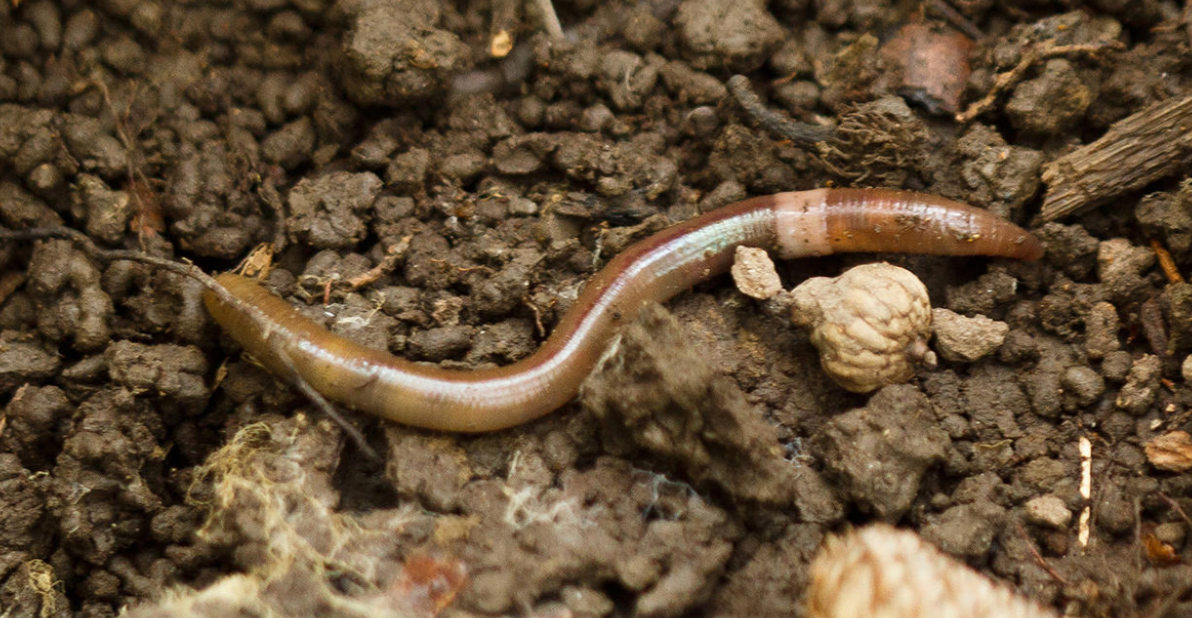
Meet the jumping worm.
Also known colloquially as “Jersey wrigglers,” “Alabama jumpers,” or “crazy snake worms,” these aggressive, invasive creatures have already been confirmed in at least 12 New Jersey counties—including Bergen, Essex, Monmouth, Morris, Ocean, and Union. New Jersey is just one of 38 states currently battling confirmed sightings as the species spreads rapidly across the country.
Why Jumping Worms Pose a Massive Threat to Your Garden
While they might sound like a simple nuisance, jumping worms pose a severe ecological threat to residential lawns, local agriculture, and natural forests.
Unlike beneficial earthworms that aerate deep soil, jumping worms feed aggressively on the top layer of leaf litter. This organic layer forms the absolute foundation of healthy forest soil and provides critical nutrients for plant growth.
According to impact data highlighted by the Forest Service, these pests can actually reengineer entire ecosystems. By rapidly stripping the soil of its organic matter, they leave behind a coarse, dry, coffee-ground-like texture that triggers severe lawn die-offs and prevents new plants from taking root.
How to Spot Jumping Worms vs. Regular Earthworms
Identifying these pests early is key to protecting your property. Jumping worms look and behave very differently from common, beneficial earthworms:
-
Coloration: They have a sleek, grayish-brown body rather than a typical pink or red hue.
-
The Clitellum (Band): Look for a distinctive, smooth, milky-whitish band that completely encircles the body near their head. On normal earthworms, this band is raised and pinkish-red.
-
Behavior: Their tails do not flatten as they move. True to their name, they will thrash violently, slither like a snake, or jump when touched.
The Bottom Line: Imagine a common earthworm, but faster, more aggressive, and significantly more destructive.
What to Do: Control and Prevention Strategies
Currently, there are no approved chemical pesticides on the market specifically designed for jumping worm control. Because eradication is incredibly difficult once they establish a colony, expert agricultural extensions recommend a strict focus on prevention and manual removal:
-
Inspect Potted Plants: Carefully check any new plants before bringing them home from nurseries. Wash soil from the roots if you suspect contamination.
-
Solarize Bulk Mulch: Before spreading bulk mulch or soil in your yard, cover it securely with black plastic sheeting in direct sunlight. The trapped heat will kill hidden worms and microscopic cocoons.
-
Quarantine Infested Zones: Avoid moving leaves, compost, or soil out of areas where jumping worms have been spotted.
-
Maintain Your Lawn: Keep your grass mown short. Shorter turf creates a drier environment, acting as a natural barrier to slow down their spread across your property.
-
The “Bag and Freeze” Method: If you catch any jumping worms, seal them immediately in a clear plastic bag, place them in a freezer to euthanize them humanely, and dispose of the bag in your regular household trash.
New Jersey’s list of unwanted environmental guests continues to grow—and this jumping threat might already be hiding in your backyard.
Tell your story #TheRidgewoodblog , #Indpendentnews, #information, #advertise, #guestpost, #affiliatemarketing,#NorthJersey, #NJ , #News, #localnews, #bergencounty, #sponsoredpost, #SponsoredContent, #contentplacement , #linkplacement, Email: [email protected]
-
Tags:
#InvasiveSpecies#JumpingWorms#NewJersey#GardenTips#SoilHealth#PestControl#BergenCounty#LocalEcology





