
New Jersey’s “Forever Chemical” Cleanup: State Launches Massive PFAS Foam Disposal Program
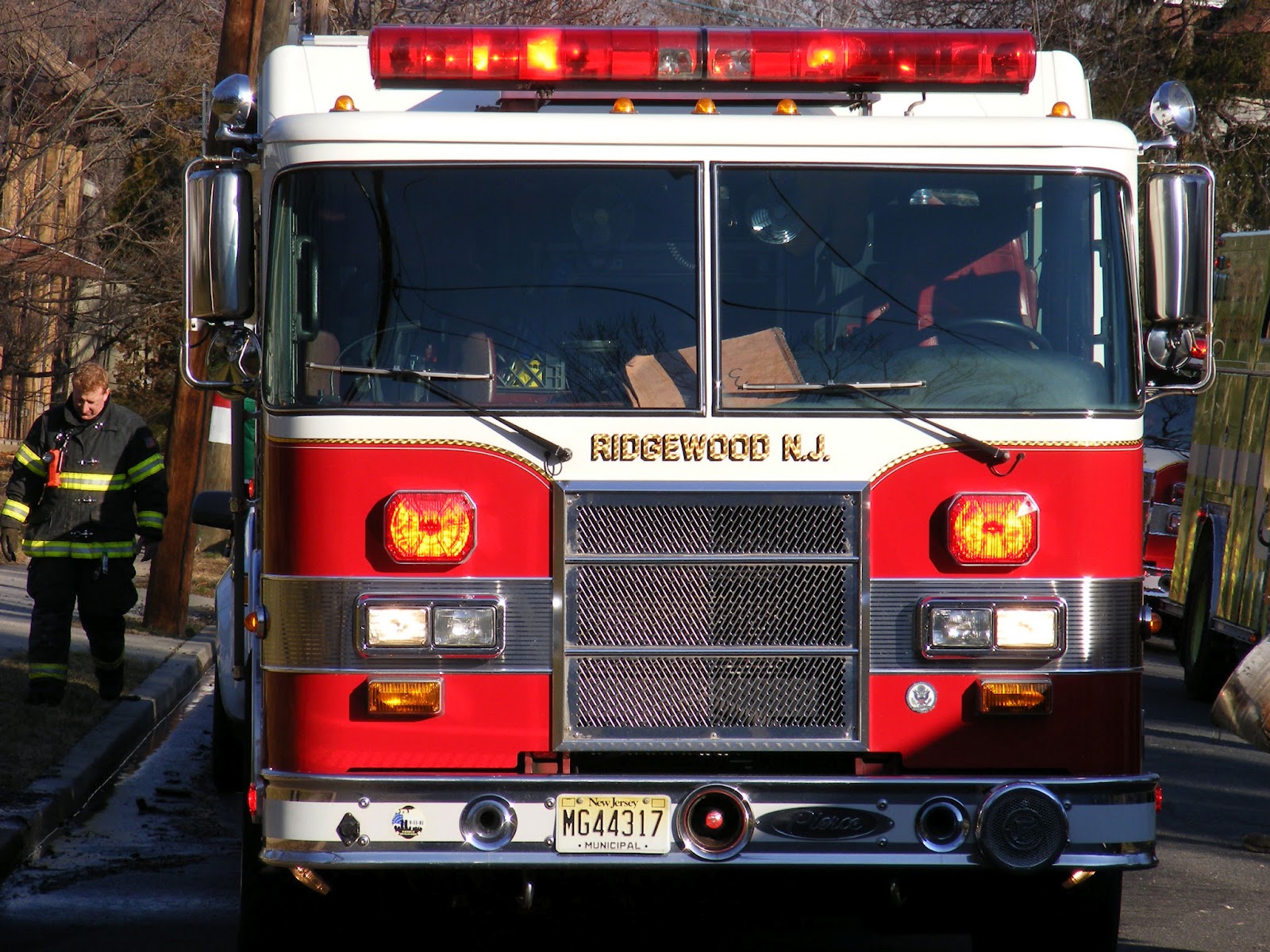
file photo by Boyd Loving
the staff of the Ridgewood blog
TRENTON, NJ — In a historic move to protect both first responders and the state’s drinking water, the Sherrill Administration has launched one of the nation’s largest coordinated efforts to eliminate toxic PFAS-containing firefighting foams.
The initiative, led by the Department of Environmental Protection (DEP) and the Department of Community Affairs (DCA), is currently collecting and destroying approximately 150,000 gallons of high-hazard foam from over 400 fire departments across New Jersey—all at no cost to local taxpayers.
Protecting the Front Lines: Ending the Cancer Threat
For decades, firefighters have used Aqueous Film-Forming Foam (AFFF) to suppress high-intensity fuel fires. However, these foams are loaded with PFAS (per- and polyfluoroalkyl substances), synthetic “forever chemicals” linked to cancer, immune system damage, and long-term environmental contamination.
“Cancer is the number one killer in the fire service,” said Eddie Donnelly, President of the NJ State Firefighters Mutual Benevolent Association. “This remediation will protect our firefighters and HAZMAT technicians from continued risks.”
The “Supercritical” Solution: How NJ is Destroying PFAS
New Jersey isn’t just moving the waste; they are obliterating it. Through a $16.6 million state appropriation, the DEP has contracted with Revive Environmental to handle the disposal.
Unlike older methods that might leak chemicals into the air or soil, this program uses Supercritical Water Oxidation (SCWO). The foam is transported to a specialized facility in Ohio where high temperature and pressure break the chemical bonds of PFAS, converting them into harmless minerals and water that meets drinking-quality standards.
Important Deadlines for NJ Fire Departments
State law, authored by Senator Troy Singleton, has set a clear timeline for the transition to safer, fluorine-free alternatives:
-
Collection Sites: Two regional hubs (including a primary site in Hunterdon County) are currently processing pre-registered drop-offs.
-
The Ban: All New Jersey fire departments must cease the use and storage of PFAS-containing foams by January 1, 2027.
-
Transition: Modern, PFAS-free foams are now available and suitable for most municipal firefighting needs.
Why This Matters for Your Drinking Water
When AFFF is used in training or emergencies, it seeps into the ground, eventually reaching aquifers and reservoirs. By removing 150,000 gallons of this “concentrated threat” from circulation, the state is preventing millions of dollars in future water filtration costs.
“We are keeping them out of the environment and avoiding the extremely high cost of cleanup down the road,” noted DEP Acting Commissioner Ed Potosnak.
🛡️ Stay Informed: PFAS Safety & NJ Policy
-
Google Discover Headline Ideas: * New Jersey vs. Forever Chemicals: The Massive $16M Plan to Save Our Water
-
NJ Firefighters Trade Toxic Foam for Safety in Historic Statewide Cleanup
-
Is Your Town Safe? NJ Begins Destroying 150,000 Gallons of PFAS Firefoam
-
-
Keywords: New Jersey PFAS disposal, AFFF firefighting foam ban, Governor Sherrill environmental policy, Revive Environmental SCWO, NJ DEP PFAS collection, forever chemicals NJ water.
-
Tags: #NJNews #PFAS #FirefighterSafety #CleanWater #Environment #PublicHealth #NewJersey #SherrillAdministration






The whole process of disposal is a complete disaster and poorly planned – don’t believe that for a second that the Trenton tree hugging democrats actually thought this through
The whole process of disposal is a complete disaster and poorly planned – don’t believe that for a second that the Trenton tree hugging democrats actually thought this through. Oh btw the new foams aren’t actually effective