Posted on 63 Comments

WETLANDS COVER-UP? Explosive New Documents Suggest Ridgewood Officials KNEW About Schedler Wetlands Amid Public Denials

imagejpeg 3

BOMBSHELL EVIDENCE: Official Emails Prove Ridgewood Officials KNEW About Wetlands on Schedler Site Despite Public Denial

the staff of the Ridewood blog

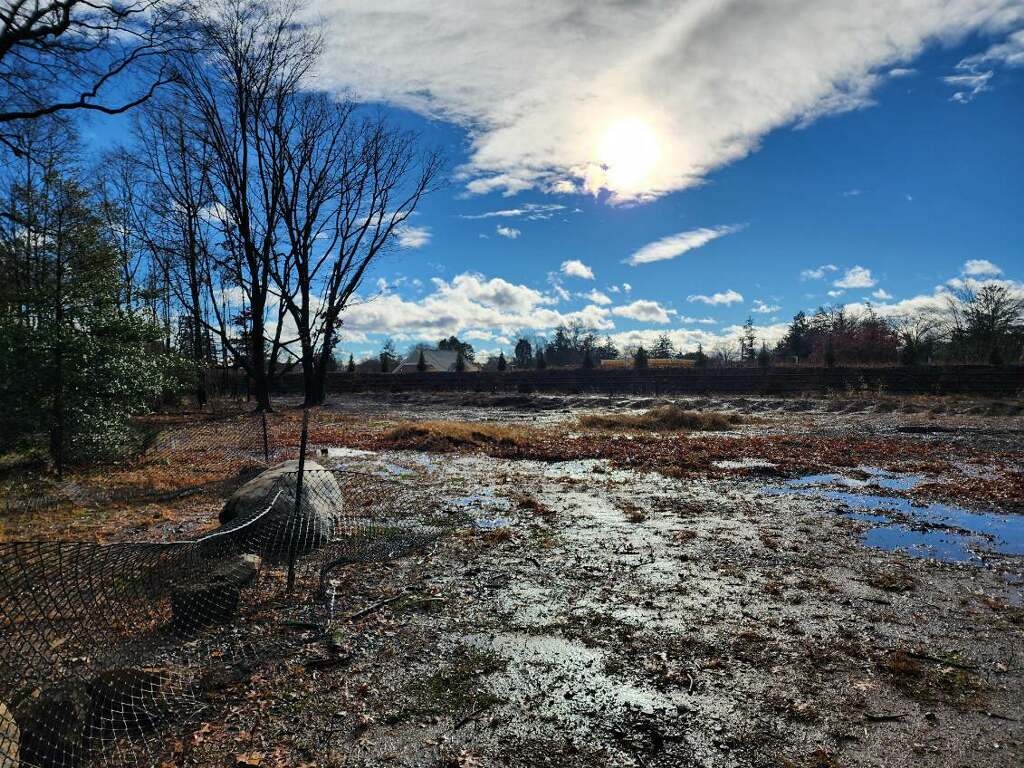
Ridgewood NJ, Ridgewood’s long-running saga over the Zabriskie-Schedler property has taken a dramatic turn. New details from official records, including explicit communications between the New Jersey Department of Environmental Protection (NJDEP) and the Village’s engineering firm, strongly suggest that wetlands were confirmed on the site months before Village officials publicly minimized or denied their existence.

The core issue: Was the public deliberately misled about a crucial environmental factor while the Village Council signed off on contracts that explicitly referenced the wetlands?
Continue reading WETLANDS COVER-UP? Explosive New Documents Suggest Ridgewood Officials KNEW About Schedler Wetlands Amid Public Denials

Posted on 16 Comments

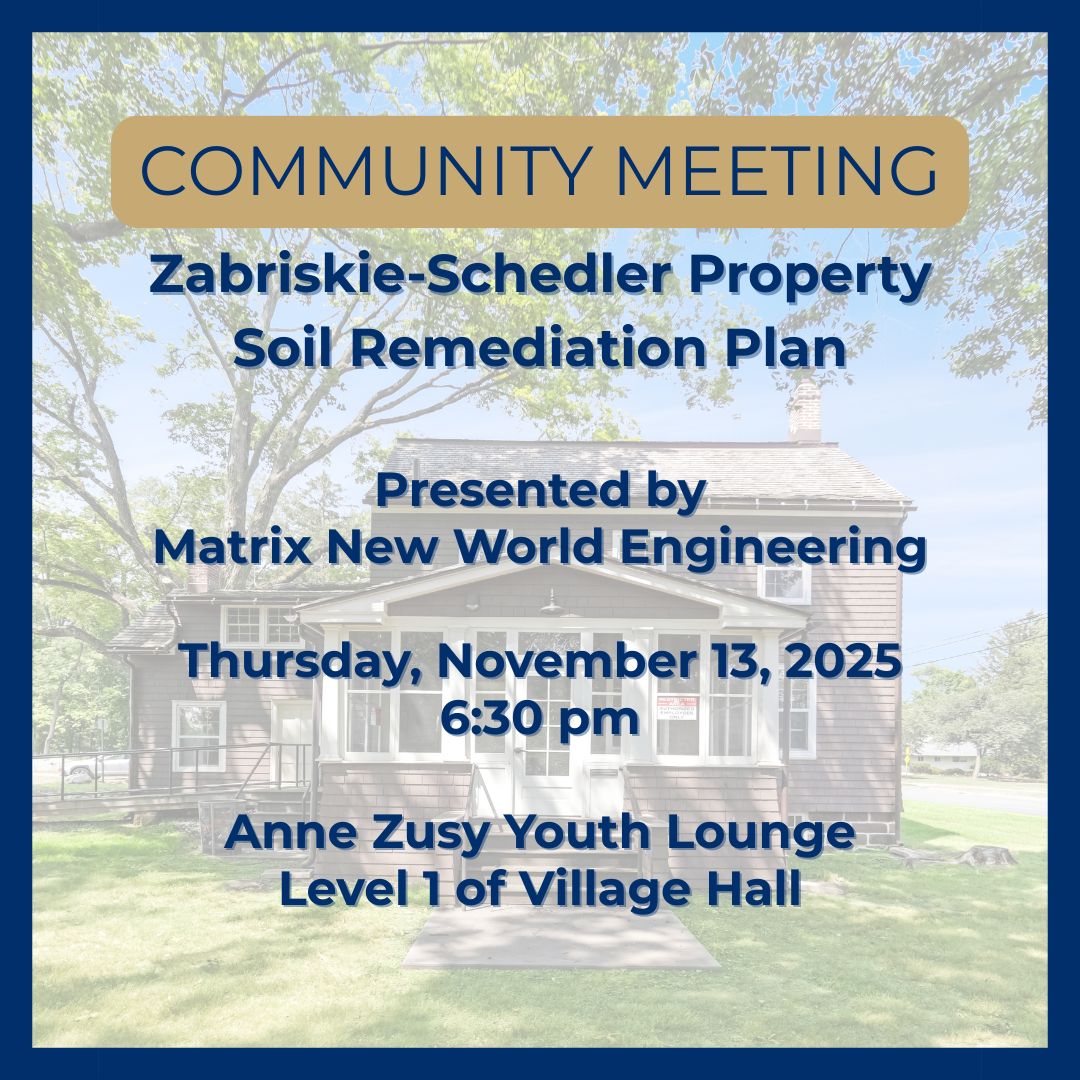
Zabriskie-Schedler Soil Remediation Plan Unveiled Next Week

Schedler Community Meeting

Ridgewood Community Meeting Set for NJDEP-Submitted Cleanup Plan Details

the staff of the Ridgewood blog

Ridgewood NJ, Ridgewood residents, mark your calendars! The highly anticipated soil remediation plan for the controversial Zabriskie-Schedler property is officially finalized and ready for public review.

Matrix New World Engineering, the firm tasked with the cleanup, has completed its detailed plan and submitted it to the New Jersey Department of Environmental Protection (NJDEP). Now, the community gets its chance to see exactly how this critical piece of Ridgewood land will be made safe.

Continue reading Zabriskie-Schedler Soil Remediation Plan Unveiled Next Week

Posted on 12 Comments

Understanding Fill Material: NJ Guidelines and Best Practices

61874065 1051018805094785 5777901816909922304 n

What is Fill Material?

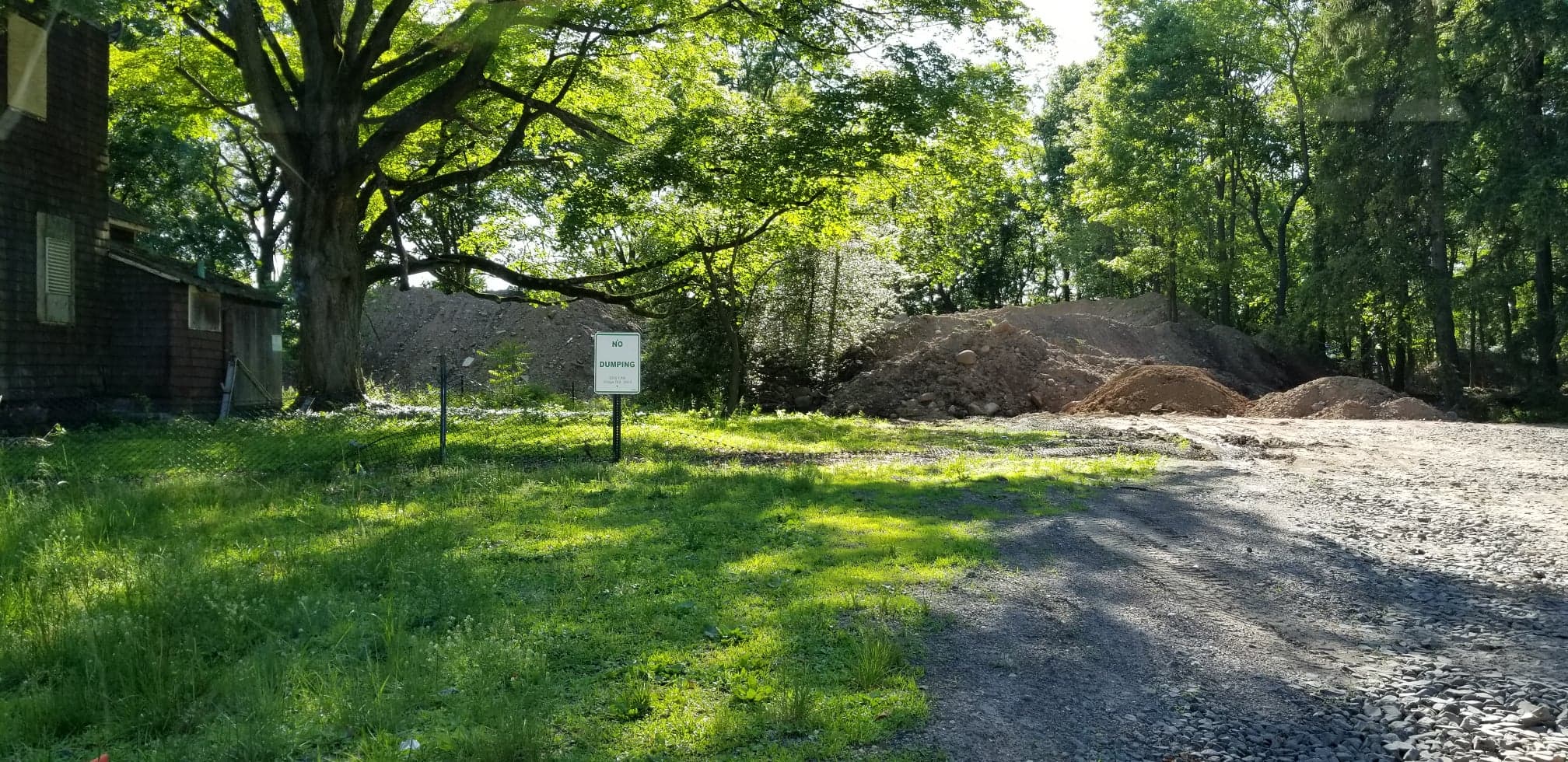
Ridgewood NJ, in general, “fill” refers to the material placed on land to fill low areas, modify contours, stabilize existing grades, or raise the grade of a location. Typically, fill includes soils, sands, and clays. However, it can also contain non-water-soluble, non-decomposable, inert solids such as rock, gravel, brick, block, concrete, glass, and ceramic products, provided they do not qualify as solid waste according to the Solid Waste Rules at N.J.A.C. 7:26-1.6(a)6. For our purposes, the terms “soil” and “fill” are interchangeable.

Continue reading Understanding Fill Material: NJ Guidelines and Best Practices