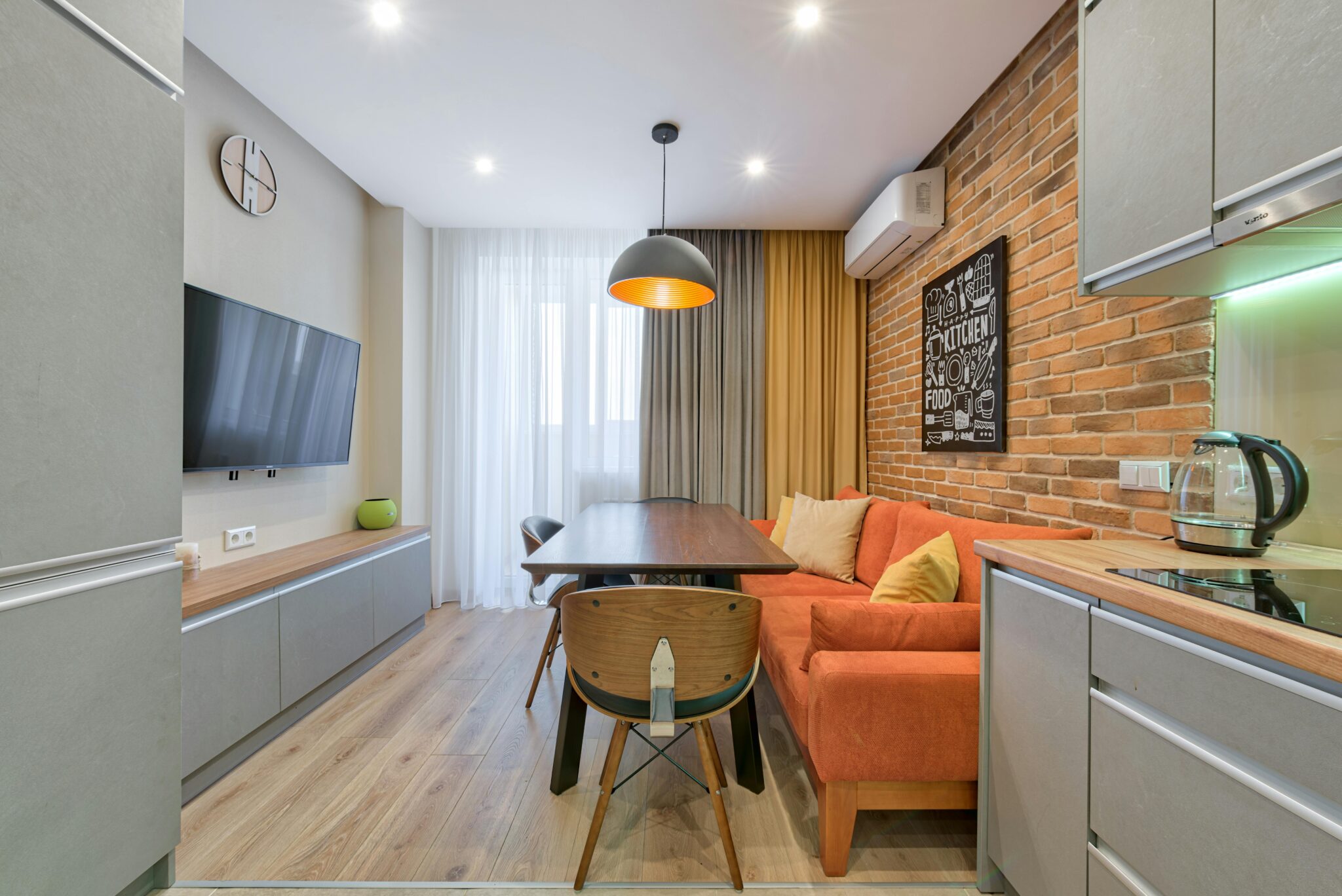
Living in a small apartment can feel limiting at first. Storage runs out fast. Furniture crowds the room. Every purchase starts to feel risky because there is no space to waste. Yet small apartments also offer a unique chance to design with intention. Each choice matters more, and every square inch can serve a purpose when planned well.
Smart design does not require expensive renovations or dramatic changes. It relies on practical ideas, flexible furniture, and thoughtful layouts that support daily life. When space works harder, a small home can feel organized, comfortable, and surprisingly open.
This article will guide you through clever, realistic ways to maximize every inch of a small apartment and turn limited space into lasting potential.
Choose Multipurpose Furniture That Works Overtime
Furniture that serves more than one purpose plays a major role in small apartment living. When a single piece can handle multiple needs, it reduces clutter and frees up valuable floor space. Items like storage ottomans, nesting tables, and beds with built-in drawers help keep belongings organized without adding extra furniture.
A futon stands out as one of the most flexible options for small apartments. It functions as a sofa during the day and easily converts into a bed when needed. This makes it ideal for studio apartments, guest areas, or living rooms that occasionally double as sleeping spaces.
You can easily find space saving futons for small apartments online. You can compare sizes, folding mechanisms, and materials without visiting multiple locations. This helps ensure the futon fits both your space and your daily needs while keeping the apartment adaptable.
Use Vertical Space to Free the Floor
When floor space feels limited, vertical space becomes extremely valuable. Walls offer storage opportunities that do not interfere with movement. Installing shelves higher up can store books, décor, or everyday items while keeping floors clear and open.
Wall-mounted hooks work well for coats, bags, and accessories, especially near entryways. Tall shelving units make better use of height than wide furniture, which often consumes too much floor area. Using vertical space shifts the focus upward, helping rooms feel taller and less crowded while maintaining easy access to essentials.
Create Zones Without Adding Walls
Small apartments benefit from clearly defined zones, even when walls are not an option. Creating visual separation helps the space feel organized. Rugs can define a living area, while lighting can distinguish a workspace from a sleeping area.
Furniture placement also plays a key role. A sofa facing away from a bed or desk naturally divides the space without blocking light or airflow. Open shelving or lightweight screens can provide separation while keeping the apartment open. These subtle boundaries help different areas function independently without making the apartment feel closed in.
Maximize Storage in Hidden Spots
Hidden storage helps keep a small apartment tidy without adding visible clutter. Spaces under beds, sofas, and tables often go unused but can hold bins, baskets, or low-profile containers. These areas work well for items that are not needed every day.
Inside cabinets and drawers, organizers prevent wasted space and make items easier to find. Seasonal clothing, extra linens, and rarely used items should stay out of sight to keep living areas clean and functional. When storage remains discreet, the apartment feels calmer and more spacious.
Let Light and Color Open the Room
Light and color have a strong effect on how a small apartment feels. Natural light helps spaces appear larger, so it makes sense to keep windows as open as possible. Heavy curtains can block light and make rooms feel closed in. Lighter window coverings or simple blinds allow sunlight to move freely throughout the space.
Color choices also influence how open a room feels. Lighter shades on walls and ceilings reflect light instead of absorbing it. This creates a brighter environment that feels less confined. Keeping a consistent color palette across rooms helps reduce visual breaks, which can make the apartment feel more cohesive and easier to navigate.
Opt for Slim and Scaled Furniture
Furniture that fits the scale of the apartment makes a noticeable difference. Oversized pieces can quickly dominate a room and limit movement. Slim furniture with clean lines leaves more visible space, which helps the apartment feel balanced and functional.
Choosing furniture with narrow arms, open legs, or compact frames keeps rooms from feeling heavy. A small dining table, a narrow console, or a streamlined desk can provide full function without overwhelming the layout. When furniture feels proportional to the room, the apartment becomes easier to live in and more comfortable to move through.
Keep Décor Intentional and Limited
Decorating a small apartment works best when every item has a purpose. Too many decorative pieces can make the space feel cluttered, even when each item looks nice on its own. Choosing a few meaningful items helps the apartment feel personal without becoming crowded.
Wall art, plants, and decorative storage can add character while supporting function. Leaving some surfaces clear also matters. Open space allows the eye to rest and helps the apartment feel calmer. Intentional décor choices create a sense of balance and prevent the space from feeling visually overwhelming.
Make the Kitchen and Bathroom Work Smarter
Kitchens and bathrooms often feel the tightest in small apartments, yet they handle daily routines. Smart organization can improve how these spaces function without requiring major changes. Inside cabinets, organizers, and stackable containers help make use of vertical space.
Over-the-door racks, drawer dividers, and wall-mounted holders keep essential items accessible while freeing up counters. In bathrooms, shelves above the toilet or inside the shower area can add storage without taking up floor space.
Revisit and Adjust as Your Needs Change
Small apartment living works best when flexibility stays part of the plan. Needs change over time, and a layout that works today may feel less effective later. Rearranging furniture or replacing underused items can refresh the space without major effort.
Regularly reassessing how the apartment functions helps prevent clutter from returning. Letting go of items that no longer serve a purpose creates room for better solutions. Treating the space as adaptable rather than fixed allows it to grow with your lifestyle.
A small apartment encourages thoughtful living. It pushes you to make choices that support comfort, movement, and clarity. When light, furniture, décor, and organization work together, the space begins to feel welcoming rather than restrictive. This approach invites creativity and awareness into everyday routines, turning the apartment into a place that reflects how you live now while remaining ready for what comes next.