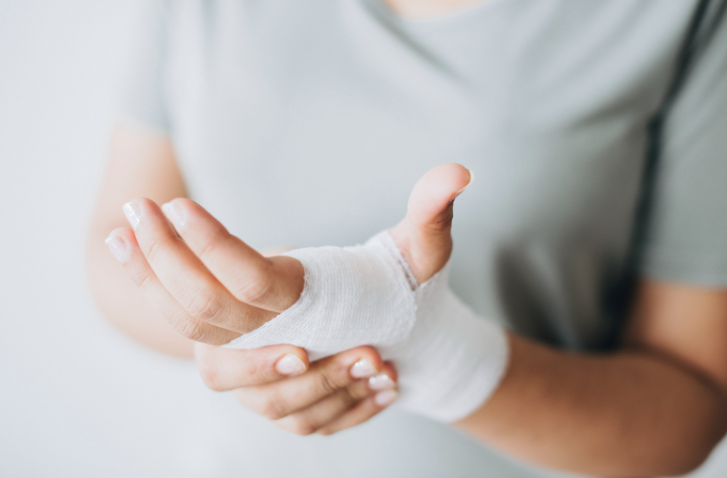
Pittsburgh is known for its hardworking people, historic charm, and bustling neighborhoods that range from the South Side to Shadyside. With its busy roads, construction zones, and industrial activity, accidents can happen when you least expect them.
Whether it’s a car crash on the Parkway, a slip-and-fall at a local store, or an accident on the job, knowing what to do in the aftermath is critical. That’s where guidance from Pittsburgh personal injury attorneys makes all the difference—helping you protect your rights, strengthen your claim, and secure the compensation you deserve.
After a personal injury, it’s natural to feel overwhelmed. Pain, confusion, and stress can make it difficult to think clearly. However, the steps you take immediately after the incident can have a major impact on your ability to recover—both physically and financially. Here’s what you should do right away.
- Seek Medical Attention Immediately
Your health should always be your top priority. Even if you believe your injuries are minor, get a full medical evaluation as soon as possible. Some injuries, such as concussions or internal bleeding, may not show symptoms right away. Prompt treatment not only protects your health but also creates a record of your injuries, which can be vital evidence later on. Always follow your doctor’s treatment plan and attend all follow-up appointments.
- Report the Incident
Depending on where and how your injury occurred, you’ll need to notify the appropriate parties. For car accidents, contact the police so they can create an official accident report. If you were injured at work, inform your employer immediately to start a workers’ compensation claim. For slip-and-fall or other property-related incidents, report it to the property owner or manager. These reports serve as documentation that the incident occurred and can strengthen your claim later.
- Collect and Preserve Evidence
Evidence can make or break a personal injury case. If possible, take photographs or videos of the accident scene, your injuries, damaged property, and anything else relevant—such as poor lighting, wet floors, or vehicle positions. Gather names and contact information of any witnesses, and keep copies of all medical bills, prescriptions, and receipts. This documentation helps prove both liability and the extent of your damages.
- Avoid Admitting Fault or Discussing the Incident
In the aftermath of an accident, emotions can run high. However, it’s crucial not to admit fault or make speculative statements about what happened. Even a simple apology can be used against you later by insurance companies or opposing attorneys. Avoid posting details about the accident on social media as well—anything you share could be misinterpreted and used to weaken your claim.
- Notify Your Insurance Company
If your injury involves a car crash or other insured event, inform your insurance provider as soon as possible. Be factual when describing what happened but avoid giving recorded statements or accepting quick settlement offers before consulting with an attorney. Insurance companies often try to minimize payouts, and speaking with them without legal representation can hurt your chances of fair compensation.
- Contact a Personal Injury Attorney
Once you’ve received medical care and gathered the basics of your case, it’s time to consult a legal professional. A skilled personal injury attorney can evaluate your case, explain your rights, and handle all communication with insurance companies on your behalf.
They’ll gather additional evidence, negotiate aggressively for fair compensation, and—if necessary—take your case to court. Having an experienced attorney ensures you’re not taken advantage of during the claims process.
- Keep Records and Stay Organized
Personal injury cases can take time, so it’s important to keep all records related to your accident in one place. Maintain copies of medical bills, correspondence with insurance companies, photos, and notes from your attorney. Staying organized helps your legal team build a stronger, more efficient case.
Key Takeaways:
- Seek immediate medical attention, even if injuries seem minor.
- Report the incident to the proper authorities or parties right away.
- Gather and preserve all evidence, including photos and witness information.
- Avoid admitting fault or discussing the case publicly.
- Notify your insurance provider, but don’t accept early settlements.
- Consult a personal injury attorney to protect your rights and handle negotiations.
- Keep detailed records to support your claim throughout the legal process.