
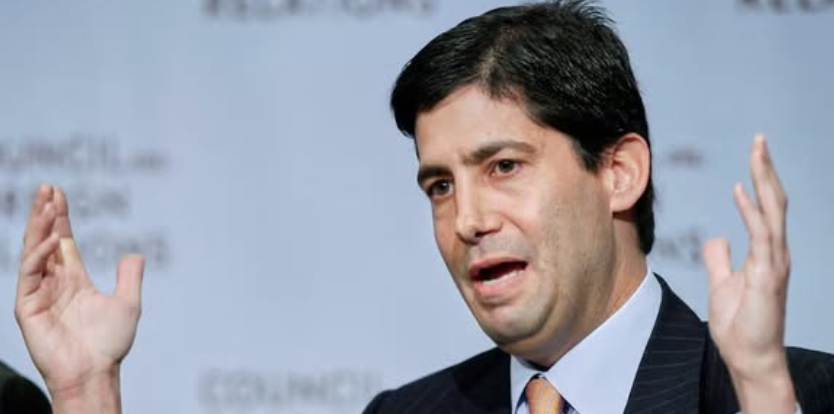
New Era for the Economy: Kevin Warsh Confirmed as Fed Chair Amid Global Volatility
the staff of the Ridgewood blog
Washington DC, In a move that signals a massive shift in American monetary policy, the Senate officially cleared Kevin Warsh on Wednesday to lead the Federal Reserve. Confirmed with a 54–45 vote, Warsh steps into one of the world’s most powerful economic positions at a time of unprecedented global and domestic pressure.
As the Federal Reserve transitions from the era of Jerome Powell to the Trump-appointed Warsh, the financial world is bracing for a “return to basics.”
Who is Kevin Warsh? The Man Behind the Money
At 54, Kevin Warsh is no stranger to the Fed. He famously served as the youngest-ever member of the Board of Governors at age 35 in 2006. Now returning as Chair, the former Morgan Stanley banker is tasked with navigating a complex economic landscape defined by:
-
Persistent Inflation: Staying “in its lane” to stabilize prices.
-
Geopolitical Fallout: Managing the economic ripples from the ongoing war in Iran.
-
Institutional Change: A vow to move the Fed away from social policy and back to core monetary stability.
The “Powell Factor”: A Boardroom Divided?
In a surprising twist, outgoing Chair Jerome Powell is not leaving the building. While Warsh takes the gavel this Friday, Powell intends to remain on the Board of Governors through 2028.
Powell stated he will stay to oversee the conclusion of investigations regarding renovations at the Fed’s headquarters, a move that keeps a veteran “crisis-tested” voice at the table—and potentially sets the stage for policy friction within the central bank.
“There is only ever one chair of the Federal Reserve Board,” Powell told reporters. “When Kevin Warsh is confirmed and sworn in, he will be that chair.”
How the Warsh Chairmanship Affects You
The Fed’s decisions aren’t just for Wall Street; they impact every American’s bank account. Under Warsh, we may see a shift in:
-
Borrowing Costs: Warsh has signaled a break from “status quo” inertia, which could lead to more aggressive or unpredictable adjustments to interest rates.
-
Digital Currency: Warsh has explicitly labeled a government-issued digital currency a “bad policy choice,” signaling a likely halt to “FedCoin” initiatives.
-
Independence vs. Coordination: While pledging independence, Warsh has shown openness to coordinating with the White House and Congress on non-monetary matters—a departure from the traditional “siloed” approach of the Fed.
The Political Landscape
The confirmation was largely a party-line affair, though Pennsylvania Democrat Sen. John Fetterman notably crossed over to support Warsh. The timing is critical, as the U.S. heads toward high-stakes midterm elections this November with the economy as a top-tier voter issue.
FAQ: The New Federal Reserve Leadership
When does Kevin Warsh become Fed Chair? Kevin Warsh is set to be sworn in and take the reins from Jerome Powell on Friday, May 15, 2026.
Will Jerome Powell leave the Federal Reserve? No. While Powell is stepping down as Chair, he will remain a member of the Board of Governors, intending to serve until at least 2028 or until internal investigations are resolved.
What is Kevin Warsh’s stance on interest rates? Warsh has criticized the Fed for “inertia” and being too complacent. He has pledged a “strictly independent” policy but is expected to favor a more streamlined, “back-to-basics” approach to the economy.
Take the Wall Street Walking Tour https://www.facebook.com/unofficialwallstreet #WallStreetTours,#FinancialDistrictExploration, #ExploreWallStreet, #FinancialHistoryTour, #StockMarketExperience, #FinancialDistrictDiscovery, #NYCFinanceTour,#WallStreetAdventure
- Tags: #KevinWarsh #FederalReserve #TrumpEconomy #InterestRates #Inflation #FinanceNews #JeromePowell #SenateConfirmation






Excellent choice.
Democrats again are the party of NO.
Kevin Warsh has done plenty of in depth interviews.
Do yourself a favor and listen to one of them.