
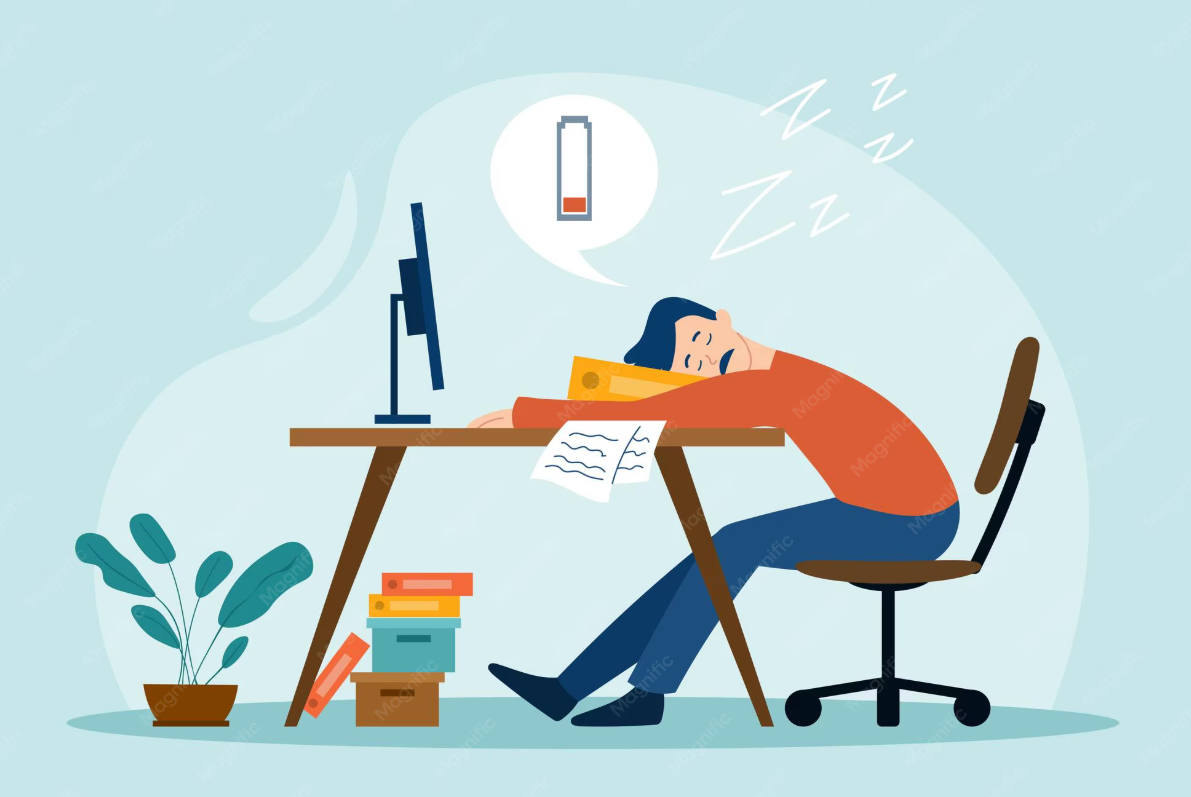
The promise of the work-from-home revolution was rooted in balance. We envisioned mornings without stressful highway traffic, more time spent with family, and a healthier lifestyle cultivated from the comfort of our own homes. Yet, several years into the widespread adoption of remote work, a contrasting reality has emerged. Instead of feeling liberated, millions of remote professionals are experiencing a profound, chronic level of exhaustion.
When remote workers experience burnout, they often point their fingers at heavy workloads, demanding clients, or relentless back-to-back video calls. While those factors certainly play a role, expert workspace psychologists point to a much closer, deeply ingrained culprit: a toxic behavioral habit built directly into the setup of our home environments. The single most dangerous home office habit causing burnout is the failure to physically and visually close the door on the workday.
When your living space and your corporate space exist under the same roof without absolute boundaries, a psychological phenomenon known as “role blurring” occurs. This habit of leaving your workspace constantly visible and accessible turns your sanctuary into a perpetual source of stress. Breaking this cycle requires a deliberate shift in how we manage our physical space.
1. Leaving the Digital Workspace on Display
The most common manifestation of this burnout habit is leaving your laptop open on the dining room table or keeping your desk monitors glowing in the corner of your bedroom all evening. Even if you are not actively typing or answering emails, simply catching a glimpse of your workspace while trying to relax sends a subliminal message to your brain.
Every time your eyes wander to your open laptop, your nervous system triggers a micro-dose of stress hormones, reminding you of pending deadlines, unread messages, and tomorrow’s to-do list. Your brain stays trapped in a low-grade state of professional alertness, making it completely impossible to enter a state of deep, restorative cognitive recovery.
2. Neglecting Physical and Spatial Separation
If you do not have the luxury of a spare room with a traditional door to close at 5:00 PM, you are highly susceptible to spatial burnout. When your office equipment permanently overflows into your relaxation zones, your home loses its identity as a safe haven. To fix this, successful remote workers are rethinking their room layouts and turning to flexible, space-saving design solutions.
For those operating out of a multi-functional guest room or a tight apartment, incorporating an adaptable wall bed and desk combination is a psychological game-changer. This innovative setup allows you to enjoy a large, dedicated workstation during business hours. When the workday ends, the office components can be seamlessly folded away or converted, completely hiding the tools of your trade from sight. By physically removing the visual cues of your job, you signal to your brain that it is safe to downshift into relaxation mode.
3. Treating the Bed as a Substitute Desk
When comfort is just a few steps away, it is incredibly easy to slide into the toxic habit of working directly from your bed or your living room sofa. While answering a few emails under a cozy blanket feels harmless, it actively dismantles your sleep hygiene.
Your mind relies heavily on environmental associations. When you introduce high-focus professional stress into your bed, your brain stops associating that space purely with sleep and relaxation. Over time, this layout habit breeds insomnia and evening anxiety, as your mind struggles to shut down in an area it now recognizes as a high-pressure workspace. Keep your bed strictly reserved for rest.
4. Working Through Natural Transition Triggers
In a traditional corporate setting, the physical commute home served an invaluable psychological purpose. It acted as a decompression chamber, offering a temporal buffer to process the day’s victories and frustrations before stepping into your personal life.
The home office habit that accelerates burnout is jumping directly from your office chair to the dinner table in a matter of seconds. Without a deliberate transition trigger, you carry the residual tension of your last meeting straight into your interactions with family or hobbies. You must build a deliberate ritual—whether it is a ten-minute evening walk, a shower, or a change of clothes—to explicitly mark the boundary between your professional shift and your personal evening.
5. Engaging in Chrono-Creep and Casual Overtime
Because your home office is always open, it invites a habit known as “chrono-creep”—the slow, unnoticeable expansion of work hours into your personal time. It starts small: checking your inbox right after waking up, or opening your laptop just to fix one quick slide deck while watching television on a Saturday afternoon.
This casual overtime erodes your weekend and evening boundaries. Without a strict, uncompromising log-off time, your work will naturally expand to fill every available hour of your life. To protect your mental health, you must establish hard digital boundaries, turn off work-related phone notifications after hours, and treat your personal time with the exact same respect you give to a client meeting.
Burnout is rarely caused by a single, catastrophic event; it is the cumulative result of small, daily habits that slowly drain your psychological reserves. Leaving your workspace out in the open, working from your relaxation zones, and allowing your professional hours to creep into your evenings are direct paths to mental exhaustion.
Reclaiming your energy requires you to draw a line in the sand. By utilizing smart, multi-functional furniture like a hidden wall desk, respecting the sacred boundary of your sleeping spaces, and committing to a firm evening log-off ritual, you can successfully separate your career from your personal life. Your home should ultimately protect you from the demands of the world, not expose you to them. Design your space intentionally, protect your downtime, and allow your home to become the true sanctuary it was always meant to be.





