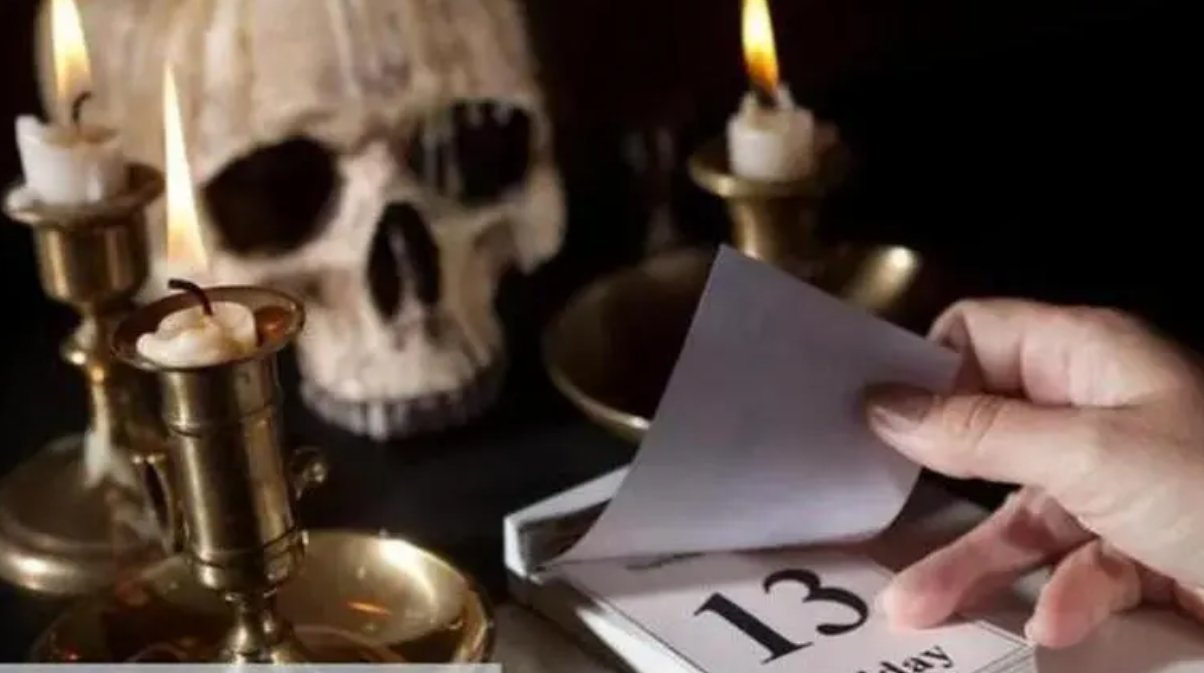
Is Friday the 13th Actually Bad Luck? The History Behind the Superstition
the staff of the Ridgewood blog
Ridgewood NJ, We’ve all been there: you wake up, check your calendar, and see it’s Friday the 13th. Maybe you’re extra careful when crossing the street, you avoid walking under ladders, or you decide to skip that big decision you’ve been putting off.
But why does this specific date trigger such a collective sense of unease? Is it just a harmless superstition, or is there something deeper behind the “bad luck” reputation of Friday the 13th?
Where Does the Fear Come From?
The fear of Friday the 13th—scientifically known as paraskevidekatriaphobia—is a fascinating mix of historical, religious, and cultural anxiety.
-
The Number 13: The number 13 has long been considered “unlucky” in Western culture, often contrasted with the number 12, which is associated with completeness (the 12 months of the year, 12 signs of the zodiac, 12 hours on a clock).
-
The Friday Factor: Friday also carries its own baggage. In many Christian traditions, it’s the day Jesus was crucified. Combine that with the “unlucky” 13, and you have a recipe for folklore-inspired dread.
-
The Last Supper: One of the most popular theories links the date to the Last Supper, where there were 13 guests at the table—and the 13th guest was Judas, who betrayed Jesus.
Is It Actually Dangerous?
Despite the legends, there is zero scientific evidence to suggest that Friday the 13th is more dangerous than any other day. While some people report feeling more anxious, studies analyzing traffic accidents, hospital admissions, and stock market behavior have consistently shown no significant increase in “bad luck” events on this date.
In fact, for many, the day is perfectly normal—or even lucky! Some people even use the day to celebrate the spooky side of life, hosting themed parties or leaning into the dark aesthetics of horror cinema (thank you, Jason Voorhees!).
Why We Keep the Superstition Alive
Psychologically, Friday the 13th is a classic example of confirmation bias. If you stub your toe or hit every red light on the way to work on a Friday the 13th, you’re much more likely to blame the date than you would be on any other day of the month. We look for patterns to explain our bad days, and superstitions provide a convenient (if irrational) scapegoat.
How to Handle the “Unlucky” Day
If you find yourself feeling a little “off” when the calendar hits the 13th, don’t worry—you’re not alone. Here’s how to shake the superstition:
-
Acknowledge the Bias: Remind yourself that a bad day is just a bad day, not a cosmic conspiracy.
-
Flip the Narrative: Treat it as a fun excuse to embrace the mysterious. Watch a horror movie, bake something dark, or simply treat it like a normal Friday.
-
Stay Rational: Focus on facts. The world isn’t out to get you just because of a date on the calendar.
Tell your story #TheRidgewoodblog , #Indpendentnews, #information, #advertise, #guestpost, #affiliatemarketing,#NorthJersey, #NJ , #News, #localnews, #bergencounty, #sponsoredpost, #SponsoredContent, #contentplacement , #linkplacement, Email: [email protected]
-
Tags: #FridayThe13th #Superstitions #HistoryFacts #Psychology #SpookySeason #BadLuck #Folklore #Mindset