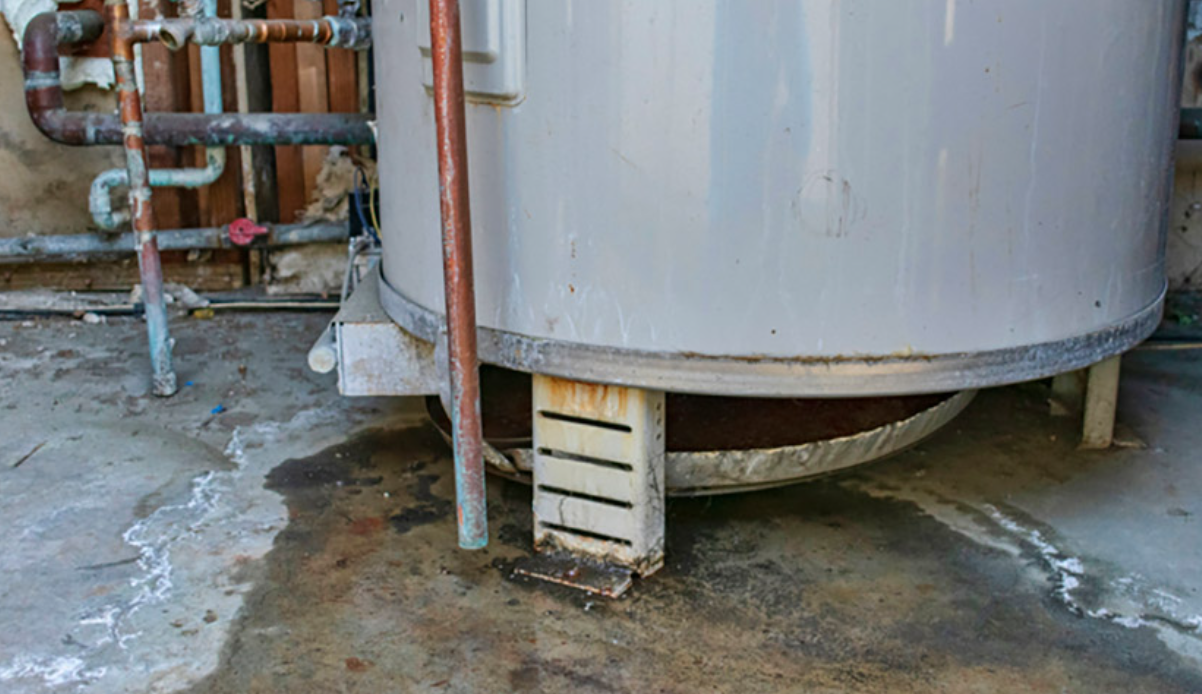
If you’ve noticed water dripping or trickling from the pipe running along the side of your water heater down toward the floor, don’t make the mistake of brushing it off as a minor inconvenience. That pipe — known as the temperature and pressure relief (T&P) valve overflow pipe — is one of the most important safety components in your home’s plumbing system. When it drips, it’s telling you something is wrong. Ignoring it could mean anything from wasted water and higher utility bills to a catastrophic tank failure.
This guide will walk you through everything you need to know: what the overflow pipe does, why it drips, and exactly what you should do about it.
What Is the Overflow Pipe on a Water Heater?
The overflow pipe is the discharge tube connected to the temperature and pressure relief (T&P) valve, which is typically located on the side or top of your water heater tank. The T&P valve is a critical safety device designed to release water — and relieve built-up pressure — if the temperature or pressure inside the tank climbs to a dangerous level.
The overflow pipe directs that released water safely toward a floor drain or outside the home, preventing scalding hot water from spraying out at random. When everything is working as intended, the T&P valve remains closed and no water drips from this pipe. So when water does start dripping from it, take notice.
Why Is My Water Heater Dripping From the Overflow Pipe?
There are several reasons your overflow pipe may be dripping. Some are relatively simple fixes; others signal serious problems that require prompt attention.
1. Excessive Water Pressure
One of the most common culprits behind a dripping overflow pipe is high water pressure in your home’s plumbing system. When the pressure from the municipal water supply is too high — typically above 80 PSI — it puts constant stress on your water heater and triggers the T&P valve to release water periodically as a way of managing that pressure.
You can check your home’s water pressure with an inexpensive pressure gauge attached to an outdoor hose bib. If the reading is consistently above 80 PSI, you’ll need to have a pressure-reducing valve (PRV) installed or adjusted. This is a job best handled by a licensed plumber, but it’s a straightforward fix that can protect your entire plumbing system, not just the water heater.
2. Thermal Expansion
Even when incoming water pressure is normal, thermal expansion can cause problems. When cold water enters the tank and gets heated, it expands in volume. In an open plumbing system, that expanded water has somewhere to go — it can push back into the supply line. But in a closed plumbing system (common in homes with a backflow preventer or check valve installed), that expanding water has nowhere to go. The pressure builds inside the tank until the T&P valve opens to relieve it.
The fix here is the installation of an expansion tank — a small, bladder-type tank that provides a cushion for the expanding water. This is now required by most building codes for closed systems, and it’s a relatively affordable addition that can protect your water heater and prevent ongoing dripping from the overflow pipe.
3. A Faulty or Worn-Out T&P Valve
T&P valves are designed to last, but they don’t last forever. Over time, the valve’s internal components can wear down, corrode, or become coated with mineral deposits — especially in areas with hard water. A worn T&P valve may not seal completely when it closes, resulting in a constant or intermittent drip even when pressure and temperature are within normal ranges.
If your water heater is older than seven to ten years and the T&P valve has never been tested or replaced, there’s a good chance the valve itself is the problem. Replacing a T&P valve is a moderately simple plumbing task, but it must be done correctly. The replacement valve must match the BTU and pressure ratings of your water heater, and the job involves draining part of the tank and working with hot water lines.
4. Overheating
If your water heater’s thermostat is set too high, the water inside the tank can get hot enough to trigger the T&P valve repeatedly. The recommended temperature setting for most residential water heaters is 120°F. Some homeowners inadvertently crank the thermostat higher in an attempt to get hotter water or to prevent bacterial growth, but temperatures above 120–140°F can cause the T&P valve to open regularly as a protective response.
Check your thermostat setting and dial it back to 120°F if it’s higher. Give the system a day or two to stabilize and see if the dripping stops. If overheating was the only cause, this simple adjustment may resolve the issue entirely.
5. Sediment Buildup in the Tank
Over time, minerals in your water supply — primarily calcium and magnesium — settle at the bottom of your water heater tank and form a layer of sediment. This sediment acts as an insulating barrier between the heating element or burner and the water, forcing the heater to work harder and run longer to reach the set temperature. This extended heating time can cause localized overheating at the bottom of the tank, which in turn raises overall tank pressure and leads to T&P valve activation.
If you hear rumbling or popping noises coming from your water heater, that’s a strong indication of sediment buildup. Flushing the tank annually can prevent this from happening. If significant buildup has already occurred, a full tank flush — or in severe cases, a tank replacement — may be necessary.
What NOT to Do
Before jumping into fixes, there are a few things you should avoid doing when you notice your overflow pipe dripping.
Don’t cap or plug the pipe. This might seem like a simple solution to stop the dripping, but it’s genuinely dangerous. The T&P valve and its overflow pipe are safety mechanisms. Blocking that pipe means if the valve opens due to dangerous pressure or temperature levels, the released water has nowhere to go — and the pressure inside the tank continues to build. Water heater tanks have been known to explode under these conditions.
Don’t ignore it for months. A slow drip might not seem urgent, but it often signals a progressive problem. What begins as a faulty T&P valve or mild overpressure can escalate into a leaking tank, significant water damage, or a safety hazard.
Don’t test the T&P valve repeatedly. Many guides suggest manually lifting the valve’s lever to test whether it’s working. While a single test is fine (and recommended during routine maintenance), repeatedly testing a valve that hasn’t been lifted in years can cause it to fail to reseal properly, turning a manageable situation into a bigger one.
When to Call a Professional
While some of the fixes above — like adjusting thermostat settings or checking water pressure — are well within the ability of a handy homeowner, others are better left to a licensed professional. You should call a plumber or water heater specialist if:
- You’re unsure what’s causing the drip after basic inspection
- The dripping is heavy or continuous rather than occasional
- Your water heater is more than ten years old
- You need a T&P valve replacement and aren’t confident doing it yourself
- You need an expansion tank installed
- You suspect sediment buildup is severe
- There are other signs of tank failure, such as rust-colored water, visible corrosion on the tank, or pooling water around the base
A qualified technician from a trusted service like www.doctorwaterheater.com can diagnose the root cause quickly, recommend the right repair, and ensure the work is done safely and up to code.
Routine Maintenance: Your Best Defense
The best way to prevent your overflow pipe from dripping in the first place is regular water heater maintenance. Here’s what a basic maintenance routine looks like:
Annual tank flush: Draining a few gallons from the tank once a year helps remove sediment before it accumulates to problematic levels.
T&P valve inspection: Once a year, briefly test the T&P valve by lifting its lever slightly and letting it snap back. You should hear a gurgle as water is released and then stops. If the valve doesn’t release water or doesn’t stop dripping after the test, it needs replacing.
Check the anode rod: The anode rod inside your tank attracts corrosive elements in the water and sacrifices itself so the tank walls don’t corrode. Inspect it every two to three years and replace it when it’s significantly depleted. A corroded tank is far more expensive to deal with than a new anode rod.
Monitor water pressure: Use a simple gauge periodically to confirm your home’s water pressure stays between 40 and 80 PSI. If it consistently runs high, have a plumber adjust or install a PRV.
Know your tank’s age: Most water heaters have a lifespan of eight to twelve years. If yours is approaching or past that range and showing symptoms like T&P valve dripping, it may be more cost-effective to replace the unit than to keep repairing it.
The Bottom Line
A water heater dripping from the overflow pipe is never something to wave off or delay addressing. That small trickle of water is your heater’s way of communicating that something in the system is out of balance — whether it’s pressure, temperature, a worn valve, or sediment. Each of these issues has a clear solution, and most can be resolved without breaking the bank if you act promptly.
What makes the difference between a minor repair and a major disaster is often nothing more than how quickly you respond. The overflow pipe is doing its job by signaling a problem — your job is to take it seriously and get it fixed.
When in doubt, reach out to a professional. Specialists like Doctor Water Heater are equipped to handle everything from routine inspections to full tank replacements, giving you peace of mind that your system is running safely and efficiently. Don’t wait for a small drip to become a major headache.