
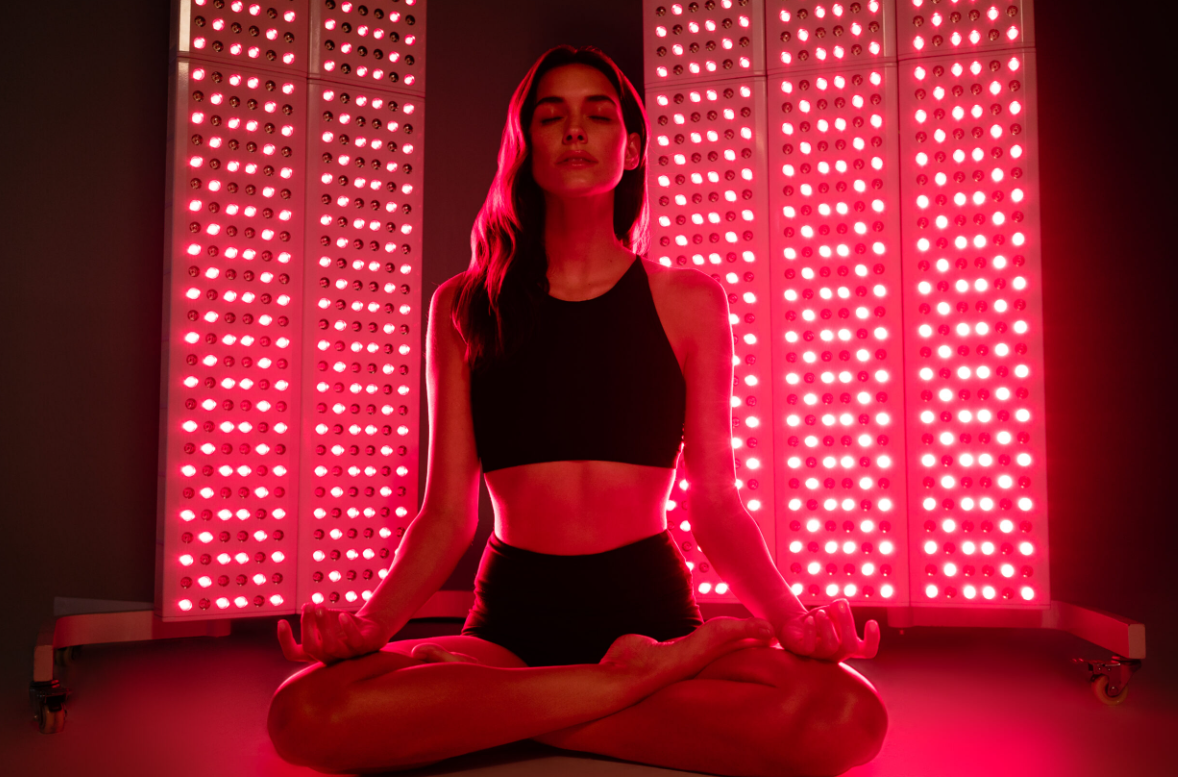
A red light therapy system directs selected light wavelengths toward the skin and body. It does not use needles or require a recovery period after a standard session. Devices differ in coverage, output, wavelength range, and intended use. This article explains how the technology works and what affects each session.
LED diodes direct light toward exposed areas from a set distance. Redlight Therapy uses visible red and near-infrared wavelengths that interact with cells and tissue. Red light tends to act closer to the skin surface. Near-infrared light may reach deeper areas of the body. Systems can come as booths, beds, panels, or small applicators. A full-body booth surrounds the user with light for broad coverage. The Spectrum 7 uses seven wavelengths within a stand-up design.
Why Each Wavelength Has a Role
Wavelengths are measured in nanometers and reach tissue at different depths. Visible red bands may include 605, 630, 660, and 670 nanometers. Near-infrared bands can include 830, 905, and 940 nanometers. A multi-wavelength device combines several bands in one session.
The wavelength count alone does not define device quality. Output, distance, exposure time, and total dose also matter. A provider should explain the selected settings and session schedule. Medical claims should be reviewed with a qualified health professional.
What Occurs During a Session
A session usually starts with instructions from a staff member. Clothing that blocks the target area may need to be removed. The user then stands, sits, or lies near the light source. A timer controls the length of exposure.
Factors That Affect the Light Dose
Two sessions of equal length may deliver different doses. Several device and setup details influence exposure:
- Wavelengths produced by the system
- Light output at the user’s position
- Distance from the LED diodes
- Total time under the light
Commercial equipment should display clear controls and technical specifications. Staff should follow the manufacturer’s recommended setup. Redlight Therapy providers should also clean contact surfaces between sessions. Records can help maintain a consistent protocol for each client.
How Full-Body Systems Compare With Panels
A full-body system exposes a large area within one appointment. This format can suit gyms, wellness studios, and recovery centers. A stand-up booth may also use less floor space than a bed. Commercial models are designed for repeated sessions throughout the day.
A panel directs light toward a smaller part of the body. It may cost less and fit more easily inside a home or office. However, several positions may be required for broad exposure. The right format depends on space, budget, goals, and expected use.
What to Check Before Use
Eye protection, skin sensitivity, medications, and health conditions deserve attention. Some medicines and topical products may increase sensitivity to light. A clinician should review concerns related to eye disease or photosensitivity. Users should also follow the stated exposure limits.
A provider should explain the device, session length, sanitation process, and possible limits. Staff should avoid claims that a wellness system can replace medical treatment. Product specifications help confirm output, dimensions, and electrical requirements. They do not prove that every user will receive the same result.
A red light therapy system delivers measured red and near-infrared light through LED diodes. Its operation depends on wavelength, output, distance, exposure time, and coverage. Full-body booths offer broad access, while panels focus on smaller areas. Clear instructions and realistic expectations support more responsible use.





