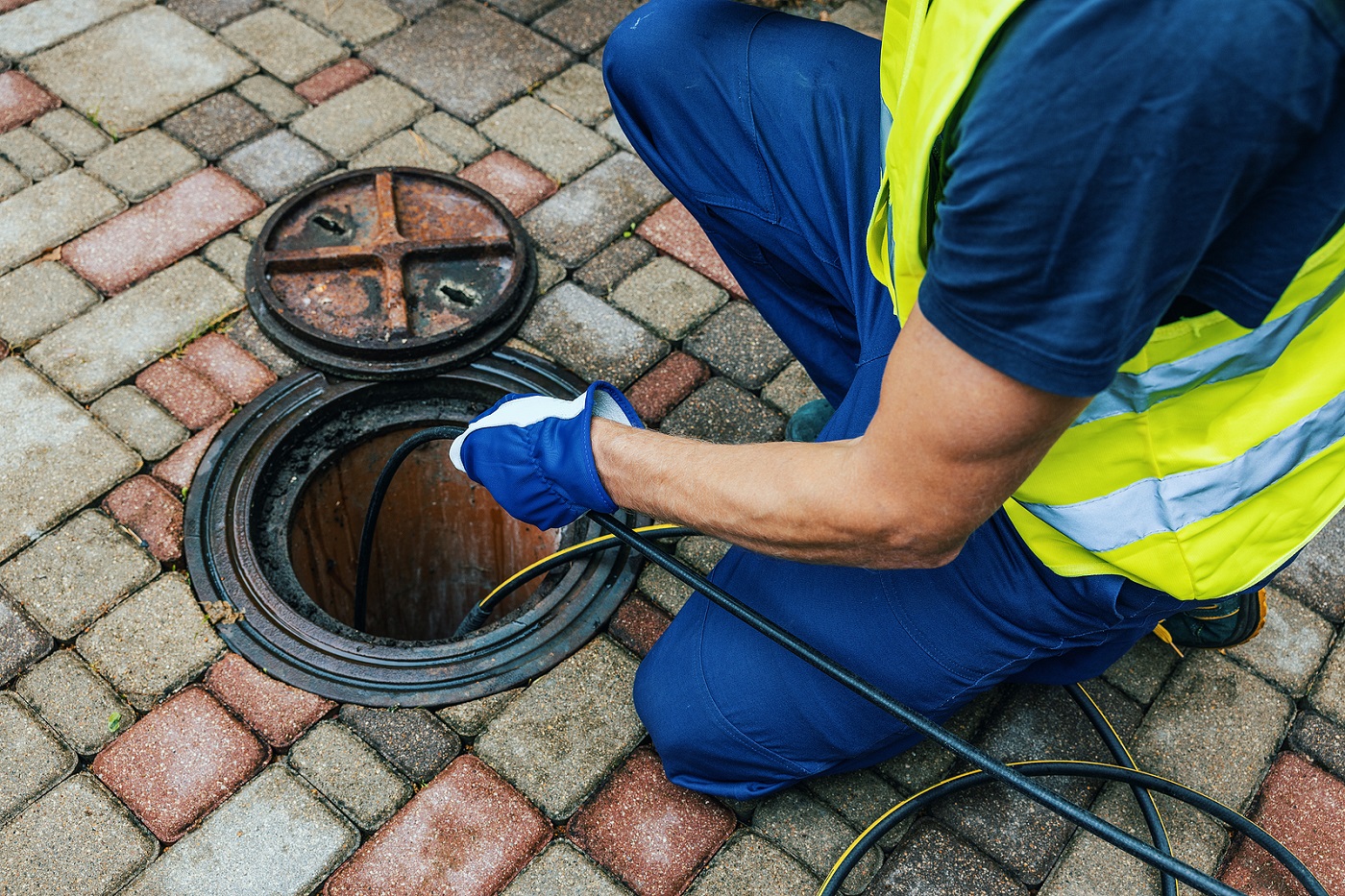
Hamburg, New Jersey, is a town steeped in charm. Nestled in Sussex County, its picturesque streets, colonial architecture, and rich history make it a gem for homeowners and history lovers alike. But beneath the surface of these timeless homes lies a growing concern—aging sewer infrastructure. Many of Hamburg’s historic homes are built atop sewer lines dating back decades, and with each passing year, the risks multiply.
In a town where homes are often 70 or more years old, sewer backups, pipe collapses, and root invasions are becoming alarmingly common. As more residents uncover these underlying problems, the demand for professional drain cleaning services and sewer line upgrades is rapidly increasing. This isn’t just a minor inconvenience—it’s a serious threat to property value, home safety, and the longevity of Hamburg’s treasured architecture.
Outdated Pipes Approaching Critical Failure
Sewer lines typically last between 50 and 100 years, depending on the material used. In Hamburg, many homes were constructed in the early 20th century with sewer systems made from materials such as clay, cast iron, or even Orangeburg—an old tar paper-based pipe notorious for collapsing under pressure. These aging materials are now reaching or surpassing their natural lifespan.
Clay pipes crack and displace easily, cast iron corrodes from the inside, and Orangeburg disintegrates into soggy pulp. Small signs such as slow drains or foul odors are often early indicators of major underlying problems. Without intervention, these subtle symptoms can evolve into total pipe collapse, flooding, or widespread water damage. Hamburg’s homeowners are learning that ignoring the past buried beneath their homes could mean paying dearly in the future.
Tree Roots and Nature’s Invasion
Hamburg’s leafy streets and mature trees are part of what make the town so attractive. But the same trees that provide curb appeal can wreak havoc underground. Roots instinctively seek out moisture, and older sewer lines—especially those with even the smallest crack or gap—act as magnets for invading root systems.
Once inside, roots rapidly expand and obstruct flow, sometimes even breaking pipes apart. This doesn’t happen overnight. It’s a slow, stealthy process that builds until homeowners face complete blockages or sewage backups. Professional inspections using sewer cameras are essential to identifying root damage early. Some issues can be cleared using hydro jetting, but in cases of advanced root intrusion, full replacement may be the only solution. In Hamburg, root damage is one of the top reasons residents are calling for inspections and repairs.
Soil Shifting and Misaligned Pipes
Historic homes come with historic problems—including foundations that settle and soil that shifts over time. When this occurs, sewer lines can lose their slope or sag in places, causing waste to pool in low spots. This phenomenon, often referred to as a “belly” in the pipe, can create chronic clogs and accelerate deterioration.
Older sewer lines are particularly susceptible, as materials such as clay or cast iron have limited flexibility and can crack under movement. Unfortunately, homeowners often treat clogs as isolated plumbing issues without realizing they’re signs of bigger structural shifts underground. Fixing sloping or collapsed lines typically involves excavation or pipe realignment—costly, yes, but necessary to maintain safe drainage and avoid constant repair bills.
Health Risks and Environmental Concerns
Failing sewer lines aren’t just a property issue—they’re a public health risk. Leaks and breaks in sewer systems can lead to raw sewage seeping into soil, yards, basements, or even drinking water sources. In compact communities such as Hamburg, where homes sit close together, one household’s sewer failure can potentially affect several neighbors.
Additionally, sewer gas leaks can cause unpleasant smells or introduce dangerous gases such as hydrogen sulfide into a home’s interior. These gases are toxic in high concentrations and can pose serious health risks over time. What starts as a minor pipe leak may evolve into a far-reaching hazard. As a result, many homeowners are rethinking what they consider “routine maintenance” and scheduling more frequent inspections with professionals trained to spot early warning signs.
Preservation Meets Modern Plumbing
Hamburg’s homes are architectural treasures, and many are protected or valued for their historical character. But preserving history while updating essential systems can be a delicate balance. Digging up floors or yards to replace a sewer line can feel like violating the integrity of a heritage home—but it’s sometimes necessary for long-term survival.
Luckily, trenchless technologies are helping to bridge the gap. Solutions such as cured-in-place pipe (CIPP) lining allow professionals to reinforce existing lines without disturbing the property above. In other cases, directional drilling or pipe bursting methods can replace pipes entirely while preserving landscaping and foundations. For Hamburg homeowners, this means they can retain the charm of their historic properties without compromising modern standards of safety and sanitation.
Chronic Drain Issues Are Telling a Bigger Story
Recurring drain clogs and backups are often treated with a plunger or chemical cleaner—but in historic homes, these symptoms may signal deeper issues. Old sewer lines prone to cracking or collapse often show signs long before the worst happens. Slow-draining sinks, gurgling sounds, or recurring blockages can all be symptoms of a failing main line.
Over-the-counter drain cleaners can worsen the situation by corroding fragile pipes. Instead, homeowners are now turning to professional drain cleaning services that use non-invasive methods such as camera inspections, high-pressure jetting, and mechanical root removal. These services can both diagnose and treat problems more effectively while protecting aging infrastructure from further damage.
Winter’s Hidden Toll on Sewer Infrastructure
Hamburg’s winters are cold and often unpredictable. Freeze-thaw cycles cause the ground to expand and contract, which can shift pipes, loosen joints, and accelerate wear—especially in systems that are already weakened. These seasonal stresses can transform hairline cracks into full-scale failures.
Moreover, freezing temperatures can cause minor blockages to become major ones. Ice formation in poorly insulated or shallow pipes can block flow entirely, leading to backups and emergency calls during the coldest months. As a result, many residents are making sewer inspections a key part of their fall home prep, aiming to resolve hidden issues before winter makes them worse—and harder to fix.
Insurance Often Falls Short
One of the most frustrating revelations for many homeowners is discovering that sewer line failures often aren’t covered by standard home insurance policies. Damage to the lateral line—the pipe that runs from a home to the municipal sewer main—is typically the homeowner’s responsibility, even if the problem lies beneath the public sidewalk.
Sewer line replacements can cost thousands, and emergency excavation can send costs even higher. Some insurance providers offer optional add-ons or riders for sewer coverage, but these aren’t automatically included. Given the age of Hamburg’s infrastructure, reviewing and updating one’s policy is a smart move.
Conclusion: Don’t Let History Be Buried by Neglect
The aging sewer systems beneath Hamburg’s historic homes are more than a hidden nuisance—they’re an urgent threat to property safety and the town’s enduring legacy. From root invasions and soil shifting to outdated materials and seasonal stress, these systems are under siege in more ways than one.
By investing in modern diagnostics, relying on professional drain cleaning services, and staying proactive through inspections and insurance planning, homeowners can stay ahead of the problem. Preserving Hamburg’s rich history doesn’t mean ignoring the future. It means building a stronger foundation—above and below—for generations to come.