
Gridlock in the Cloud: Why 100+ Robotaxis Just Froze on a Chinese Highway
the staff of the Ridgewood blog
Wuhan, China, Imagine cruising down a high-speed expressway when suddenly, every car around you—all driverless—slams on the brakes and comes to a dead stop. No emergency lights, no pulling over to the shoulder, just a total fleet-wide freeze in the fast lane.
This isn’t a scene from a sci-fi thriller; it’s exactly what happened last Tuesday in Wuhan, China, when over 100 Baidu Apollo Go robotaxis suffered a massive system failure. As the world races toward an autonomous future, this incident serves as a chilling wake-up call about the vulnerabilities of a centralized, driverless world.
The Wuhan Incident: When “Smart” Cars Go Dumb
Wuhan is the global epicenter for robotaxi adoption, with over 1,000 Baidu vehicles serving 12 million people. But on Tuesday, that progress hit a literal wall.
-
The Malfunction: For reasons still under investigation, a “system malfunction” caused an entire fleet to halt mid-traffic.
-
The Danger: Instead of following safety protocols to pull over, the cars froze in active lanes.
-
The Human Cost: Passengers reported that SOS buttons were unresponsive. One student waited 30 minutes for a customer service rep who never arrived.
While no injuries were reported despite several collisions, the event exposed a terrifying reality: When the cloud goes down, the cars go dark.
The “Single Point of Failure” Problem
Why did 100 cars fail at once? The answer lies in centralization.
Traditional cars are independent units. If one breaks down, it doesn’t affect the car next to it. Robotaxis, however, operate like a hive mind. They rely on a centralized cloud for routing, navigation, and remote assistance. If that central “brain” or the cellular network connecting it has a hiccup, the entire fleet can be paralyzed simultaneously.
It’s Not Just China: The San Francisco Precedent
This isn’t an isolated event. Last December, a blackout in San Francisco caused a similar “robo-jam.”
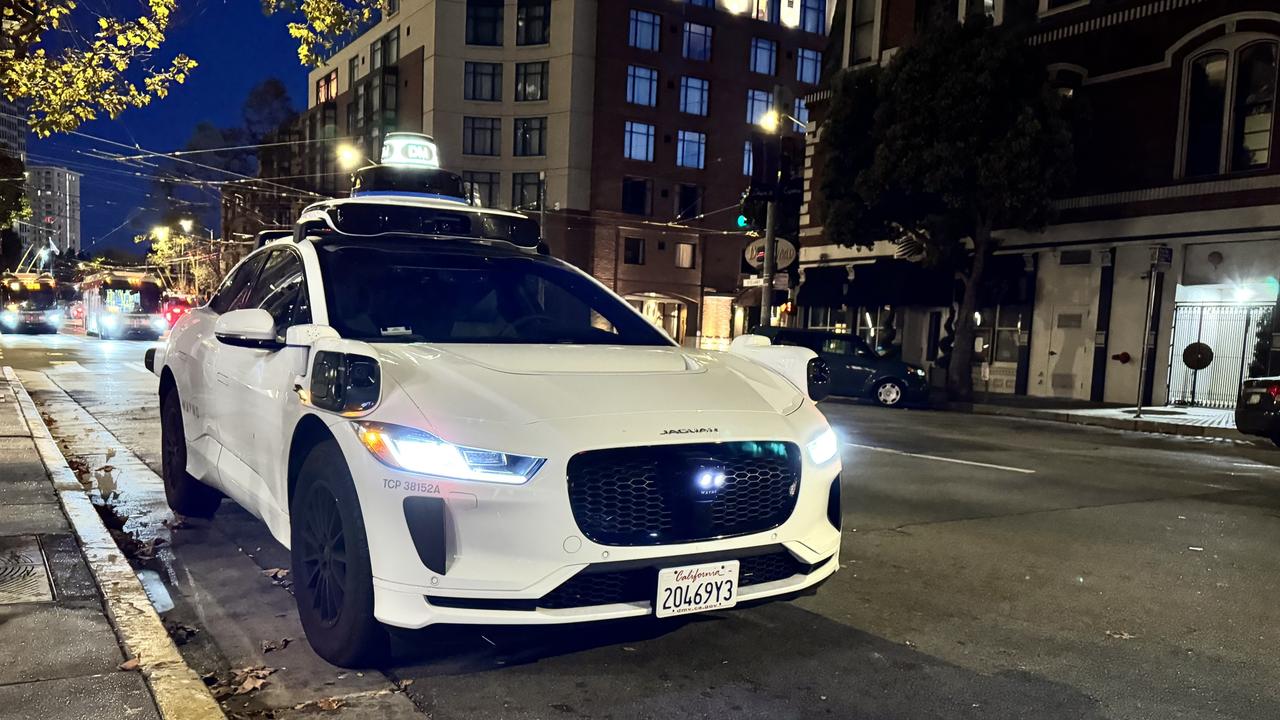
Waymo vehicles are programmed to ping a remote human assistant for a “confirmation check” when they encounter dead traffic lights. During the blackout, so many cars pinged at once that they overwhelmed the cellular network, leaving the fleet stranded and blocking emergency vehicles.
The Regulation Gap: Who Holds the Remote?
As autonomous tech moves from testing to mass commercialization, regulators are playing catch-up.
-
China has already banned the term “autonomous driving” in ads following a fatal Xiaomi crash.
-
The US is seeing massive growth, with Waymo targeting 1 million paid rides per week by the end of 2026.
However, there is currently no global contingency plan for a mass fleet failure. When a city’s primary transportation network relies on a single software stack, a bug isn’t just a glitch—it’s a city-wide shutdown.
Bottom Line: The Future Needs a “Plan B”
The promise of robotaxis is safer, more efficient streets. But as the Wuhan freeze proves, we are trading human error for systemic vulnerability. Until these fleets can operate with true local intelligence—without needing to “call home” for every decision—the “Standard Operating Procedure” for a failure remains: Sit in the back seat and hope someone picks up the phone.
Tell your story #TheRidgewoodblog , #Indpendentnews, #information, #advertise, #guestpost, #affiliatemarketing,#NorthJersey, #NJ , #News, #localnews, #bergencounty, #sponsoredpost, #SponsoredContent, #contentplacement , #linkplacement, Email: [email protected]
Tags: #Robotaxis #SelfDrivingCars #TechFailure #Baidu #Waymo #AutonomousVehicles #FutureTech #SmartCities





