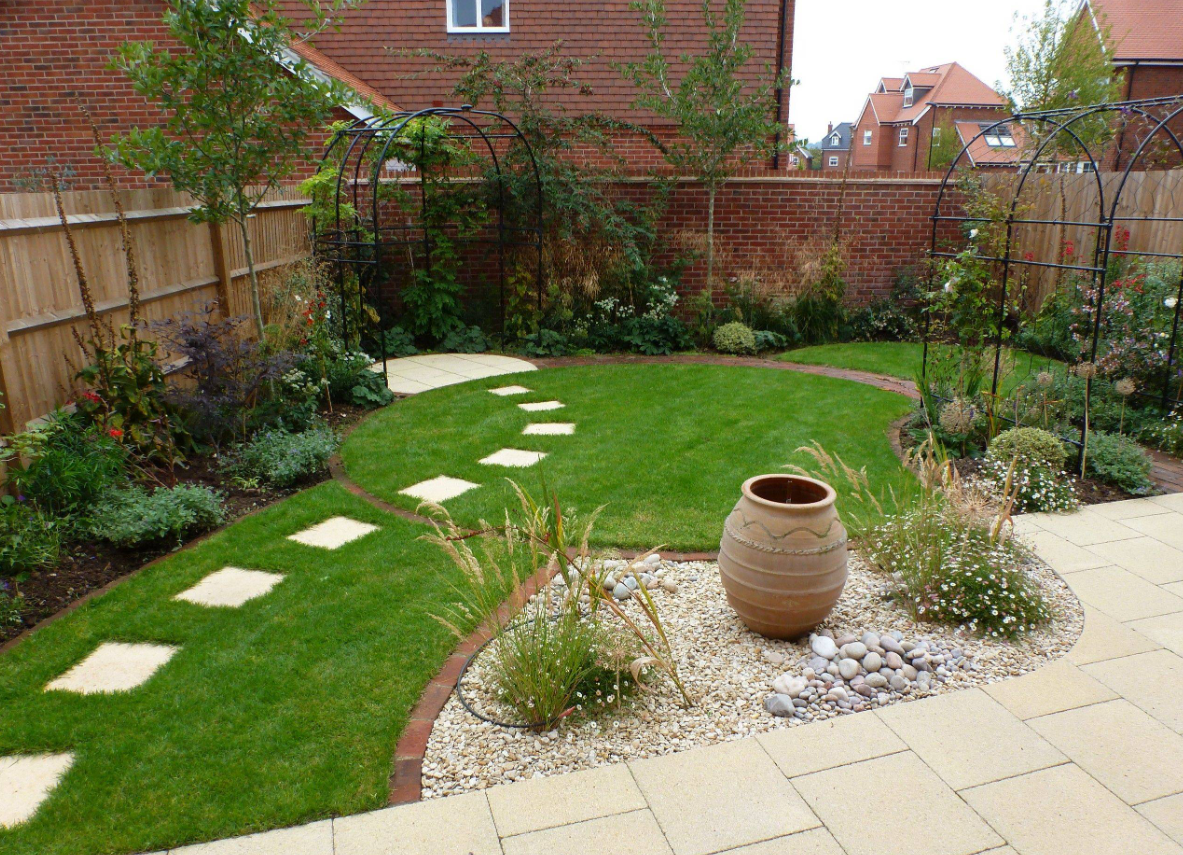
The quality of your plants is the most crucial factor for long-term success in a landscape or garden. Choosing high-quality nursery stock isn’t just about immediate appearance—it’s an investment in the plant’s future health, structure, and manageability.
The Foundation of Long-Term Growth
Think of a young tree or shrub as a building. If the foundation is cracked or the framing is crooked, no amount of paint will fix the structural issues later on. The same logic applies to plants.
High-quality plants possess a strong central leader (for trees), a balanced root system, and a branch structure free from co-dominant stems or included bark. These physical traits dictate how the plant will handle wind, snow loads, and general gravity as it matures. A plant with poor structure at the nursery stage is prone to splitting and breaking as it grows heavier, posing safety risks and requiring expensive remediation.
Quality Stock Reduces Maintenance Costs
One of the most overlooked aspects of landscaping is the relationship between initial plant quality and future maintenance budgets. “Bargain” plants often come with hidden costs that accumulate over years.
Inferior nursery stock often suffers from circling or girdling roots—a result of being left in a container too long. As these roots expand, they strangle the tree, cutting off water and nutrient flow. This leads to a slow decline, necessitating frequent treatments, specialized pruning, or eventually, removal and replacement.
By investing in premium stock with a healthy, fibrous root system and good branching structure, you significantly reduce the need for:
- Corrective Pruning: You won’t need to spend hours fixing bad architecture.
- Pest and Disease Management: Stressed, structural weak plants are magnets for pests.
- Replacement: High-quality plants have significantly better survival rates.
How to Identify Healthy Plants
Knowing what to look for at the nursery can save you headaches down the road. When selecting your plants, keep these best practices in mind:
Inspect the Roots
If possible, gently slide the plant out of its pot. The roots should be white or light tan and fibrous. Avoid plants with dark, mushy roots (a sign of rot) or thick roots circling the perimeter of the pot (pot-bound). For balled-and-burlapped trees, ensure the root flare (where the trunk meets the roots) is visible and not buried deep in the soil.
Check the Structure
For trees, look for a single, dominant leader. Avoid trees with “V” shaped crotches where two stems compete for dominance, as these are prone to splitting. Branches should be well-spaced along the trunk, not clumped together.
Look for Injuries
Inspect the trunk and branches for wounds, cankers, or oozing sap. Mechanical damage from transport or equipment at the nursery can be an entry point for disease. The bark should be intact and free of large scars.
The ROI of Premium Plants
The benefits of prioritizing quality extend beyond the wallet. Healthy, vigorous plants, similar to those offered at a plant store located in Salt Lake City, contribute more effectively to the environment. They establish faster, sequester carbon more efficiently, and provide better habitat for local wildlife compared to struggling, stressed specimens.
When you purchase premium nursery stock, you are buying a higher probability of survival. This ensures that the resources used to grow, transport, and plant that tree or shrub aren’t wasted. A thriving landscape increases property value and provides the aesthetic and environmental benefits intended by the design.
Conclusion
By learning to identify and select superior nursery stock, you ensure your landscape grows into a resilient, thriving asset rather than a maintenance burden.