
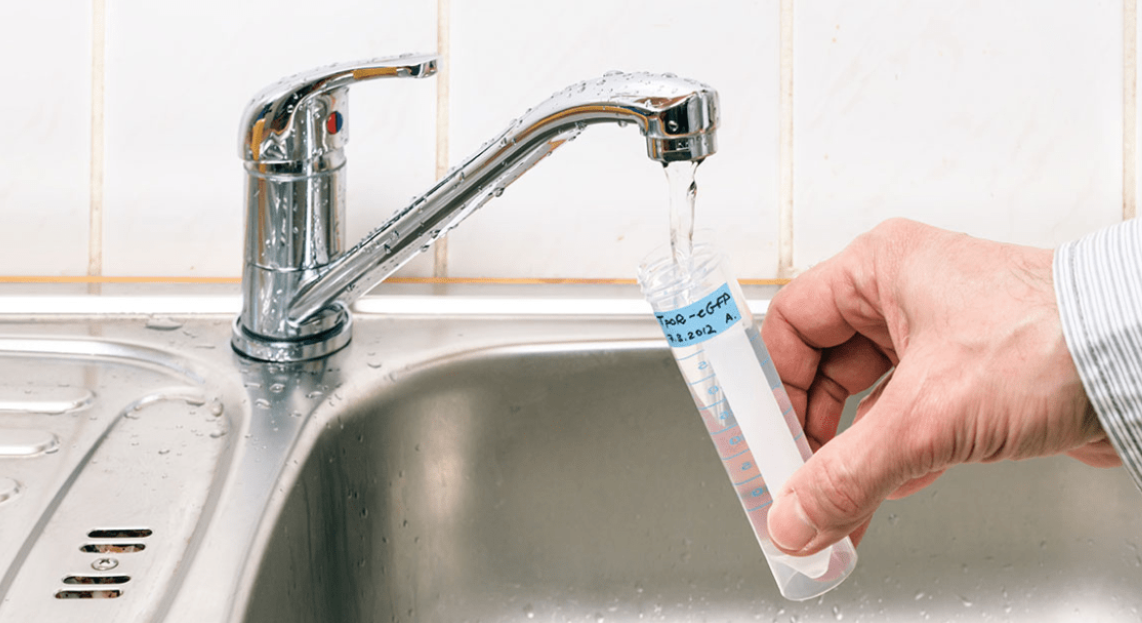
Clear water can taste fine while still carrying minerals, microbes, metals, or chemical traces that affect health and household systems. In coastal communities like Ocean City, Maryland, local conditions can add further concerns. Regular testing replaces guesswork with measured evidence. It can identify lead, nitrates, bacteria, hardness, acidity, and other concerns before exposure or repair bills grow.
For families with wells, older pipes, or changing municipal supplies, periodic analysis makes daily use safer and more informed. Scheduling Ocean City, Maryland, water testing is one practical step toward understanding what flows through household taps. The sections below outline why testing matters and when it makes the most difference.
Local Conditions Matter
Coastal properties near Ocean City often face conditions shaped by salt exposure, sandy soils, seasonal occupancy, and older supply lines. A homeowner comparing Ocean City, Maryland, water testing options should request checks for hardness, iron, sulfur, bacteria, nitrates, lead, acidity, and dissolved solids, because aquifers, pipe age, and nearby land use can shift results.
Clear Water Can Mislead
Appearance alone says very little about safety. Lead may enter through service lines or interior plumbing without changing taste. Nitrates can be present in well supplies near septic systems or fertilized land. Some bacteria create no odor at all. Testing helps separate cosmetic concerns, such as staining, from health issues that need prompt attention.
Wells Need Routine Checks
Private wells require steady oversight from the property owner. A utility does not sample them each day. Heavy rain, flooding, construction, nearby agriculture, and groundwater movement can alter quality over time. Annual testing gives a useful baseline. Additional sampling is wise after storms, repairs, new odors, unexplained illness, or long gaps in records.
Municipal Water Can Change
Public supplies are treated before distribution, but conditions can shift after treatment. Federal water science research confirms that quality can vary even within treated distribution systems. Aging mains, service lines, household pipes, storage tanks, and repair work may influence the tap. Sediment, chlorine taste, hardness, or metal traces can vary across blocks. Periodic testing helps locate the concern, whether it begins at the source, along delivery lines, or inside the home.
Real Estate Decisions Need Data
Water results often carry real weight during a home sale, especially with wells. Buyers need proof that drinking, cooking, and bathing supplies meet acceptable standards. Sellers gain time to address concerns before negotiations become tense. A current report reduces uncertainty, supports fair repair discussions, and protects both sides from last-minute findings.
Test Results Need Context
A lab sheet can be difficult to interpret without clinical and practical context. One number may point to a health threshold. Another may explain staining, scale, or taste. Good guidance connects results to daily exposure, plumbing risk, and treatment need. Households benefit most when findings are explained in plain terms, with clear priorities.
Appliances Depend on Quality
Hardness deposits calcium and magnesium scale inside heaters, dishwashers, washing machines, and coffee equipment. Iron can discolor fixtures, fabrics, and porcelain. Acidic conditions may corrode copper lines, fittings, and valves. These effects usually accumulate slowly. Testing gives households an early warning before hidden wear shortens the life of expensive equipment.
Health Priorities Differ
Risk is not equal for every household. Infants, pregnant people, older adults, and anyone with reduced immune defense may be more sensitive to contamination. Bacteria, nitrates, lead, arsenic, and certain chemical residues deserve careful review. Testing does not create alarm. It gives families a factual basis for choices about drinking, cooking, bathing, and treatment.
Timing Makes Testing Useful
Routine schedules work best when paired with event-based sampling. Many well owners should test each year. New analysis also makes sense after flooding, plumbing replacement, unusual taste, odor, staining, or nearby construction. Homes with filters, softeners, or ultraviolet systems should confirm that equipment still performs correctly. Recent data matters because conditions can change.
Better Choices Start With Facts
Without test results, households can spend money on equipment that misses the actual concern. A softener handles hardness, but it does not address every contaminant. Carbon filtration can improve taste and reduce selected chemicals, but minerals may remain. Ultraviolet treatment requires adequate clarity. Accurate findings match the response to the risk.
Conclusion
Regular water testing is a modest step with meaningful value for nearly every household. It supports health decisions, protects plumbing, guides real estate planning, and keeps treatment choices grounded in evidence. Results may reveal hidden concerns, explain stains or odors, or confirm that the supply is already in good shape. Because weather, infrastructure, and nearby activity can change conditions, testing helps families stay informed.





