Fox Sightings in Ridgewood: What You Need to Know About Our New Neighbors
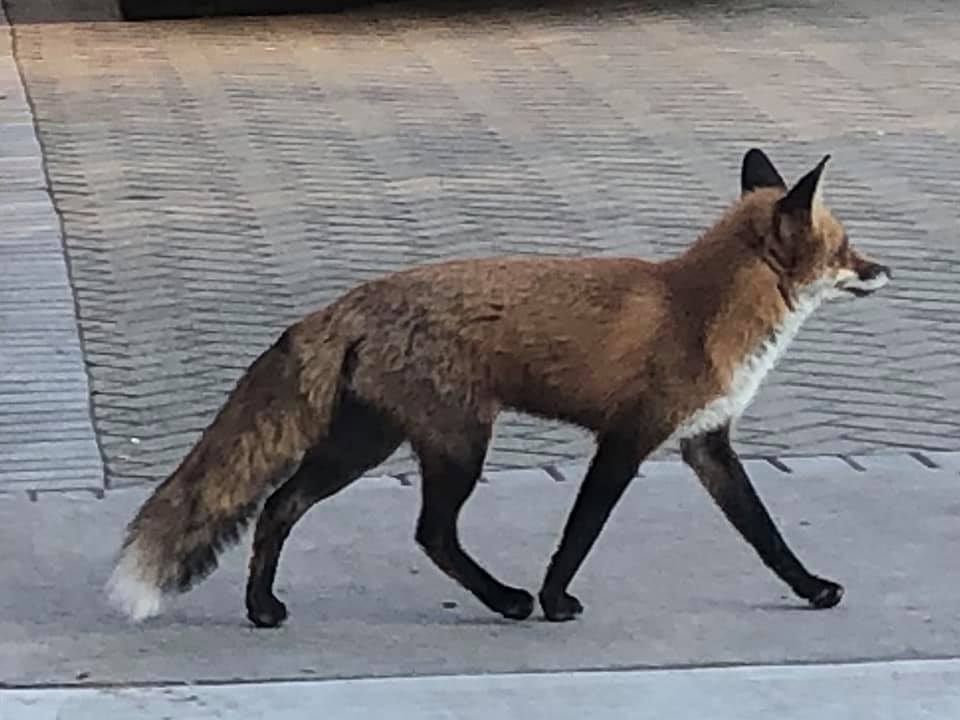
photo courtesy of neighbors on Facebook
the staff of the Ridgewood blog
Ridgewood NJ, If you’ve recently spotted a bushy tail darting through your backyard or caught a pair of glowing eyes on your doorbell camera, you aren’t alone. Reports of fox sightings in Ridgewood, are on the rise.
While seeing a predator in a residential area can be startling, understanding these intelligent animals is the first step toward peaceful coexistence. Here is your essential guide to the two species calling Ridgewood home.
Red Fox vs. Gray Fox: Who’s in Your Yard?
New Jersey is home to two distinct fox species. While they may look similar at a glance, they have very different personalities and habits.

1. The Red Fox (Vulpes vulpes)
The Red Fox is the “classic” fox most residents recognize.
-
Appearance: Rusty orange fur, black “stockings” on their legs, and a signature white-tipped tail.
-
Size: Generally 8–15 lbs (about the size of a small dog).
-
Behavior: Highly adaptable, Red Foxes love “edge” habitats—where suburban lawns meet the woods. They are mostly active at night and during dawn/dusk (crepuscular).
2. The Gray Fox (Urocyon cinereoargenteus)
The Gray Fox is the more elusive, “secretive” cousin.
-
Appearance: A “salt and pepper” grizzled gray coat with reddish patches on the neck and ears. Unlike the Red Fox, its tail has a black stripe and no white tip.
-
The “Tree Fox”: Unique among canines, the Gray Fox has hooked claws that allow it to climb trees to escape predators or find fruit!
Are Foxes Dangerous to Humans or Pets?
The short answer is no, healthy foxes pose virtually no threat to humans. They are naturally wary of people and will usually run away before you even notice them.
Common Myths vs. Facts
-
Myth: “If I see a fox during the day, it must have rabies.”
-
Fact: While foxes are nocturnal, they often hunt during the day in the spring when they have hungry pups to feed. Daylight activity alone is not a sign of disease.
-
Small Pets: Foxes do pose a risk to small domestic animals like chickens, rabbits, and occasionally outdoor cats.
-
The “Screech”: Foxes make a haunting, high-pitched scream that can be terrifying to hear at night—don’t panic, it’s just their way of communicating!
5 Tips for Coexisting with Ridgewood Wildlife
If you want to discourage foxes from hanging out on your property, follow these simple steps:
-
Secure the Trash: Use locking lids on garbage cans to prevent scavenging.
-
Pick Up Pet Food: Never leave bowls of food outside overnight.
-
Clean the Grill: The smell of grease drippings is a major attractant.
-
Hazing Works: If a fox gets too comfortable, make loud noises, clap your hands, or use a garden hose to remind them that humans are “scary.”
-
Seal the Den: Check under decks and sheds in late winter to ensure foxes aren’t setting up a nursery.
When to Call for Help: If you see a fox showing unprovoked aggression, impaired movement, or extreme disorientation, contact Ridgewood Animal Control or the DEP Hotline at 877-WARN-DEP.
Join the new Saddle River Valley, Ramapo and Pascack Valley Communities Facebook group
https://www.facebook.com/groups/1931704860512551/
#news #follow #media #trending #viral #newsupdate #currentaffairs #BergenCountyNews #NJBreakingNews #NJHeadlines #NJTopStories
-
Tags: #RidgewoodNJ #BergenCounty #NJWildlife #FoxSighting #NatureInSuburbia #RedFox #GrayFox