
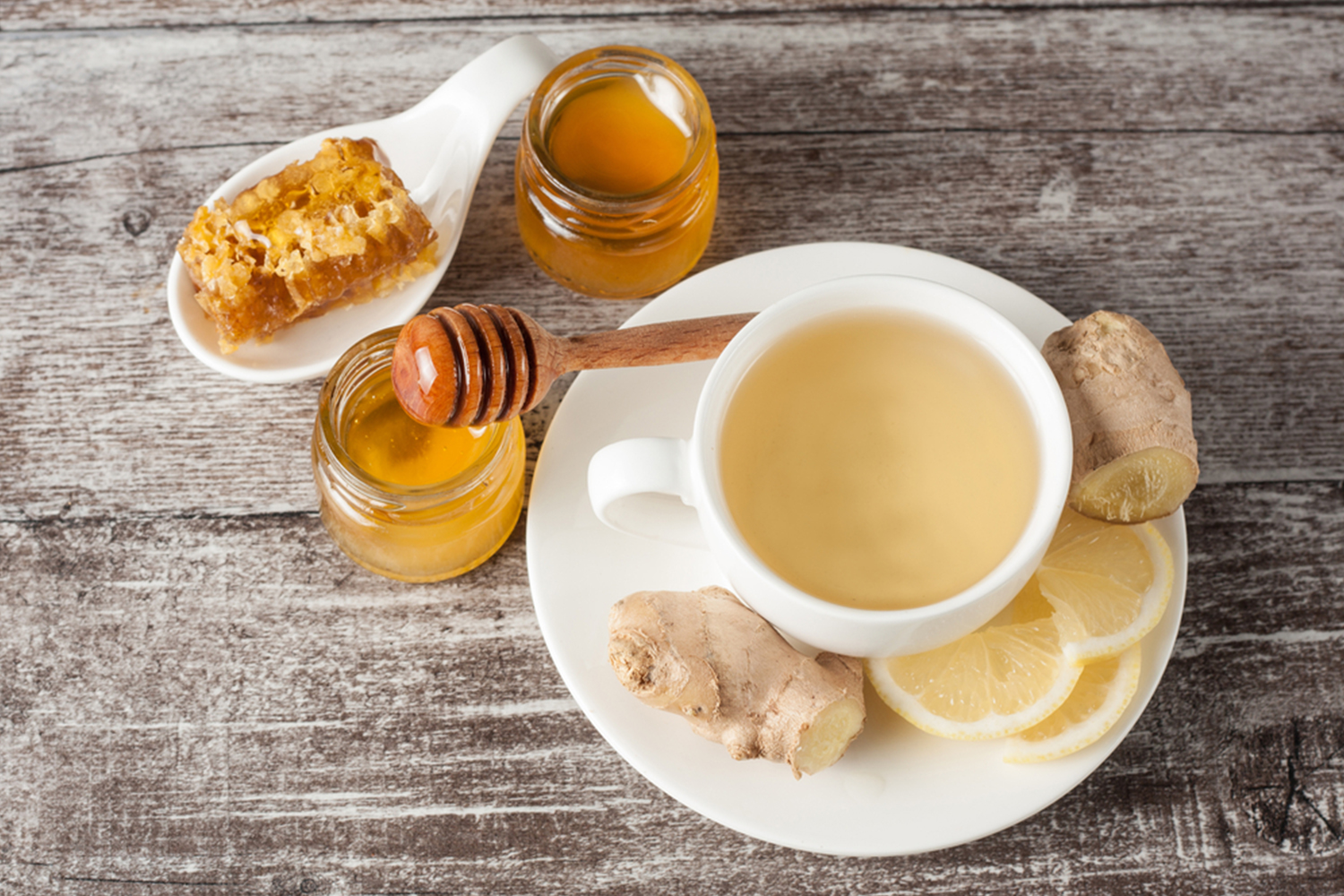
Today, the need to adopt a healthy lifestyle and wellness has made the demand for unprocessed, pure honey to be on a fast upward trend. Among the most sought-after varieties are raw honey and wild honey- since both have highly appreciable purity, nutrient content, and natural flavor profiles.
This guide will help you know what raw and wild honey is, the difference between them and most importantly how to find and buy the real varieties whether online or local from raw and wild honey producers.
Raw Honey vs Wild Honey
Regular honey and raw honey differ mainly in how they get processed. As raw honey doesn’t go through extensive purification processes, it retains more enzymes and nutrients as compared to regular honey. It comes straight from the hive, so you can expect it to have a higher antioxidant level and natural flavor and aroma of flowers to the fullest.
Wild honey is similar to raw honey in terms of its unprocessed composition but differs in its source and different producer; wild honeybees. The hives are present in the wild regions like forests, far from human settlement and are harvested in limited amount compared to farmed raw honey.
Why Authenticity Matters
Honey in our market appears to be pure, but reality might be quite different. There is a high chance for commercial honey to be adulterated or highly processed, and this totally alters the nutritional value and health.
The common adulterants used in honey is sugar syrup- such as rice syrup/ corn syrup- to increase volume and reduce production costs. Some producers also overheat or pasteurize honey to maintain a clear, liquid appearance that also imparts a longer shelf life.
These practices though add sweetness to honey, can destroy many of honey’s natural enzymes, antioxidants, and beneficial compounds. High heat and filtration remove pollen and active enzymes responsible for honey’s antimicrobial and antioxidant properties- making it little more than a sugary syrup.
Only by using pure, raw honey like mad honey you’ll get to experience the full benefits of diverse natural nutrients, mainly trace minerals, antioxidants and enzymes.
Key Authentic Markers
Only verified, transparent sources should be trusted when it comes to purchasing honey, avoiding adulteration. Take care of the following factors to avoid fake or overly processed honey brands:
- Choose products marked as “Raw,” “Unfiltered,” “Unpasteurized,” or “Single-Origin”. All these terms mean minimal processing.
- Authentic raw or wild honey tends to be thicker and may contain minute pollen/wax particles.
- The taste of the authentic one is quite complex, expect it to be sweet with deep floral notes. Fake ones might lack this.
Where to Buy Raw Honey
Finding authentic raw honey can be a work of effort. Here are some recommended platforms:
- Online Sources
With growing e-commerce platforms, there is a wider possibility to discover some authentic brands selling raw honey online. Some of the reliable e-commerce options to rely on include Amazon and Etsy.
While purchasing from these sources, what one needs to be cautious about is identifying verified sellers, looking into customer reviews, product origin & harvest date and certifications such as the ones that claim organic or non-GMO.
- Local Sources
There may be sources from where you can purchase raw honey in your area ,like local apiaries or beekeepers’ cooperatives, farmer’s markets and organic stores. The best choice to get your hands on authentic raw honey would be to directly contact local beekeepers for your daily purchases.
Where to Buy Wild Honey
It may be difficult to locate out authentic wild honey sellers as its availability is relatively rare. Try purchasing from:
- Online Options
Though limited, there are specialty stores online that sell rare products like wild honey. To identify which brand is selling trustworthy wild honey, look for traceability, local sourcing, community-based harvesting.
- Local Buying
If your surroundings have marketplaces selling local products, then it can also be a good idea to look for wild honey over there. Since rare, you might also have to check it in specialty stores or at cultural expos.
Tips for safe purchasing- avoid unverified roadside or unlabelled products.
Tips for Buying Safely Online
When purchasing raw or wild honey, keeping these tips in mind will help ensure authenticity, quality, and safety:
Seller transparency: Look for clear information on origin, harvest date, and batch details. If these information are transparent from the seller side, they are certainly selling genuine products.
Independent lab tests or Certificates of Analysis (COAs): If the brand is reputable, they will provide their customers with certificates mainly focused on quality, purity and safety of honey they sell. As the products they sell totally comply with national and international standards, you can be sure what you’re purchasing is authentic.
Avoid unrealistic claims: Honey in no way is a miracle cure. Fake claims can be a marketing gimmick. If any brand has promises that are too good to be true, they should be approached with caution. Altogether, honey is a nutritious food source, but it in no way is a medical panacea.
Following these guidelines is a practically effective on helping you buy honey that is safe, high-quality, and nutritionally beneficial. Overall, authentic sellers do exist and identifying them is not a difficult task. Whatever source you choose, whether local or online, your purchase, along with supplying you with all the nutrients, can also encourage ethical beekeepers and sustainable wild honey hunters.





