
For many homeowners, the garage is a multi-purpose sanctuary. It is more than just a place to park a vehicle; it serves as a workshop, a storage hub, a home gym, or even an extension of the primary living area. However, because it is often viewed as a secondary space, it can easily become a dumping ground for clutter or fall into disrepair. Neglecting this area can lead to more than just an eyesore—it can result in structural damage, safety hazards, and expensive repairs. Consistent garage maintenance is the key to protecting your investment and ensuring the space remains functional for years to come.
Protecting Your Largest Moving Part
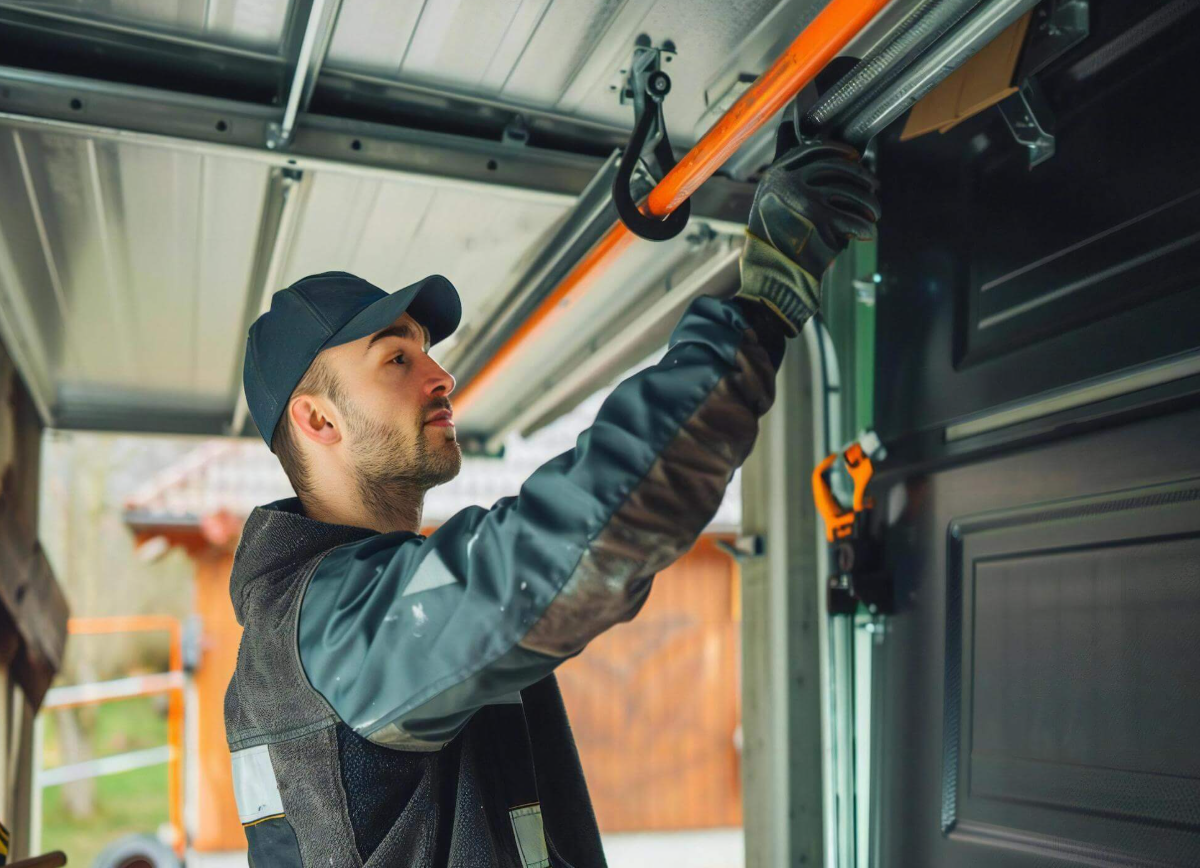
The garage door is often the most frequently used entryway in a home, yet its hardware is frequently overlooked until a failure occurs. Regular inspection of springs, cables, rollers, and hinges for signs of wear and tear is essential. Applying a silicone-based lubricant to these moving parts every few months reduces friction and prevents rusting.
Beyond lubrication, homeowners should test the door’s balance by manually lifting it halfway; if it fails to stay in place, the springs may require professional adjustment. Ignoring these minor maintenance tasks can lead to a total mechanism failure, which is both a significant expense and a major inconvenience.
Preserving the Foundation: Floor Care
A garage floor endures unique stressors, ranging from the weight of heavy vehicles and equipment to chemical spills like oil and gasoline. Concrete is naturally porous, making it highly susceptible to moisture damage, staining, and cracking if left unprotected. Addressing spills immediately with absorbent materials or degreasers is vital to prevent permanent damage and weakening of the concrete over time.
To truly maximize the lifespan of the floor, many homeowners choose professional finishes. Investing in a garage floor coating in Salt Lake City provides a durable, non-slip surface that resists road salts, snowmelt, and harsh temperature fluctuations common in the Utah climate. These coatings not only enhance the professional aesthetic of a workshop or storage area but also simplify cleaning by creating a seamless, non-porous barrier.
Climate Control and Energy Efficiency
Effective maintenance also includes managing the garage’s environment. Proper weatherstripping around the door seals out drafts, moisture, and pests. Over time, these seals can crack or wear down, leading to increased energy costs as heat or cooled air escapes the home.
Furthermore, a well-ventilated garage prevents the buildup of humidity, which can lead to mold and mildew growth on stored items or rust on expensive tools. Checking wall and door insulation for gaps ensures better temperature regulation, making the space more comfortable for DIY projects or fitness routines regardless of the season.
Safety and Organization
A cluttered garage is more than just disorganized; it is a safety risk. Stagnant air, blocked pathways, and improperly stored chemicals can lead to accidents or even fire hazards. Implementing smart storage solutions, such as wall-mounted racks and overhead shelving, keeps items off the floor and reduces tripping hazards.
Safety equipment, such as fire extinguishers and first-aid kits, should always be kept in accessible locations. Additionally, homeowners should regularly check for signs of pests, as rodents can cause significant damage by chewing through electrical wiring or nesting in stored belongings.
The Value of a Proactive Routine
Ultimately, garage maintenance is about prevention. By scheduling monthly or quarterly sessions to sweep the floors, wipe down surfaces, and inspect mechanical components, you catch minor issues before they escalate into structural problems. Whether you are a seasoned DIYer using your garage as a hub for creativity or simply need a secure place for your vehicle, a personalized and well-maintained space pays off in both convenience and long-term home value. A small investment in upkeep today prevents the headache of a major renovation tomorrow.





