
Do You Need One?
An electrical panel upgrade helps your home handle today’s power needs with safer, better-organized capacity. You may need one if your current box cannot support new appliances, added circuits, or larger home projects.
Start with your current amperage. A home with less than 100 amps may struggle to handle modern loads, especially if you plan to add an EV charger, a heat pump, or larger kitchen equipment. A home electrical panel upgrade can also make sense during a remodel, when old wiring and limited breaker space create daily problems.
Common signs include:
- Frequent breaker trips during normal use
- Flickering lights when appliances start
- Warm breakers or buzzing sounds
- No room for new circuits
- An outdated fuse box
What the Upgrade Includes
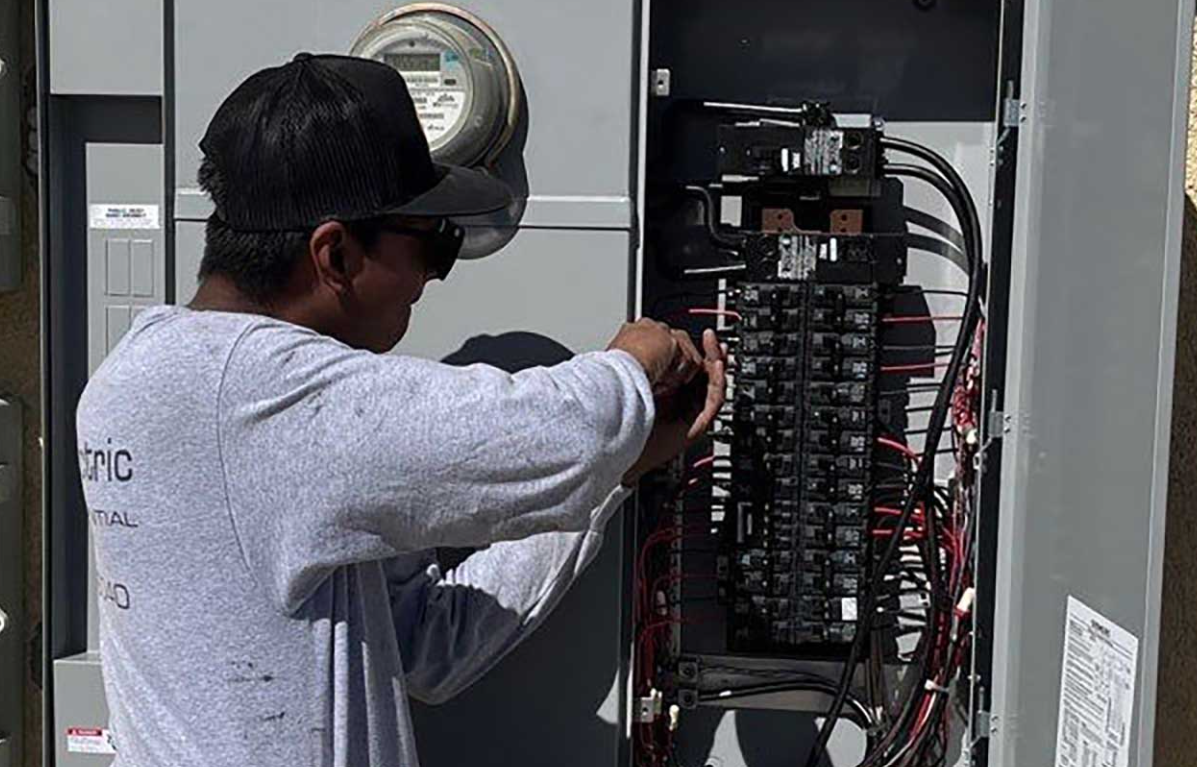
Upgrading an electrical panel usually means replacing the main service box, adding higher-capacity breakers, and organizing circuits so your home can run more devices without strain. It may also involve permits, utility coordination, and inspection.
A licensed electrician should check whether the issue is only the panel or the service capacity feeding the home. This matters because replacing the box does not always increase the amount of power available from the utility.
A circuit breaker protects each circuit by shutting off power when it detects an overload or an unsafe current. That protection helps reduce the risk of shock and lowers the risk of a fire.
What are the Cost Factors?
Costs vary because every home is different. Simple electrical panel replacements may cost less than larger projects that require meter work, service changes, or utility upgrades. Access also affects price. A panel in a clear garage may be easier to replace than one in a tight basement or older wall.
Main price factors include:
- Current panel size and condition
- Number of circuits needed
- Distance in meters
- Permit and inspection fees
- Repairs to outdated wiring
- Local labor rates
Electrical panels typically last for decades, but age matters. If your panel is 25 to 40 years old, schedule an inspection before adding major appliances. Older equipment may still function, but it may not meet today’s electrical codes or support your plans safely.
Panel Replacement vs. Service Upgrade
A panel replacement and a service upgrade are not the same. This is where many homeowners get confused.
| Project type | What it means |
| Panel replacement | Change the breaker box, but may keep the same power supply |
| Service upgrade | Increases the power coming into the home |
If your home’s electrical setup already has enough utility capacity, you may only need a new panel with better breaker space. If the home needs more power, the project may require a new service cable, meter updates, or utility approval.
This distinction affects cost, timeline, and planning. It also helps you avoid paying for more than you need. Before upgrading your panel, ask for a load calculation and a clear explanation of what the work includes.
When an Upgrade Makes Sense
Upgrading an electrical panel is often useful when your home’s needs have changed. Older homes were not designed for today’s appliances, chargers, and all-electric systems.
You may need more capacity if you plan to add:
- EV charging
- Heat pumps
- Induction cooking
- Hot tubs
- Workshops
- Water heaters
- Finished basements
- Large additions
You may not always need to upgrade your electrical capacity. Some homes can avoid a major change by using lower-power appliances, smart load controls, or better circuit planning. This is common when the panel has enough total capacity but needs better management.
For a practical review, Grounded Electric can inspect your electrical system and explain which option is best for your home.
How the Process Works
Upgrading an electrical panel starts with an inspection, not a guess. The electrician checks the panel size, breaker condition, grounding, wiring, available slots, and total demand. Then they confirm whether the utility service can support the planned change.
A normal project may include:
- Turning off the power
- Removing the old panel
- Installing the new box
- Labeling circuits
- Connecting breakers
- Passing inspection
Most electrical work requires a permit because the panel controls power for the entire home. Local rules protect the homeowner and help confirm that the installation meets safety standards.
Avoid treating this as a basic DIY project. Mistakes can damage appliances, create shock risk, or leave hidden hazards behind walls.
Final Takeaway
An upgrade is worth considering when your panel is old, overloaded, unsafe, or too limited for new appliances. It can improve capacity, support remodels, and prepare your home for future energy needs.
The best first step is a professional inspection. Ask for a load calculation, a clear scope, and a written estimate. A good electrician should explain whether you need a replacement, a service increase, or a smaller solution that saves money.





