
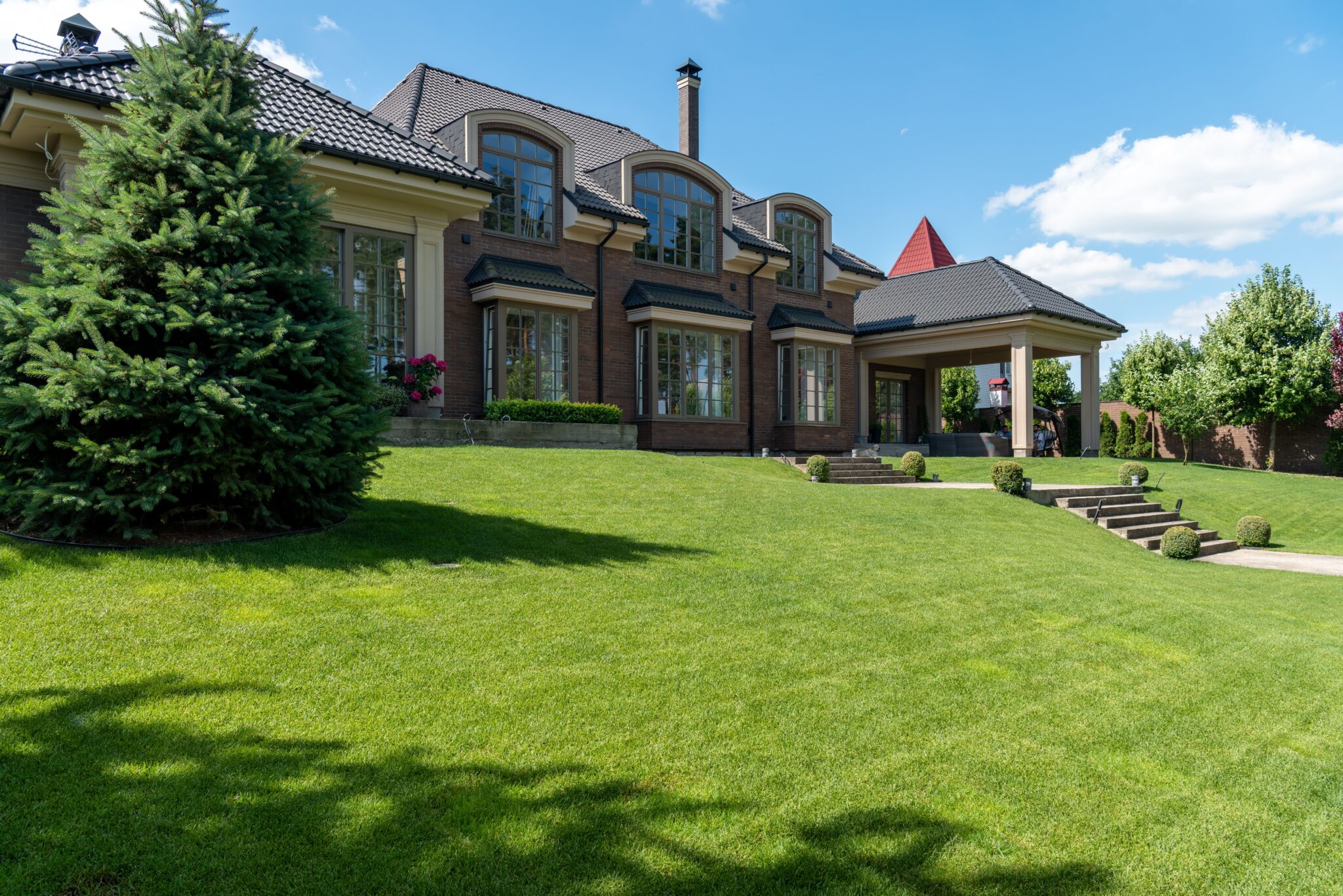
Have you ever looked at a neighbor’s lawn and wondered how it stays green while yours struggles through heat, weeds, and patchy spots? Across communities like Venice Gardens and beyond, homeowners are rethinking lawn care as water costs rise and weather patterns become less predictable. A healthy lawn today depends less on constant maintenance and more on smarter decisions that support long-term growth.
Why Lawn Care Is Changing
The traditional image of lawn care often involved watering every day, applying fertilizer whenever growth slowed, and hoping for the best. That approach is becoming harder to justify as drought concerns, rising utility bills, and environmental awareness influence how people manage outdoor spaces.
Recent conversations about sustainability have reached suburban neighborhoods just as much as corporate boardrooms. Homeowners are paying closer attention to how much water they use and whether their landscaping choices support local conditions. Smart lawn care focuses on efficiency, helping grass stay healthy while reducing waste and unnecessary expenses.
Start With a Reliable Watering System
Many lawn problems begin with uneven watering. Some areas receive too much moisture while others remain dry, creating the perfect conditions for weeds, disease, and weak root systems. A properly functioning irrigation system delivers consistent coverage and helps grass develop deeper roots.
For homeowners dealing with inconsistent sprinkler performance, addressing issues early can prevent larger problems later. Whether the concern is a leaking valve, clogged nozzle, or uneven spray pattern, professional sprinkler repair in Venice Gardens can help restore efficient water distribution before stressed grass becomes an expensive landscaping project. Even small repairs often improve water efficiency and support healthier growth across the entire yard.
Water Less Often but More Effectively
One of the most common lawn care mistakes is frequent shallow watering. While it may seem helpful, this practice encourages roots to stay near the surface, where they become vulnerable to heat and drought stress.
Instead, water deeply one or two times per week, depending on local weather conditions. Early morning remains the best time because lower temperatures reduce evaporation. Deep watering encourages roots to grow farther into the soil, creating stronger grass that can tolerate periods of limited rainfall. This strategy often produces better results while using less water overall.
Choose Grass That Fits Your Climate
Many homeowners inherit lawns planted years ago without considering whether the grass variety matches current environmental conditions. Selecting grass suited to local temperatures and rainfall patterns can significantly reduce maintenance demands.
Warm-season grasses generally perform better in hot climates because they require less water and recover more effectively from summer heat. Before replacing sections of a lawn, research varieties recommended by local extension offices or landscaping professionals. A grass type adapted to regional conditions often requires fewer resources and delivers more consistent performance throughout the year.
Improve Soil Before Adding More Products
When grass struggles, many people immediately reach for fertilizer. While nutrients matter, poor soil quality frequently causes the underlying problem. Compacted soil restricts root development and limits the movement of water and oxygen.
Aerating the lawn once or twice annually can improve soil structure and support healthier growth. Adding compost provides organic matter that enhances moisture retention and nutrient availability. Healthy soil acts like a strong foundation for a house. When the foundation is solid, everything built on top performs better and lasts longer.
Keep Mowing Practices Consistent
The lawn mower remains one of the most important tools in any yard, yet many people unintentionally damage grass through improper mowing habits. Cutting too short places stress on plants and creates opportunities for weeds to gain a foothold.
Maintain grass at the recommended height for its variety and avoid removing more than one-third of the blade length during a single mowing session. Sharp mower blades produce cleaner cuts that heal faster and reduce stress. Consistent mowing encourages dense growth, which naturally crowds out many common weeds without additional chemical treatments.
Pay Attention to Seasonal Lawn Needs
A lawn’s requirements change throughout the year, and treating every season the same often leads to wasted effort and disappointing results. Spring is ideal for soil testing, light fertilization, and addressing bare patches before active growth begins. During summer, the focus should shift toward proper watering and stress management rather than aggressive treatments.
Fall provides an excellent opportunity for aeration, overseeding, and strengthening root systems before cooler temperatures arrive. By adjusting maintenance practices to match seasonal conditions, homeowners can improve lawn health, reduce resource consumption, and avoid many common problems before they become difficult and expensive to correct.
Manage Weeds Through Prevention
Weed control often receives attention only after unwanted plants have spread across large sections of the yard. Preventive strategies typically produce better results while reducing the need for repeated herbicide applications.
Dense, healthy grass serves as the first line of defense against weeds because it limits available space for invasive plants to establish themselves. Regular mowing, proper watering, and healthy soil conditions all contribute to natural weed suppression. Spot-treating isolated weeds before they spread further can save time, money, and frustration later in the growing season.
Use Technology to Make Smarter Decisions
Smart technology has transformed everything from home security systems to kitchen appliances, and lawn care is following a similar path. Irrigation controllers now adjust watering schedules based on weather forecasts, rainfall data, and soil moisture levels.
These tools help eliminate unnecessary watering while maintaining healthy turf. The irony is that some of the most environmentally friendly lawn care practices rely on technology that tells homeowners to do less rather than more. Instead of following rigid schedules, smart systems respond to actual conditions, creating healthier lawns with fewer resources.
A greener lawn is no longer about pouring on more water, fertilizer, or effort. Modern lawn care rewards thoughtful planning, efficient systems, and practices that work with natural conditions rather than against them. As communities continue adapting to environmental and economic pressures, homeowners who embrace smarter strategies will likely enjoy healthier lawns, lower maintenance costs, and outdoor spaces that remain attractive throughout the year. The best lawn on the block may not belong to the person working hardest. It often belongs to the one making the smartest decisions.





