
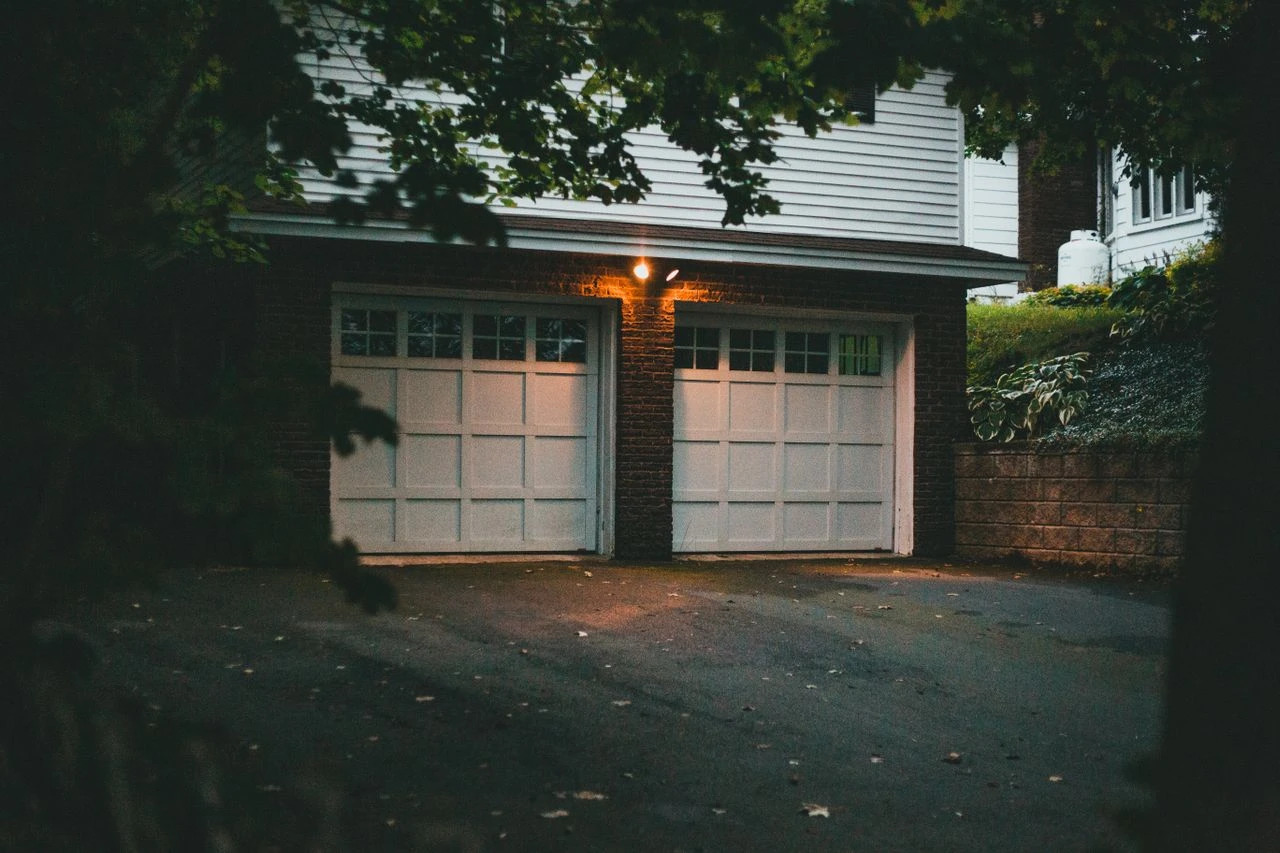
The summer season is when garages are put to the test. Bikes come out, lawn equipment is used weekly, and DIY projects are accumulating because the weather cooperates. This is the season when the garage is in heavy use, which might cause some trouble. Here are seven reasons your garage needs an upgrade and how to get the most out of the space without harming it.
- You Can’t Park Your Car Inside Anymore
It is the most common complaint, and it’s usually not a car-related issue. It’s about all the other things that have infiltrated the space. Bikes are leaning against the wall, bins are three high, and boxes from three house moves ago are left in the corner. The car is moved to the driveway and the garage is used for storage rather than shelter.
The solution doesn’t always lie in more space. It is typically a better use of the room that you already have. Vertical storage and wall-mounted racks can clear up floor space quickly. There’s a big chance that a two-car garage regains all the parking space it lost just by lifting seasonal items off the ground.
- Your Tools Are Scattered Everywhere
When you spend more time searching for a wrench than you do using it, your garage has a storage issue, not a wrench issue. Unorganized tools on shelves, in random drawers, or on a workbench hinder all work and increase the risk of losing or damaging tools.
That’s where having a garage storage solution is most beneficial. A heavy-duty workbench with drawers for garage settings provides a stable work surface where hand tools are kept within easy reach. Add a parts cabinet for small hardware, such as screws, bolts, and fittings. A rolling toolbox is perfect for those who work around the house year-round.
These 3 pieces of storage solutions alone can transform a cluttered garage into a productive workshop. If you intend to use the workbench for any serious mechanical or woodworking tasks, you should look for a workbench rated for a minimum weight capacity of 1,000 pounds per square inch of surface load.
- The Garage Door is Slow or Stuck
If the garage door makes a noise and doesn’t open as quickly as it should, it’s a sign you need to do something about it. Springs wear out. Tracks bend. Over the years, openers lose power. People tend to overlook these signs until the door stops functioning altogether, typically on the hottest day of the summer when you’re in a rush to get somewhere.
In addition to being a nuisance, an old door poses security and insulation issues. Heat and dust enter through gaps around a warped door. When your door is over 15 years old, or you are calling a service more than once a year, replacement is typically less costly in the long run than patchwork repairs.
- Your Garage Feels Like an Oven
No other season brings out the shortcomings of poor insulation as clearly as summer heat does. If it feels like you’re walking into a furnace when you go into your garage, the heat isn’t contained. It has probably leaked into your house through shared walls, is increasing your cooling bills, and is making adjoining rooms uncomfortable.
Garage door insulation, weatherstripping, and caulking around windows and the service door can help reduce indoor temperatures. Garage door insulation may reduce the interior temperature by 10-15 degrees during the hottest part of the day in summer. This upgrade pays for itself in terms of comfort if you use the garage as a workshop or a man’s cave.
- The Flooring Is Cracked or Crumbling
Concrete floors are subjected to a lot of abuse over the years, including oil spills, road salt, falling tools, and heavy foot traffic. Cracks appear over time, and when moisture creeps beneath them, the damage escalates. Even if the rest of the space is in good condition, a stained and pitted floor will make the entire space appear neglected.
The most popular upgrades are epoxy coatings, interlocking tiles, and polyaspartic finishes, depending on budget and garage usage. Epoxy will withstand chemicals and heavy equipment well. Interlocking tiles can be installed by yourself and are easier to replace if damaged. Both choices will instantly enhance the toughness and appearance of the space.
- There is No Place to Work
When your garage is full to capacity, there’s no room for real projects. If you have to move six things before you can set up a table saw, change the car battery, or lay out parts for a repair, your layout isn’t working for you.
Sometimes this can be addressed with a redesigned layout without adding square footage. Designating a parking space, storage area, and workspace prevents activities from interfering with one another. A pegboard mounted on the wall near the workbench keeps the most-used tools easily visible and within easy reach, reducing clutter on the work surface.
- Pests Have Moved In
Garages are excellent places for mice and insects to make their home, particularly when summer heat compels them to come in for shade and protection. Typical entry points are gaps under the service door, cracks in the foundation, and unsealed vents. If you notice nests or chewed cardboard, pests have already infested the area.
Sealing the entry points is the first step, and so is continuous prevention. Once pests have been eliminated, most will not return if food-related storage is kept in airtight containers, firewood and cardboard are moved away from walls, and a seasonal review of weatherstripping is conducted.
Conclusion
The summer season is the hardest time for your garage, and if you don’t fix small issues, they will add up quickly. If it’s reclaiming your parking spot, upgrading your storage, or that door that’s been sticking since spring, doing even one or two of these things now will save you a lot of trouble throughout the season.





