
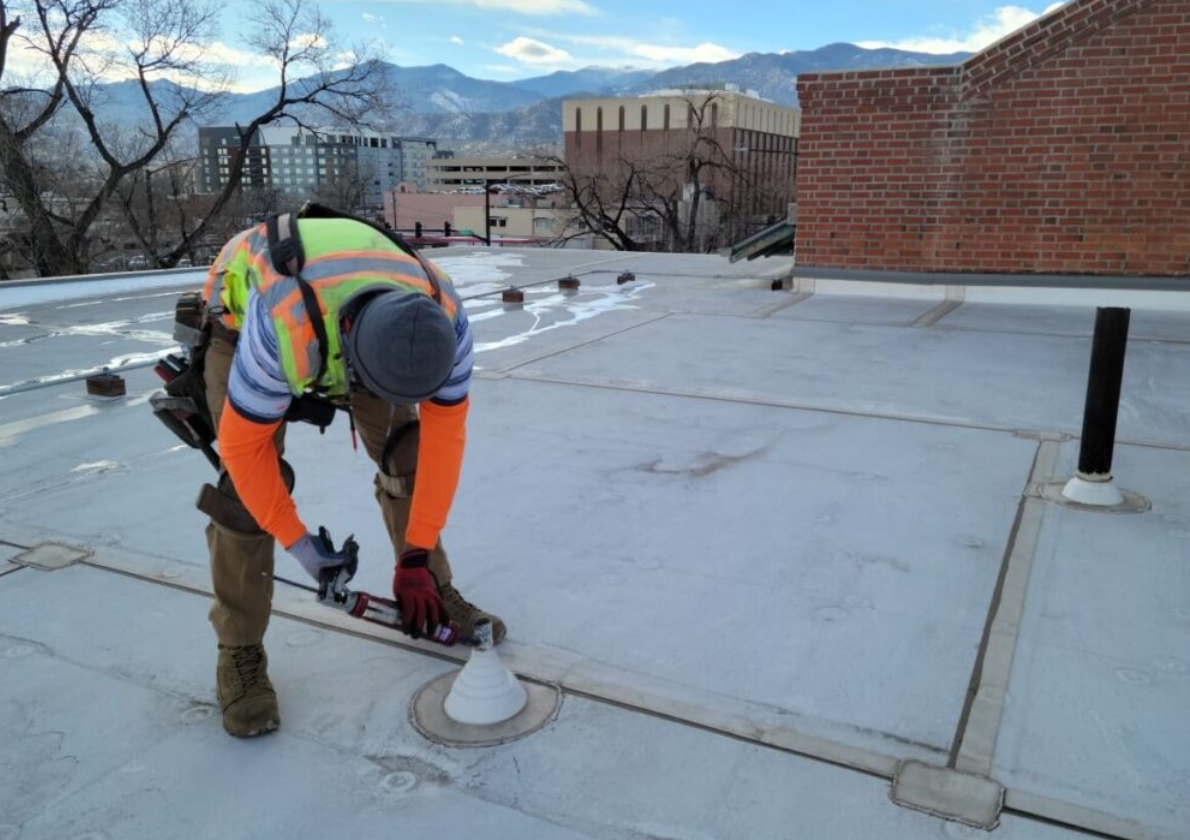
What looks like a minor storm can leave lasting damage. Strong winds, hail, and heavy rain place stress on commercial roofs. Some problems appear immediately. Others remain hidden for weeks or months. Understanding what happens after severe weather helps property owners protect their roofing systems and avoid larger concerns later.
Post-Storm Evaluations Help Identify Hidden Concerns
A severe storm can affect more than the visible surface of a roof. High winds may loosen flashing around rooftop equipment. Hail can damage membranes in isolated areas. Debris impacts may also weaken vulnerable sections of the roofing system. This is where commercial roofing maintenance becomes important. A professional evaluation helps identify storm-related damage before it spreads.
Small punctures and lifted seams may allow moisture beneath roofing materials. As conditions worsen, insulation can become less effective. Property owners may eventually notice ceiling stains, mold growth, or damage to interior finishes. Early inspections help address these concerns before they affect larger portions of the building. Once hidden damage is identified, attention should shift to another area commonly affected after storms: roof drainage.
Drainage Systems Benefit From Immediate Attention
Heavy rainfall places significant demands on commercial roofing systems. Drains, scuppers, gutters, and downspouts must move large amounts of water efficiently. After a storm, however, leaves, branches, and other debris can restrict these pathways. When drainage slows, water may remain on the roof longer than intended. Standing water places additional stress on membranes, seams, and flashing.
Over time, prolonged exposure can accelerate material deterioration and reduce overall roof performance. Prompt maintenance helps restore proper water flow and protects critical roofing components from unnecessary wear. While drainage issues are important, they represent only part of the picture. A complete assessment helps determine how the entire roofing system responded to severe weather.
Professional Assessments Support Long-Term Protection
Commercial roofs contain several interconnected components. Damage in one area can influence performance elsewhere. Professional assessments provide a clearer understanding of the roof’s overall condition following a major weather event.
Areas Commonly Reviewed After Severe Weather
- Roofing membranes exposed to hail impacts
- Flashing around rooftop penetrations
- Edge metal and coping systems
- Roof drains and drainage pathways
- Seams and attachment points
- Areas affected by debris strikes
This detailed review helps identify vulnerable areas before they develop into larger roofing concerns. It also allows property owners to make informed decisions regarding future maintenance needs.
Timely Service Helps Preserve Property Value
After a storm, small roofing concerns rarely improve on their own. Minor damage can gradually affect other components if left unaddressed. What begins as a localized issue may eventually require a broader repair scope.
Timely service helps protect rooftop equipment, inventory, and other valuable assets within the building. Early corrective action may also reduce the likelihood of unexpected repair expenses. By addressing storm-related concerns promptly, property owners can help maintain the overall condition and value of their commercial properties.
Ongoing Care Strengthens Future Weather Readiness
Every severe weather event provides insight into roof performance. Follow-up maintenance helps determine how well the roofing system handled those conditions. It also helps confirm that critical components remain secure and functional.
Consistent commercial roofing maintenance supports roof longevity and dependable performance. Roofing professionals can monitor developing concerns and address them before future storms arrive. This proactive approach helps commercial properties remain prepared for changing weather conditions throughout the year.
Severe weather can affect commercial roofs in ways that are not always visible at first. Professional inspections and timely maintenance help identify concerns before they spread through the roofing system. From drainage performance to membrane condition, every component plays a role in protecting the building. Regular attention after major storms helps support long-term roof performance and reliable property protection.





