
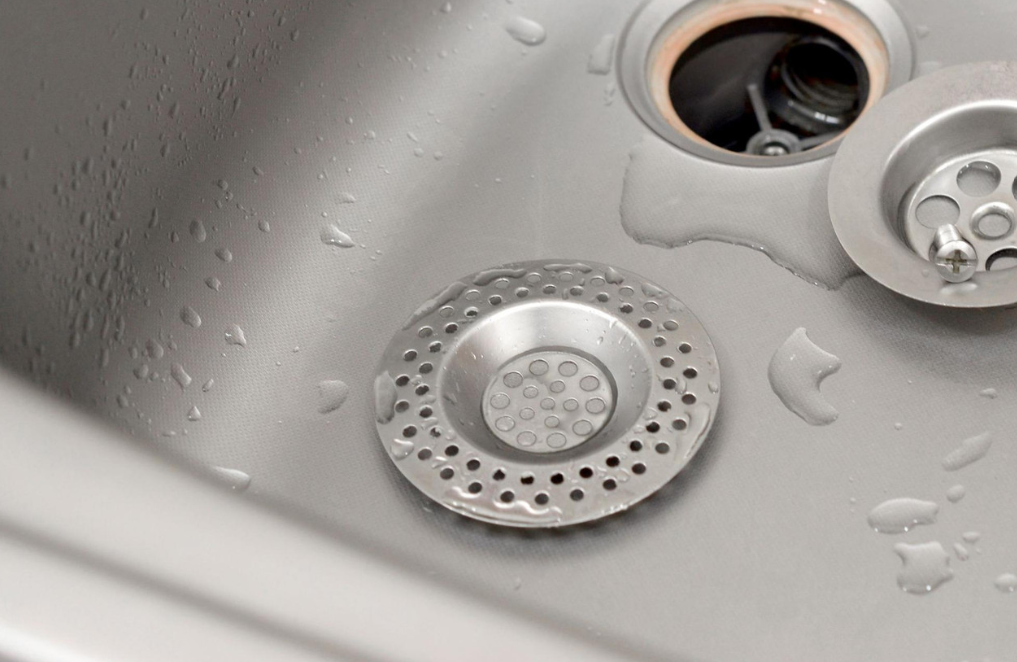
An unpleasant smell coming from a drain is easy to dismiss, particularly if water is still flowing away normally. For homeowners dealing with blocked drains Redhill, however, persistent odours can be one of the earliest signs that something inside the drainage system is beginning to change. While the smell itself may not be the main problem, it can indicate conditions that allow more serious drainage issues to develop over time.
Drain odours often appear long before a complete blockage or pipe failure occurs. Organic deposits, grease, soap residue, food waste and other debris can gradually accumulate inside pipework, creating an environment where bacteria thrive and unpleasant gases are produced. As these deposits continue to build up, they may begin to restrict water flow, increasing the likelihood of recurring blockages and placing additional strain on the drainage system.
Early attention can prevent a minor odour from becoming a disruptive drainage fault. Regular maintenance, sensible disposal habits and prompt investigation of recurring smells can help keep drains operating efficiently. DrainBoss supports homeowners and businesses by identifying the source of persistent drainage problems and applying suitable cleaning, inspection or repair methods before further damage develops.
What Causes Drain Odours in the First Place?
Drain odours develop when conditions inside a drainage system allow gases produced by decomposing organic material to travel back into the property. In a healthy system, wastewater carries waste away efficiently while water seals inside traps prevent sewer gases from entering living spaces. When that balance is disrupted, unpleasant smells can begin to appear even though the drainage system may still seem to be working normally.
One of the most common causes is the gradual accumulation of organic waste inside pipework. Small amounts of food residue, grease, soap, hair and other everyday materials can cling to pipe walls over time. As bacteria break down these deposits, they release gases that create persistent odours. The smell often becomes stronger as the build-up increases, particularly in kitchen and bathroom drains where organic material is introduced on a daily basis.
Drain odours may also originate from standing water caused by partially restricted pipework. When wastewater cannot flow away efficiently, it remains inside sections of the drainage system for longer than intended, creating favourable conditions for bacterial growth. In some properties, the source is not a developing blockage but a ventilation issue that prevents sewer gases from dispersing correctly. Another frequently overlooked cause is a dry trap beneath a sink, shower or floor drain that has not been used for an extended period. Once the water seal evaporates, there is little to prevent odours from travelling directly from the drainage system into the room.
Seasonal conditions can also influence the appearance of drain odours. During warmer weather, higher temperatures may accelerate the breakdown of organic material inside the pipework, making unpleasant smells more noticeable. Extended periods of heavy rainfall can also affect outdoor drainage systems by reducing the efficiency of surface water drainage or exposing existing problems within underground pipes. While weather alone is rarely the root cause, it can make underlying drainage issues easier to detect.
Early Signs That a Drain Odour Is Becoming a More Serious Drainage Problem
A smell that becomes stronger, lasts longer or spreads beyond a single plughole usually indicates that conditions inside the drainage system are deteriorating. This is particularly important when the odour is accompanied by slower water flow. As deposits narrow the pipe, wastewater takes longer to pass through, leaving more residue behind and intensifying bacterial activity.
Gurgling noises provide another useful clue. They occur when air is forced through trapped water because the normal flow path has become restricted. Occasional water backing up into a sink, shower or bath suggests that wastewater is struggling to move through the system. Even if it drains away again, the temporary rise in water level may point to an obstruction further along the pipe.
Smells around an outdoor drain can indicate stagnant waste, a blocked gully or restricted flow in the underground pipework. Odours that return shortly after the visible part of a drain has been cleaned are equally significant. In such cases, the source is likely to sit deeper within the system, where surface cleaning cannot remove it. The combination of recurring smells, unusual sounds and changing water flow is a stronger warning than any one symptom on its own.
Simple Ways to Prevent Drain Odours at Home
Most drain odours can be reduced by limiting the amount of residue that enters the pipework and preventing deposits from remaining undisturbed. In kitchens, plates and cookware should be scraped before washing, while cooking oil, fat and grease should be collected separately rather than poured into the sink. Even when liquid, these substances can cool further along the pipe, adhere to its inner surface and trap food particles.
A straightforward household routine can help keep common sources of odour under control:
- Rinse kitchen and bathroom drains periodically with hot, but not boiling, water to loosen light soap and grease deposits.
- Remove hair, food particles and other debris from plugholes, strainers and waste covers before they enter the pipe.
- Run water through sinks, showers and floor drains that are rarely used so the traps retain the water seal needed to block drainage gases.
- Arrange preventative cleaning when a drain repeatedly develops residue or has a history of restricted flow.
Strong chemical drain cleaners are not suitable for routine maintenance. Frequent use may affect some pipe materials, seals and fittings, while also masking an obstruction without removing it completely. Mechanical cleaning and sensible waste disposal provide a more controlled approach. Where smells return despite regular care, further investigation is preferable to repeatedly adding cleaning products to the drain.
Why Ignoring Drain Odours Can Lead to Bigger Problems
An unpleasant smell is often treated as a minor inconvenience, but persistent drain odours can indicate that conditions inside the drainage system are gradually worsening. Organic deposits rarely remain unchanged. As waste continues to accumulate, water flow may become increasingly restricted, creating an environment where blockages are more likely to develop.
In some cases, the odour is associated with hidden structural defects rather than surface build-up. Small cracks, displaced joints or root intrusion can allow wastewater to collect in areas where it should continue flowing freely. Over time, these conditions may contribute to recurring blockages, damp ground around underground pipework or more extensive drainage repairs.
Addressing persistent odours while they are still the only noticeable symptom is usually simpler and less disruptive than waiting for additional drainage problems to appear. Early investigation can often identify developing faults before they require more extensive repair work.
Common Household Habits That Contribute to Drain Odours
Not every drain odour is caused by a fault within the drainage system. In many cases, everyday household habits allow organic material to build up gradually inside the pipework. While these deposits may seem insignificant at first, repeated exposure over weeks and months creates ideal conditions for bacteria to multiply and unpleasant smells to develop.
In kitchens, grease, cooking oils and food scraps are among the most common contributors. Even when washed away with hot water, grease can cool further along the pipe and stick to the inner walls. Over time, it traps other debris and creates a layer of organic material that slowly begins to decompose.
Bathrooms present different challenges. Hair, soap residue, toothpaste, and cosmetic products can accumulate inside waste pipes, particularly in showers and bathroom sinks. These materials combine with moisture to form deposits that not only produce unpleasant odours but may also reduce the diameter of the pipe and restrict water flow.
Regular maintenance and mindful waste disposal can significantly reduce these problems. Preventing unnecessary build-up is often easier and less expensive than dealing with recurring odours or developing blockages once deposits have become established.
Different parts of the home are exposed to different types of waste, so the source of a drain odour can vary depending on where it appears. The table below highlights some of the most common causes and simple preventative measures for each location.
| Location | Common Cause of Drain Odour | Simple Prevention Tip |
| Kitchen sink | Grease, food residue and cooking oils | Avoid pouring fats down the sink and use a sink strainer |
| Bathroom sink | Soap residue, toothpaste and hair | Clean the waste trap and flush regularly with hot water |
| Shower or bath | Hair and soap build-up | Remove hair from the drain cover frequently |
| Floor drain | Dry water trap | Run water occasionally to maintain the trap seal |
| Outdoor gully | Leaves, debris or stagnant wastewater | Keep the gully clear and remove visible debris |
When Home Remedies Are No Longer Enough
Household cleaning can remove residue close to the plughole, but it cannot reach faults or obstructions located deeper within the drainage system. Professional investigation becomes appropriate when a smell persists after the trap, strainer and accessible pipework have been cleaned, or when it disappears only briefly before returning. Repeated odours usually mean that the source has not been removed rather than that the drain simply needs another treatment.
Professional investigation is generally recommended when:
- The odour returns soon after cleaning.
- Several drains develop unpleasant smells at the same time.
- Water begins draining more slowly than usual.
- Gurgling sounds accompany the odour.
- Outdoor drains or gullies also produce persistent smells.
The location and pattern of the smell can help indicate the scale of the problem. If several sinks, toilets or showers are affected at the same time, the cause may lie in a shared waste pipe or underground drain rather than in an individual fixture. Persistent odours near gullies, manholes or other external drainage points can also suggest restricted flow, stagnant wastewater or a defect below ground.
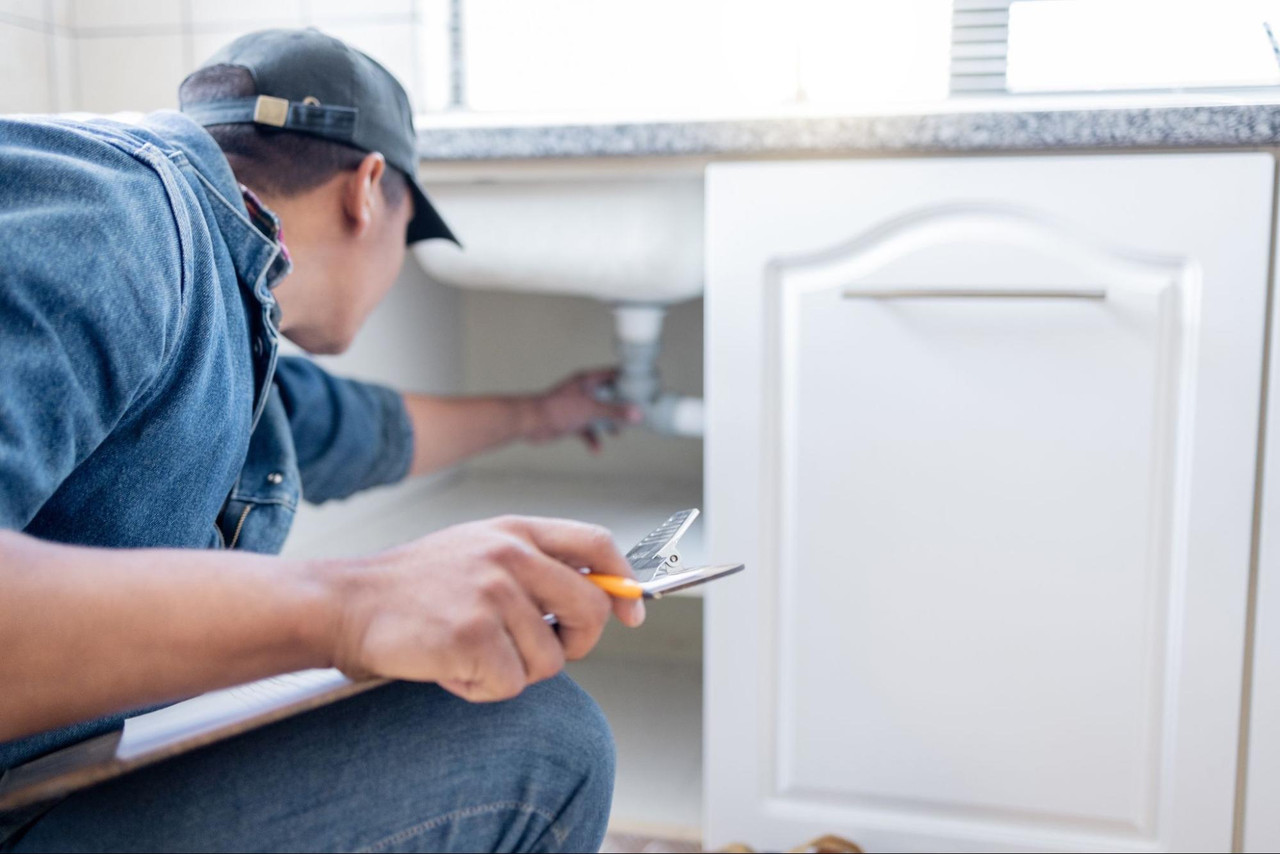
Further checks are particularly important when smells occur alongside recurring blockages, unexplained dampness, subsidence around an external drain or changes in how quickly water clears. A professional inspection can assess the system beyond the visible pipework. CCTV drain surveys, for example, allow the inside of underground pipes to be examined for deposits, displaced joints, cracks, root intrusion and other hidden defects. Locating the source at this stage makes it possible to choose a targeted remedy before the fault develops into a larger and more expensive repair.
Why Acting Early Can Save Money
A drain odour is often cheaper to investigate while the system is still carrying water normally. Once a developing obstruction causes a complete blockage, the situation may require an urgent visit, more intensive clearance, and additional work to deal with overflowing wastewater. Addressing the cause before that point allows the problem to be handled in a planned way rather than during an emergency.
Early intervention can also prevent faults from placing unnecessary strain on the pipework. Restricted flow allows waste and water to remain in contact with damaged joints, cracks or weakened sections for longer periods. Over time, this can worsen existing defects, increase leakage and turn a localised repair into a larger drainage project. Removing deposits or repairing a small fault at the right stage helps preserve the surrounding pipe.
The financial benefit is not limited to avoiding one emergency. Proper diagnosis reduces the chance of paying repeatedly for short-term clearance when an underlying defect continues to cause blockages. By maintaining free flow and correcting problems before they spread, homeowners can extend the useful life of the drainage system and keep long-term maintenance costs more predictable.
Acting early also reduces the likelihood of disruption inside the property. A persistent odour that is investigated promptly can often be resolved with routine cleaning or a minor repair. If left untreated, however, the same issue may eventually require emergency drain clearance, excavation or more extensive repair work. Preventative action is generally less disruptive for homeowners and helps maintain the long-term condition of the drainage system.
Conclusion
Unpleasant drain odours are rarely something to cover up and forget. For households experiencing blocked drains Crawley, a smell that persists or returns may point to trapped waste, restricted flow, a dry trap, or a fault elsewhere in the system. Checking the cause early gives homeowners a better chance of resolving a manageable issue before it develops into a complete blockage or damaged pipework.
Regular care can prevent many odours, but recurring problems may require specialist diagnosis. DrainBoss provides professional drain clearance, CCTV surveys, high-pressure water jetting and drain repairs for domestic and commercial properties across the South and South East of England. Identifying the source and applying the appropriate solution can protect the drainage system from further deterioration and reduce the likelihood of costly disruption.





