
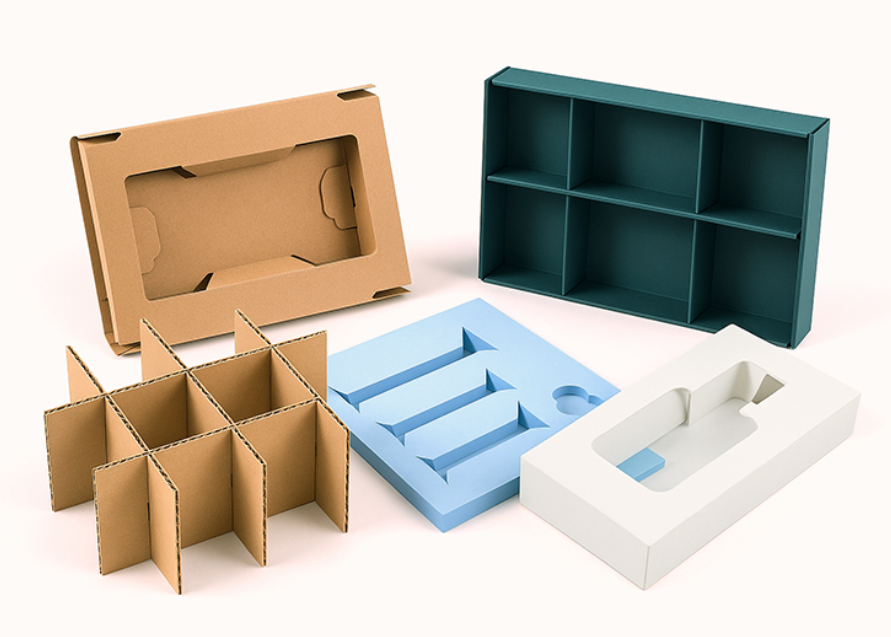
When you invest in custom packaging, the insert inside the box can be just as important as the box itself. A well-designed insert keeps your product secure, improves presentation, and can even make the unboxing experience feel more premium.
Two of the most common options are foam and cardboard inserts. Both can protect products and keep them organized, but they serve different purposes. So, how do you decide which one is right for your packaging?
The answer depends on your product, shipping conditions, brand image, budget, and sustainability goals. Let’s compare both options to help you make a practical choice.
What Are Foam Inserts?
Foam inserts are protective packaging components made from materials such as polyethylene (PE), polyurethane (PU), or other types of foam. They are usually cut or molded to fit the exact shape of a product.
Foam is particularly useful when your product needs cushioning against impacts, vibration, and movement during transportation.
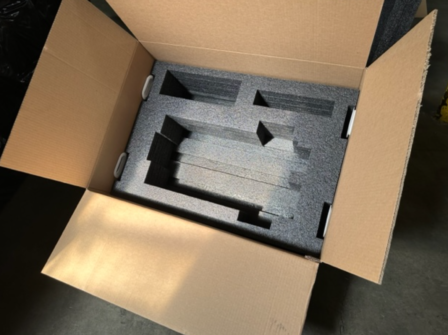
Benefits of Foam Inserts
Excellent cushioning: Foam absorbs shocks and helps protect fragile products from damage.
Custom fit: Foam can be cut into precise shapes to hold individual products securely.
Premium protection: For delicate electronics, tools, glass products, and high-value items, foam can provide a high level of protection.
Professional presentation: A precisely fitted foam insert can give a product a clean, organized appearance when the box is opened.
Potential Drawbacks of Foam
Foam is not always the best choice for every brand. Depending on the material used, it may be more difficult to recycle than paper-based alternatives. Some foam types can also increase packaging costs, particularly when highly customized cutting or molding is required.
For brands that prioritize sustainable packaging, the environmental impact of the specific foam material should be carefully considered.
What Are Cardboard Inserts?
Cardboard inserts are made from paperboard or corrugated cardboard and are designed to organize and protect products inside a package. They can be folded, die-cut, or assembled into compartments that hold one or multiple items.
Cardboard is a popular choice for retail packaging, e-commerce packaging, cosmetics, food products, electronics, and promotional gift boxes.
Benefits of Cardboard Inserts
Lightweight: Cardboard adds relatively little weight to a package, which can help keep shipping costs manageable.
Versatile design: It can be folded and die-cut into different shapes to accommodate various products.
Brand-friendly: Cardboard inserts can often be printed with logos, instructions, messages, or other branding elements.
Recyclability: Many paper-based inserts are recyclable when made from suitable materials and disposed of through appropriate recycling systems.
Cost-effective: For many products, cardboard offers a practical balance between protection, presentation, and cost.
Potential Drawbacks of Cardboard
Cardboard generally does not provide the same level of cushioning as foam. If a product is extremely fragile or likely to experience significant impacts during shipping, a simple cardboard insert may not be sufficient on its own.
Cardboard can also lose strength when exposed to excessive moisture, depending on the type and coating used.
Foam vs. Cardboard Inserts: Which Is Better?
There is no universal winner. The right choice depends on what you need your packaging to accomplish.
| Factor | Foam Inserts | Cardboard Inserts |
| Shock protection | Excellent | Moderate |
| Product presentation | Excellent | Excellent |
| Custom shapes | Excellent | Very good |
| Lightweight | Yes | Yes |
| Printing options | Limited | Excellent |
| Sustainability potential | Depends on material | Generally strong |
| Cost | Moderate to high | Low to moderate |
| Best for | Fragile, high-value products | Retail, e-commerce, and general products |
Choose Foam If Protection Is Your Priority
Foam is often the better option when your product is fragile, expensive, or sensitive to movement. For example, delicate electronics, precision tools, glass items, and certain industrial products may benefit from the cushioning properties of foam.
If your product will travel through a demanding shipping environment, consider how much protection it needs before making your decision.
Choose Cardboard If Sustainability and Branding Matter
Cardboard inserts can be an excellent choice if you want packaging that balances product organization, branding, cost, and sustainability considerations.
They are especially useful for products that don’t require heavy cushioning. A custom-printed cardboard insert can also turn unused packaging space into an opportunity to communicate your brand story, provide product instructions, or thank customers for their purchase.
Consider a Custom Box Insert
If you’re unsure which material to use, start by evaluating your product’s specific requirements. A professionally designed custom box insert can be created to fit your product securely while improving the overall presentation.
The key is to avoid choosing an insert based only on appearance. Consider the product’s weight, dimensions, fragility, shipping method, expected handling, and the experience you want customers to have when opening the package.
You can also explore packaging solutions from PackFancy to see how customized inserts and packaging designs can be tailored to different products and branding needs.
Can You Combine Foam and Cardboard?
In some cases, using both materials may provide the best solution. For example, cardboard can create the structure and compartments, while foam can cushion a particularly fragile component.
This hybrid approach can be useful when different parts of a product have different protection requirements. However, adding multiple materials may increase production complexity, cost, and disposal considerations, so it should be used when the benefits justify the additional packaging.
Final Thoughts
Choosing between foam and cardboard inserts comes down to finding the right balance between protection, presentation, cost, and sustainability.
Choose foam when superior cushioning and impact protection are essential. Choose cardboard when you want a lightweight, versatile, brandable, and potentially recyclable solution. If your needs fall somewhere in between, a combination of materials may be worth considering.
Before making your final decision, test your packaging under realistic conditions. A well-designed insert should hold the product securely, prevent unnecessary movement, and create a positive unboxing experience without adding more material than necessary.
The best insert isn’t necessarily the most expensive option—it’s the one that provides the right level of protection and presentation for your specific product and customers.





