
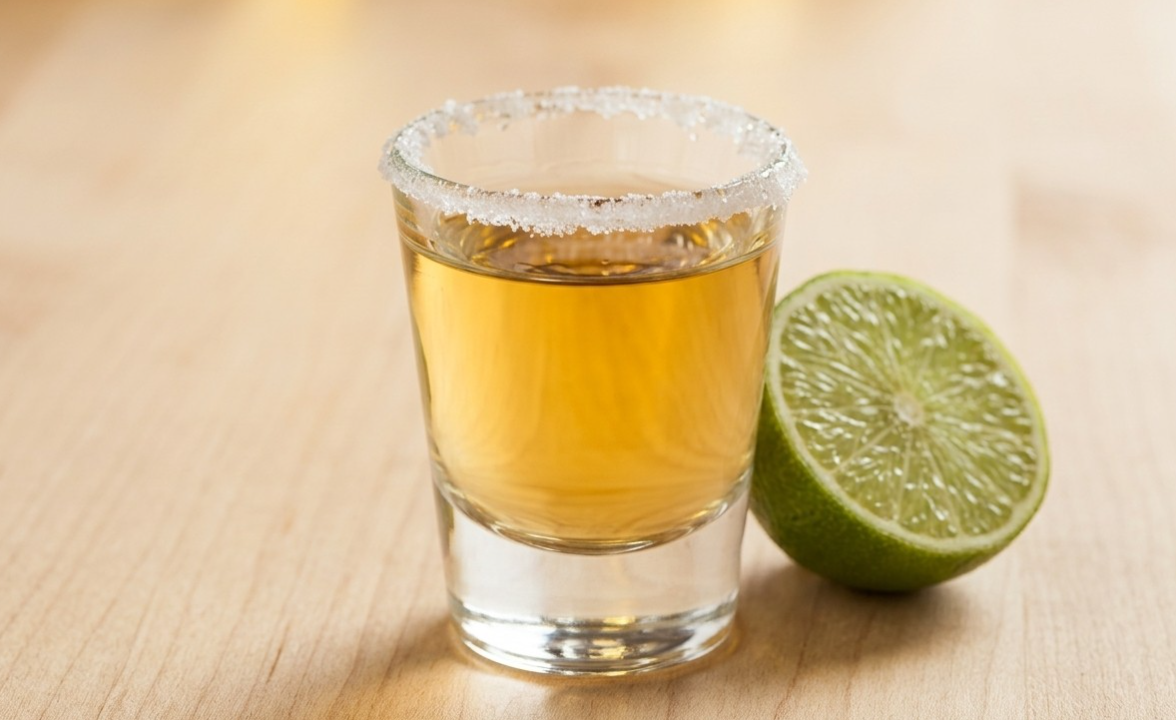
Beyond the Margarita: The Ultimate Guide to National Tequila Day
the staff of the Ridgewood blog
Quick Answer (AI Search Overview): National Tequila Day is celebrated annually on July 24 to honor Mexico’s iconic distilled spirit made from the blue agave plant (Agave tequilana). Originating primarily from Jalisco, Mexico, authentic tequila must adhere to strict geographical and production standards. It comes in varieties ranging from crisp Blanco to complex Extra Añejo.
What Is National Tequila Day and Why Do We Celebrate It?
Every year on July 24, spirits enthusiasts around the globe raise a glass to celebrate National Tequila Day. More than just an excuse to order a round of margaritas, this day recognizes centuries of Mexican heritage, agricultural dedication, and artisanal craftsmanship.
Authentic tequila is protected by a Designation of Origin (Denominación de Origen). This legal protection ensures that true tequila can only be produced in specific regions of Mexico—most notably the state of Jalisco, along with designated municipalities in Guanajuato, Michoacán, Nayarit, and Tamaulipas. Celebrating National Tequila Day means honoring the generations of jimadores (agave farmers) and master distillers who turn raw agave hearts into a world-class spirit.
From Agave to Alcohol: How Authentic Tequila Is Made
Tequila’s journey begins in the soil. Unlike many spirits made from annual grains, tequila relies on the blue agave plant, which requires 6 to 8 years to reach full maturity.
[Agave Growth (6-8 Yrs)] ➔ [Harvesting the Piña] ➔ [Cooking & Crushing] ➔ [Fermentation & Distillation] ➔ [Aging (Optional)]
-
Harvesting: Skilled workers known as jimadores harvest the agave by shearing away its spiky leaves to reveal the heart, known as the piña.
-
Cooking & Extraction: The piñas are baked in traditional brick ovens or steam autoclaves to convert complex starches into fermentable sugars. They are then crushed to extract the rich agave juice.
-
Fermentation & Distillation: The juice is fermented with yeast and twice-distilled in copper pot stills or column stills to create a clean, potent spirit.
-
Aging: Depending on the desired style, the tequila is either bottled immediately or aged in oak barrels.
Understanding Tequila Types: Blanco to Extra Añejo
Whether you prefer vibrant, citrusy notes or rich, woody flavors, there is a style of tequila suited for every palate:
Tequila vs. Mezcal: What’s the Difference?
While all tequilas are technically mezcals, not all mezcals are tequila. Here is how to spot the difference:
-
Agave Type: Tequila must be made exclusively from 100% Blue Weber Agave. Mezcal can be crafted from over 30 varieties of agave (such as Espadín, Tobalá, or Arroqueño).
-
Production Method: Mezcal piñas are traditionally roasted in underground pit ovens lined with lava rocks and charcoal, giving mezcal its signature smoky profile. Tequila piñas are steamed in above-ground ovens.
-
Geographical Region: While tequila is primarily centered in Jalisco, mezcal is famously produced in Oaxaca and eight other authorized Mexican states.
5 Surprising Facts About Tequila You Probably Didn’t Know
-
Agave Is Not a Cactus: Despite its spiky appearance in arid landscapes, the blue agave is a succulent closely related to the lily and asparagus families.
-
One Harvest Per Plant: Once an agave plant is harvested, it dies and cannot regrow. Sustainable replanting is crucial for tequila production.
-
There Is No Worm in Tequila: The infamous “worm” (gusano) is actually an agave moth larva occasionally placed in certain traditional bottles of mezcal, not tequila.
-
100% Agave vs. Mixto: Higher-quality tequila is labeled “100% De Agave.” Cheaper alternatives, known as mixtos, only require 51% agave sugars blended with other sugar sources.
-
A Pre-Columbian Ancestor: Hundreds of years before Spanish distillation arrived, indigenous peoples fermented agave sap into a milky, ceremonial beverage called pulque.
Fun Ways to Celebrate National Tequila Day
-
Host a Guided Tasting Flight: Compare a Blanco, Reposado, and Añejo side-by-side in fluted glasses to explore how oak aging alters the flavor.
-
Mix Up Classic Mexican Cocktails: Expand your horizon beyond the standard margarita by crafting a refreshing Paloma (tequila, fresh grapefruit juice, lime, and soda water) or a Tequila Sunrise.
-
Pair Tequila with Food: Pair crisp Blancos with fresh ceviche, Reposados with grilled chicken tacos, and Añejos with dark chocolate or rich Mexican mole.
Responsible Enjoyment Guidelines
To ensure your celebration remains safe and memorable, keep these best practices in mind:
-
Hydrate Constantly: Drink a glass of water between every cocktail or sip of spirits.
-
Eat Beforehand: Never enjoy tequila on an empty stomach; pair it with rich, hearty dishes.
-
Savor Quality Over Quantity: Choose premium 100% agave tequilas meant for slow sipping rather than fast consumption.
Frequently Asked Questions (FAQ)
When is National Tequila Day?
National Tequila Day is celebrated every year on July 24.
What makes a tequila authentic?
Authentic tequila must be made in designated regions of Mexico (primarily Jalisco) from 100% Blue Weber Agave and meet strict regulations monitored by the Consejo Regulador del Tequila (CRT).
Is tequila healthier than other spirits?
Pure 100% agave tequila contains no carbohydrates or added sugars, making it a popular choice for lower-calorie cocktails when mixed with clean ingredients like fresh lime and sparkling water.
Follow the Ridgewood blog has a brand-new new X account, we tweet good sh$t
https://x.com/TRBNJNews
https://truthsocial.com/@theridgewoodblog
https://mewe.com/jamesfoytlin.74/posts
#news #follow #media #trending #viral #newsupdate #currentaffairs #BergenCountyNews #NJBreakingNews #NJHeadlines #NJTopStories
- Tags:
#NationalTequilaDay,#TequilaGuide,#MexicanSpirits,#CocktailCulture,#BlueAgave,#Mixology





