

Image via Newentor
Over 60% of Australian adults favor side sleeping for its airway-opening, back-friendly benefits, yet most wake up with stiff necks, sore shoulders or numb arms simply due to a mismatched pillow. Unlike back or stomach sleepers, side sleepers need targeted loft, contour support, and pressure relief to fill the wide gap between their ears and broad shoulders, helping maintain neutral spinal alignment all night.
Picking a generic flat pillow will pull your cervical spine out of balance, ruining rest even on a premium mattress. This guide breaks down every critical factor in selecting a side-sleeper-friendly pillow, plus how to pair it with supportive bedding to elevate your sleep experience long-term.
Image via Newentor
1. Understanding the Ergonomics of Side Sleeping
Side sleeping is the most popular sleeping position globally, yet it places unique demands on your bedtime setup. Unlike back or stomach sleepers whose spine rests relatively flat against the mattress, side sleepers create a significant gap between the neck, shoulder, and mattress surface.
Why Pillow Height (Loft) Matters
The space between your ear and the outer edge of your shoulder determines the necessary height—or “loft”—of your pillow. If a pillow is too thin, your head drops downward toward the mattress, straining the lateral muscles of the neck. Conversely, if a pillow is too high, it pushes the neck upward out of alignment. A medium-to-high loft is generally recommended to keep your head, neck, and spine aligned in a neutral straight line.
Managing Shoulder and Hip Pressure Points
While your pillow directly supports your head and neck, spinal alignment involves the entire body. When lying on your side, the weight of your upper body concentrates heavily on your shoulder and hip. Choosing a supportive base, such as a hybrid mattress, works in tandem with your pillow by allowing shoulders to sink in just enough while keeping the lumbar region supported.

Image via Newentor
2. Key Pillow Features Side Sleepers Should Look For
When evaluating pillow options, side sleepers should prioritise structural support, adaptability, and material quality over surface softness alone.
Memory Foam vs. Traditional Fill
Traditional feather or polyester pillows often flatten out during the night, forcing you to constantly reshape them. For side sleepers, contouring materials like high-density foam provide consistent structural integrity. Using a supportive memory foam pillow Australia offers targeted support by moulding precisely to the contours of your head and neck, preventing sagging and minimising midnight tossing and turning.
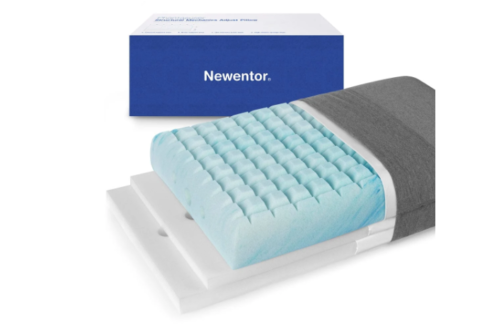
Image via Newentor
Firmness and Pressure Relief
A pillow that is too soft will allow your head to sink too deep, resulting in awkward neck angles. Side sleepers typically benefit from medium-firm to firm support. This level of firmness bridges the gap between the head and mattress effectively while cushioning the delicate facial nerves and ears.
Temperature Regulation and Hygiene
Side sleepers keep one side of their face pressed against the pillow fabric for hours. Breathable covers, gel-infused foams, or open-cell structures help dissipate body heat. Additionally, keeping your bedding hygienic is essential; wrapping your setup in a breathable, waterproof mattress protector and washable pillow casing protects your investments against moisture, dust mites, and allergens.
Step-by-Step Guide to Testing and Fitting Your Pillow
Finding your ideal match involves checking your physical posture in bed and making subtle adjustments.
Step 1: Measure Your Shoulder Distance
Stand against a wall and measure the distance from the base of your neck to the edge of your shoulder bone. This measurement gives you a baseline for the pillow height you need to bridge the gap accurately.
Step 2: Check Your Neck Alignment
Have a partner take a photo of your posture while lying on your side. Look at the line from the centre of your forehead down through your throat and sternum. It should form a straight, horizontal line parallel to the bed.
Step 3: Evaluate Total Body Support
If you still experience lower back or hip discomfort despite a great head pillow, consider placing a thin secondary pillow between your knees. This prevents your upper leg from pulling your spine out of alignment during the night.
Conclusion
Choosing the right pillow for side sleeping is a vital investment in your overall sleep hygiene, posture, and daily energy levels. By focusing on proper loft, pressure-relieving materials, and medium-firm support, you can eliminate morning neck stiffness and enjoy deeper, uninterrupted sleep.
For more tips on sleep health and premium sleep solutions, visit Newentor Au to explore complete bedding setups designed for optimal rest.





