
A Turning Point in Gaza? Hamas Agrees to Disarm Under New ‘Board of Peace’ Framework
the staff of the Ridgewood blog
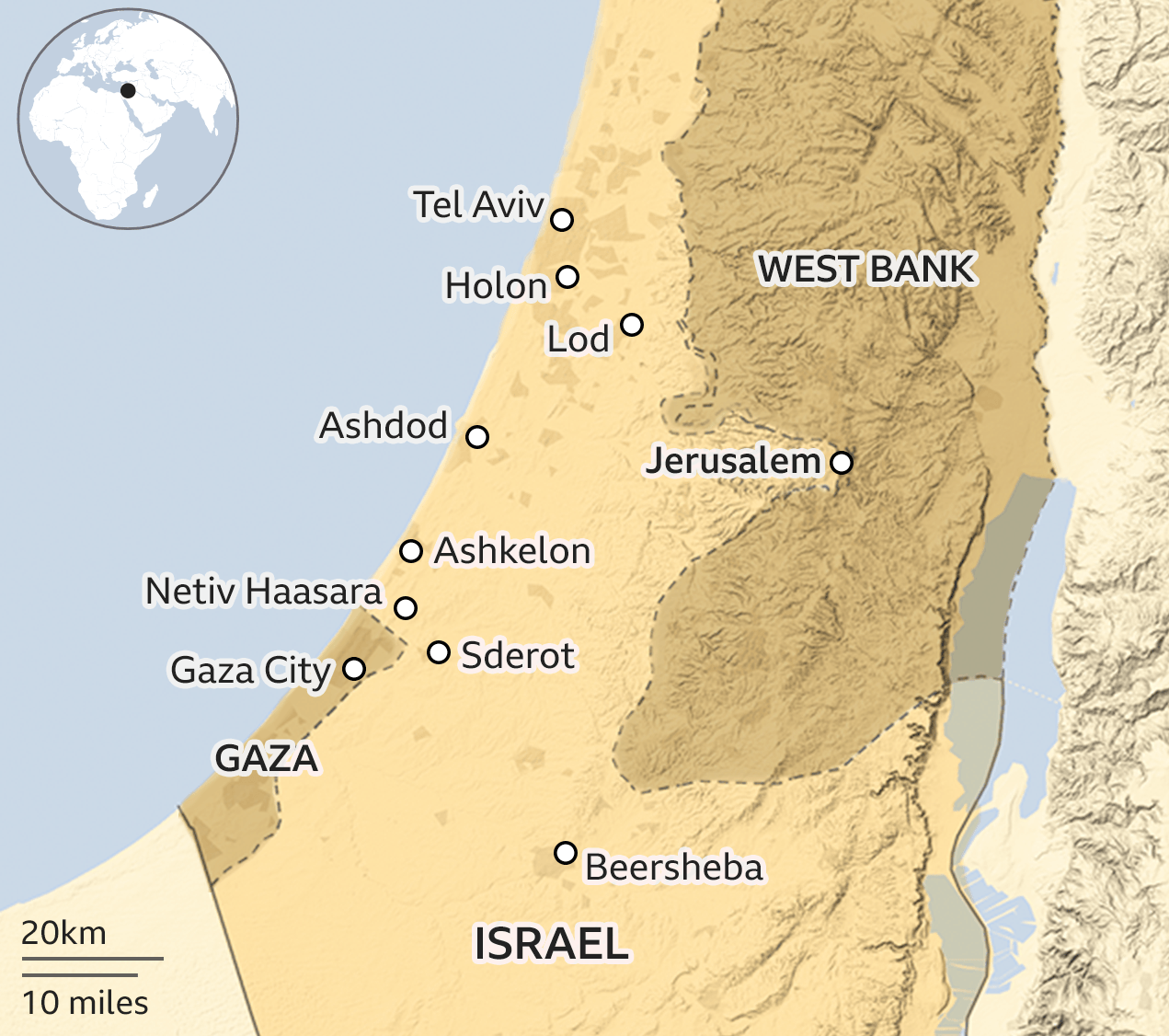
Gaza, In what could be a defining shift in the Middle East conflict, Hamas and other Palestinian factions have agreed to a foundational roadmap for disarmament in Gaza.
Described by United States President Donald Trump as a “monumental step toward peace and security,” the deal sets up a multi-phase plan to end military operations, introduce international oversight, and facilitate a complete withdrawal of Israeli forces from the enclave.
However, key conditions—and potential hurdles—remain as implementation hinges on reciprocal action by Israel and strict international verification.
Key Takeaways of the Gaza Agreement
-
14-Day Roadmap: A precise timeline for disarmament must be prepared within two weeks, subject to international oversight.
-
Phased Disarmament: Police weapons will be transferred first, followed by the systematic decommissioning of heavy weapons.
-
Oversight Bodies: Weapons will be handed over to a new National Committee working alongside an International Stabilization Force.
-
Israeli Withdrawal: The disarming process is explicitly linked to the step-by-step withdrawal of Israeli troops and the start of Gaza’s reconstruction.
How the Disarmament Framework Works
According to terms obtained from the agreement, the disarmament process will not involve surrendering weapons directly to Israel or any non-Palestinian force. Instead, the mechanism relies on neutral, multi-tiered governance:
-
Deployment of Security Forces: The National Committee and an International Stabilization Force will enter Gaza to maintain stability.
-
Inventory & Storage: Armed factions will hand over weaponry to the National Committee under the observation of an international verification body.
-
Transition to Local Governance: Internal security will eventually shift to a newly trained Palestinian police force operating alongside international coordination units.
“Withdrawal must move in lockstep with decommissioning… Implementation and verification have to be real.”
— Nickolay Mladenov, High Representative for the Board of Peace in Gaza
Conditions, Commitments, and Obstacles
While diplomatic leaders view the breakthrough positively, both negotiators and military analysts emphasize that major challenges lie ahead.
1. Hamas Demands Reciprocal Actions
Ghazi Hamad, a member of Hamas’s negotiating delegation, confirmed that the group would not execute its side of the deal if Israel fails to fulfill its commitments—specifically regarding full troop withdrawal and the unblocking of humanitarian and reconstruction efforts.
2. Disarmament vs. “Inventory and Storage”
Military analysts note a crucial technical nuance in the language. Nidal Abu Zaid pointed out that the agreement focuses on “inventory and storage” through a neutral third party rather than direct forced disarmament by an enemy force, which Palestinian factions would reject.
3. Mixed Factional Responses
While Hamas and major factions approved the Cairo proposal, groups like Palestinian Islamic Jihad expressed reservations over specific phrasing, highlighting that consensus among all armed groups is still developing.
What Comes Next for Gaza’s Future?
The agreement signals a transition toward a new governing structure in Gaza—moving away from two decades of Hamas administration toward a technocratic, apolitical entity backed by the international community.
Mediators from Egypt, Qatar, Turkiye, and the United States are set to gather in Cairo for follow-up talks. These discussions will solidify commitments for Phase 2 of the roadmap, focusing on security coordination and establishing the full makeup of the international stabilizing force.
Tell your story #TheRidgewoodblog , #Indpendentnews, #information, #advertise, #guestpost, #affiliatemarketing,#NorthJersey, #NJ , #News, #localnews, #bergencounty, #sponsoredpost, #SponsoredContent, #contentplacement , #linkplacement, Email: [email protected]
- Tags:
#GazaPeace#HamasDisarmament#MiddleEastNews#BoardOfPeace#GazaCeasefire#Geopolitics





