
Inside “The Biggest Oil Deal in World History”: U.S. Gains 100-Year Access to Venezuela’s Oil Reserves
the staff of the Ridgewood blog
Washington DC, In an unprecedented announcement, President Donald Trump unveiled what he termed “THE BIGGEST OIL DEAL IN WORLD HISTORY”—a sweeping agreement granting the United States a major stake in Venezuela’s vast petroleum reserves.
Negotiated by Secretary of State Marco Rubio, Defense Secretary Pete Hegseth, and Venezuela’s acting president Delcy Rodríguez, the deal follows the U.S. military raid that captured former President Nicolás Maduro to face federal drug trafficking charges in New York.
While the Trump administration frames the agreement as a historic energy victory, critical details remain unresolved regarding infrastructure costs, legal legitimacy, and near-term market impacts.
What Are the Known Terms of the Deal?
According to statements released by U.S. officials and Acting President Delcy Rodríguez, the agreement establishes a brand-new corporate framework to extract Venezuelan crude:
-
100-Year Rights: A newly formed private entity—co-owned by the U.S. government and an undisclosed private operator—has secured 100-year extraction rights to 17 untapped oil fields.
-
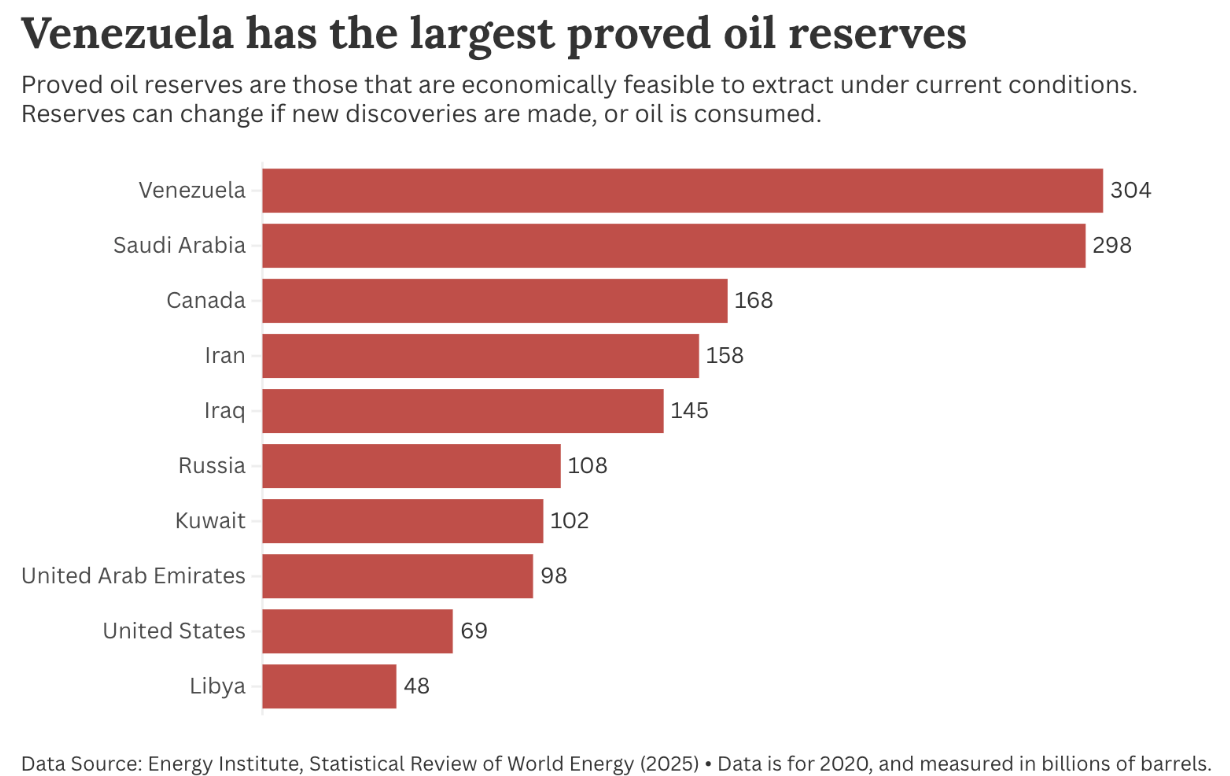
65 Billion Barrels: The fields contain a proven potential of 65 billion barrels of oil, representing an estimated $100 billion in private investment and potential yield of $209 billion in tax revenues for Caracas.
-
55% Output Stake: The U.S. secures 55% of the company’s effective output via an ownership stake and rights to purchase crude at cost to replenish the U.S. Strategic Petroleum Reserve and supply the military.
-
Saudi Aramco Rival: If fully realized, the entity would become the second-largest corporate holder of proven oil reserves globally, behind only Saudi Aramco.
Will the Deal Immediately Lower Gas Prices?
Despite claims that the deal will provide immediate relief at the pump, energy analysts urge caution:
-
Dilapidated Infrastructure: Decades of underinvestment mean Venezuela’s oil infrastructure requires billions of dollars and years of repair to restore production levels to historic peaks.
-
Short-Term Price Realities: Experts note that while the deal may bolster long-term supply, it will not reduce retail gasoline prices in the immediate future.
-
Unclear Capital Backing: Neither government has clarified who will fund the massive initial infrastructure investments required to scale operations.
Political Reactions: Capitol Hill and Caracas Divided
The announcement sparked immediate debate among political leaders and foreign policy experts:
-
Congressional Support: Republican allies praised the deal as a masterstroke. Sen. Bernie Moreno (R-OH) called it a win for both nations that prevents Venezuelan energy resources from being sold to foreign adversaries like China.
-
Democratic Criticism: Senate Democrats condemned the move. Sen. Tim Kaine (D-VA) characterized the deal as “corruption at epic scale,” while Sen. Chris Van Hollen (D-MD) questioned the risks posed to U.S. service members during the initial operation.
-
Venezuelan Pushback: In Caracas, citizens and former officials expressed outrage over foreign access to national resources. Former Venezuelan Planning Minister Ricardo Hausmann called it an “illegitimate deal,” predicting that major oil corporations will hesitate to invest due to political instability and lack of constitutional authorization.
Follow the Ridgewood blog has a brand-new new X account, we tweet good sh$t
https://x.com/TRBNJNews
https://truthsocial.com/@
https://mewe.com/jamesfoytlin.
#news #follow #media #trending #viral #newsupdate #currentaffairs #BergenCountyNews #NJBreakingNews #NJHeadlines #NJTopStories
Tags Venezuela Donald Trump Energy Policy Oil and Gas US Politics Global Economy World News





