
The Rising Cost of Living: Why Federal Taxes Are Driving the Affordability Crisis
the staff of the Ridgewood blog
Trenton NJ, , Affordability is one of the most pressing issues facing households in New Jersey and across the nation . While inflation and rising housing costs dominate everyday headlines, one major expense often gets overlooked: taxes.
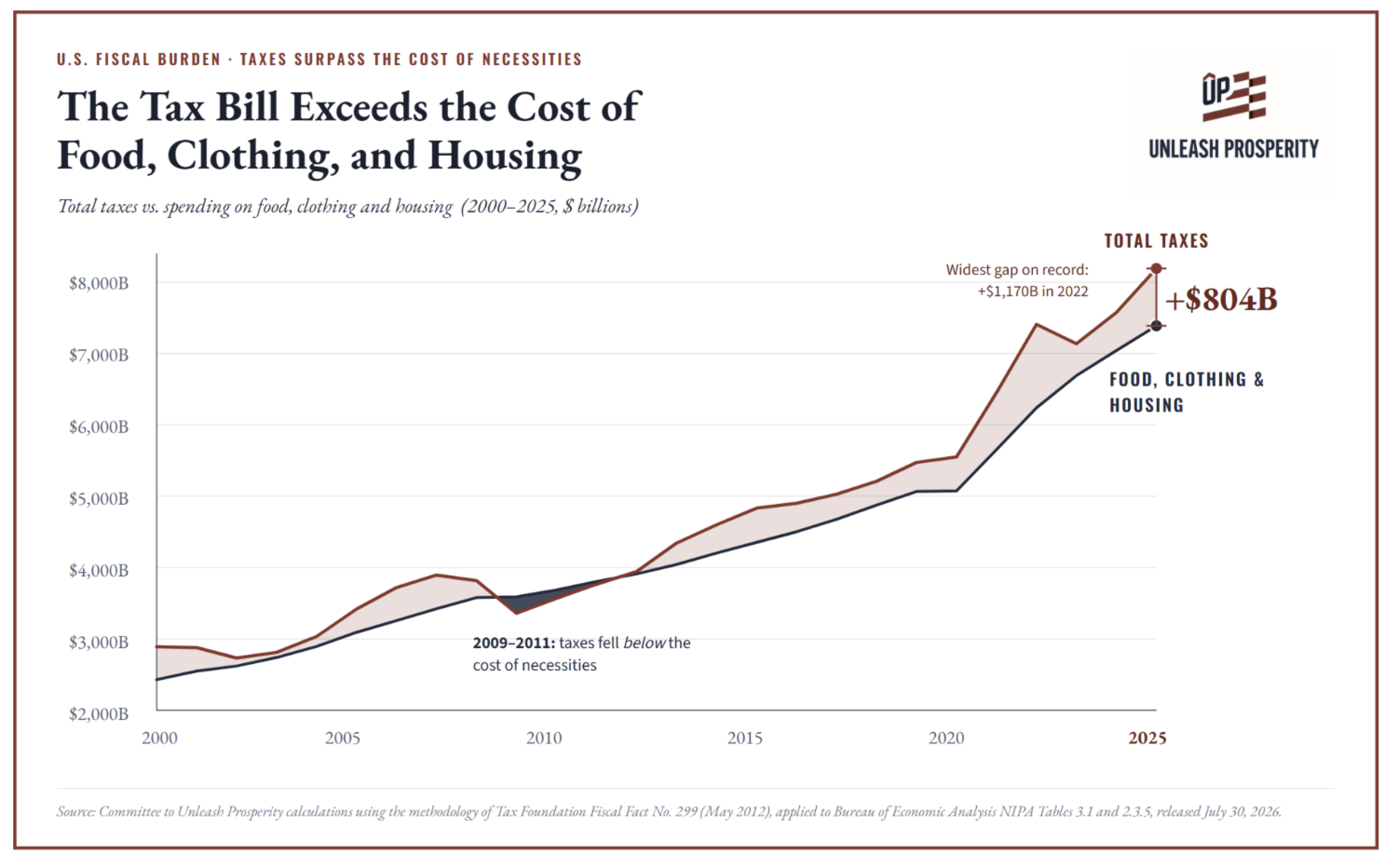
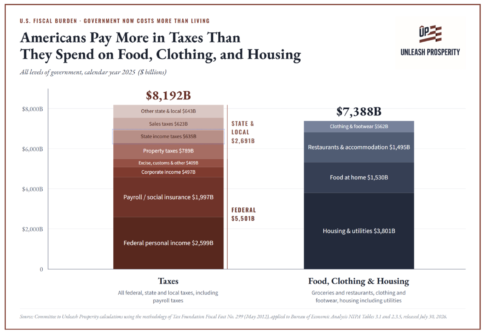
Today, Americans pay more in total taxes than they spend on food, clothing, and shelter combined. Despite recent policy adjustments, federal revenue collection continues to surge toward historic highs, placing an increasing burden on taxpayers.
Federal Tax Revenues Are Reaching Record Levels
Data from the U.S. Department of the Treasury highlights a steep upward trajectory in federal tax receipts:
-
Income Tax Growth: Individual income taxes surged by $136 billion (a 7% increase) in the first nine months of the fiscal year alone.
-
Record Revenues: Total federal tax collections reached $4.2 trillion over those nine months, putting the U.S. on track for a record $5.6 trillion annual total.
-
Long-Term Increases: Between 2018 and 2025, total federal tax receipts grew by 57%. Individual income tax collections rose nearly 60%, while corporate tax revenues climbed 120%.
According to projections by the Congressional Budget Office (CBO), federal revenue under current law will reach $8.3 trillion annually by 2036—a 60% increase over current record levels.
Proposals for Tax Hikes and Their Economic Impact
Despite record revenue collections, various policy advocacy groups and lawmakers are urging Congress to raise taxes further to fund additional government programs. Proposed changes include:
-
Higher Capital Gains and Income Rates: Raising tax rates on investment income can reduce incentives for personal saving and capital investment, slowing overall economic growth.
-
Elevated Corporate Tax Rates: Raising the federal corporate tax rate would place the U.S. among the highest-taxed jurisdictions globally, potentially suppressing wage growth and reducing job creation.
-
Wealth and Estate Taxes: Proposals for a federal wealth tax face significant legal and economic hurdles. Most European nations that previously enacted wealth or estate taxes have since repealed them due to administrative costs, capital flight, and minimal revenue yields.
The Nordic Model Myth: Lessons from Sweden and Norway
Proponents of higher taxes frequently point to Scandinavian nations as economic benchmarks. However, a closer look at the economic policies of Sweden and Norway reveals key differences:
-
Repealed Wealth & Estate Taxes: Both Sweden and Norway eliminated their estate taxes, and Sweden repealed its wealth tax to foster investment.
-
Competitive Corporate Rates: Sweden’s corporate tax rate sits near 20%. Under proposed U.S. increases—which would bring the combined federal and state corporate rate to around 35%—the U.S. rate would exceed Sweden’s by roughly 15 percentage points.
Policy Solutions: Capping Federal Tax Growth
As government spending and federal revenues continue to climb, economists advocating for tax reform suggest implementing a federal tax cap. Capping total tax collections would help limit federal spending, protect household income, and reduce the overall tax burden on working families.
Tell your story #TheRidgewoodblog , #Indpendentnews, #information, #advertise, #guestpost, #affiliatemarketing,#NorthJersey, #NJ , #News, #localnews, #bergencounty, #sponsoredpost, #SponsoredContent, #contentplacement , #linkplacement, Email: [email protected]
-
Recommended Content Tags:
#Taxes#USFinance#Economy#TaxPolicy#PersonalFinance#USNews






If NJ does not repeal estate inheritance tax more of us will leave for 181 days
The only exemption is for a spouse or child up to federal limit
So I cant leave money to my brother sister neice nephew or friend without the state grabbing 17%
that will NEVER happen. i worked hard all my life and NJ took enough
But the illegals are taken care of!