
Bald Eagle Sighting in Ridgewood, NJ: Majestic Birds Build Nest Near School Playground
photos courtesy of the Ridgewood School District
the staff of the Ridgewood blog
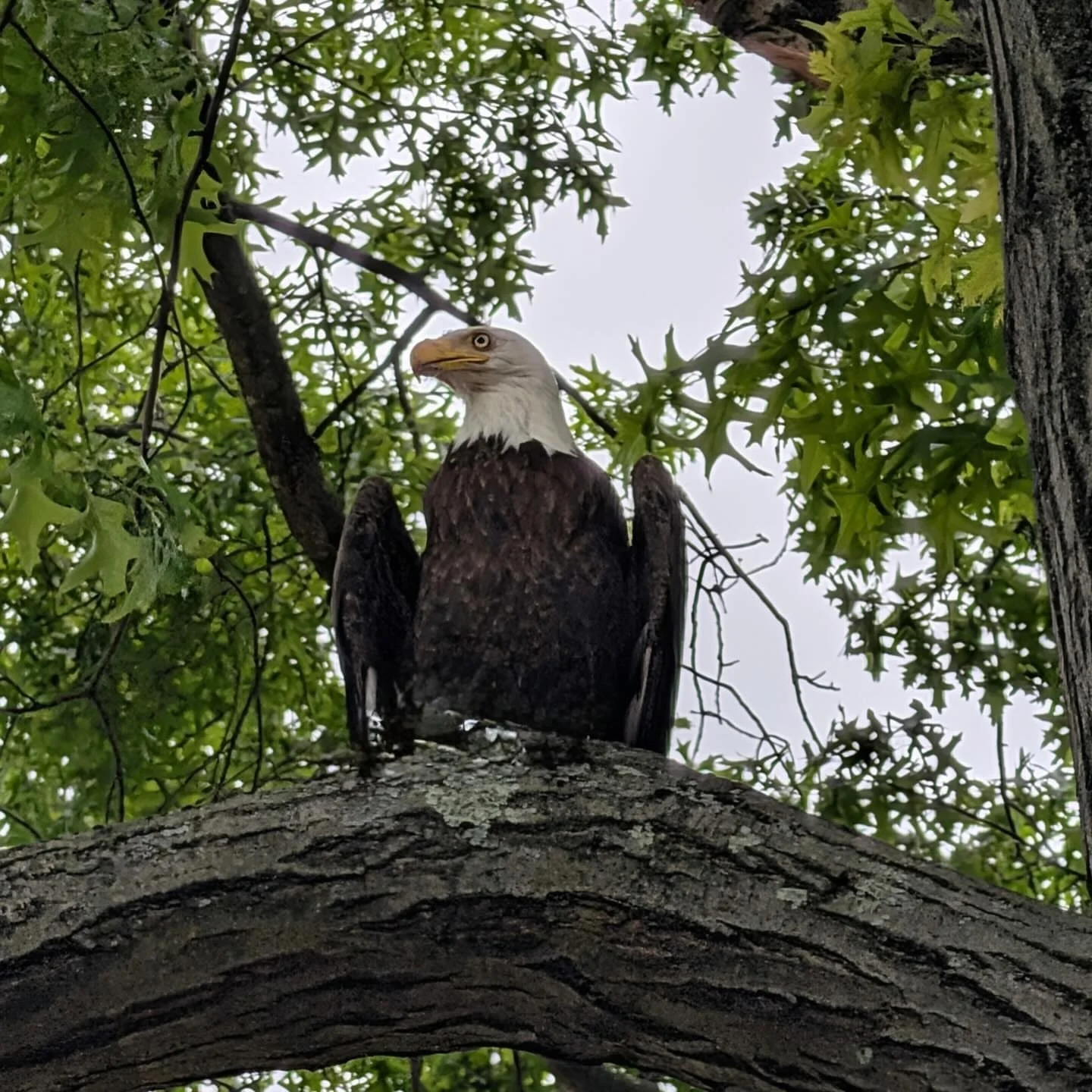
Talk about an unforgettable school day! Students in Ridgewood, New Jersey, recently experienced a bit of real-life magic when they spotted a majestic bald eagle building a nest right near their school playground.
This incredible wildlife encounter brings a mix of nature, excitement, and community pride to Bergen County—and the timing couldn’t be more perfect as the nation approaches America’s 250th Anniversary.
The Ultimate Symbol of American Freedom
The bald eagle ( ) has been the proud national symbol of the United States since 1782, chosen by the Continental Congress for its strength, freedom, and independence. While Benjamin Franklin famously opposed the choice—preferring the wild turkey—the eagle prevailed. Today, its striking image graces the Great Seal of the United States, military emblems, and government insignias nationwide.
Fun Fact: The bald eagle isn’t actually bald! The name comes from an old English word, “balde,” which simply meant “white,” referring to the bird’s iconic snowy-white head and tail feathers.
Bald Eagles in New Jersey: What You Need to Know
While many bald eagles breed in Canada and migrate south for the winter, New Jersey boasts a thriving, year-round resident population, particularly across coastal and wetland environments.
According to data compiled from bird watchers on eBird and Avibase, local sightings follow distinct patterns:
-
Winter Peak (September to April): Sighted on roughly 10% of all submitted bird-watching checklists in NJ.
-
Summer Resident Peak: Sighted on roughly 7% of checklists during the warmer breeding months.
How to Identify a Bald Eagle
-
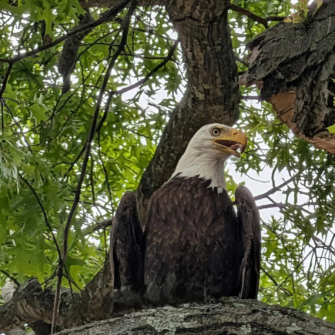
Adults: Unmistakable chocolate-brown bodies, bright white heads and tails, yellow eyes, and massive, hooked yellow bills.
-
Juveniles: Dark brown heads and bodies with variable white mottling, only gaining their signature white heads in their fifth year.
-
Size Difference: Females are roughly 25% larger than males.
Habitat, Diet, and the Biggest Nests in North America
Bald eagles are opportunistic feeders that thrive near open, large bodies of water with plenty of fish, such as trout and salmon. When winter freezes freshwater sources, they adapt by hunting ducks, herons, and geese, or turning to land mammals like rabbits, squirrels, and raccoons.
To support their massive size, they build the largest stick nests of any bird in North America.
-
The Nest: A sturdy structure measuring roughly 6 feet in diameter and 4 feet high. The male gathers materials like sticks, moss, and grass, while the female constructs the home.
-
The Call: Despite their fierce reputation, their call is surprisingly quiet—a high-pitched, chittering whistle!
-
Family Life: Females lay 1 to 3 eggs per year in the wild, and both parents take turns incubating them for 35 days while the other hunts.
Protecting New Jersey’s Birds of Prey
Humans have a complicated history with these “kings of the skies.” Historically persecuted and driven to the brink of extinction by habitat destruction, conservation efforts have triggered an amazing comeback story for eagles in the Garden State.
Tell your story #TheRidgewoodblog , #Indpendentnews, #information, #advertise, #guestpost, #affiliatemarketing,#NorthJersey, #NJ , #News, #localnews, #bergencounty, #sponsoredpost, #SponsoredContent, #contentplacement , #linkplacement, Email: [email protected]
-
Tags: #
RidgewoodNJ,#BaldEagleSighting,#NewJerseyWildlife,#BirdWatching, #BergenCountyNews,#AmericanSymbol, #NatureConservation






Beautiful site
By which school playground?
My tool a picture of the Ridgewood bald eagle. She saw in the trees behind Habernackle . We also saw it by the duck pond. So it seems to fish in the Ho-Ho Kus brook
I saw it soaring overhead on my way to work today! Linwood Avenue on the bridge between Paramus and Ridgewood.
Nothing like seeing an eagle fly