
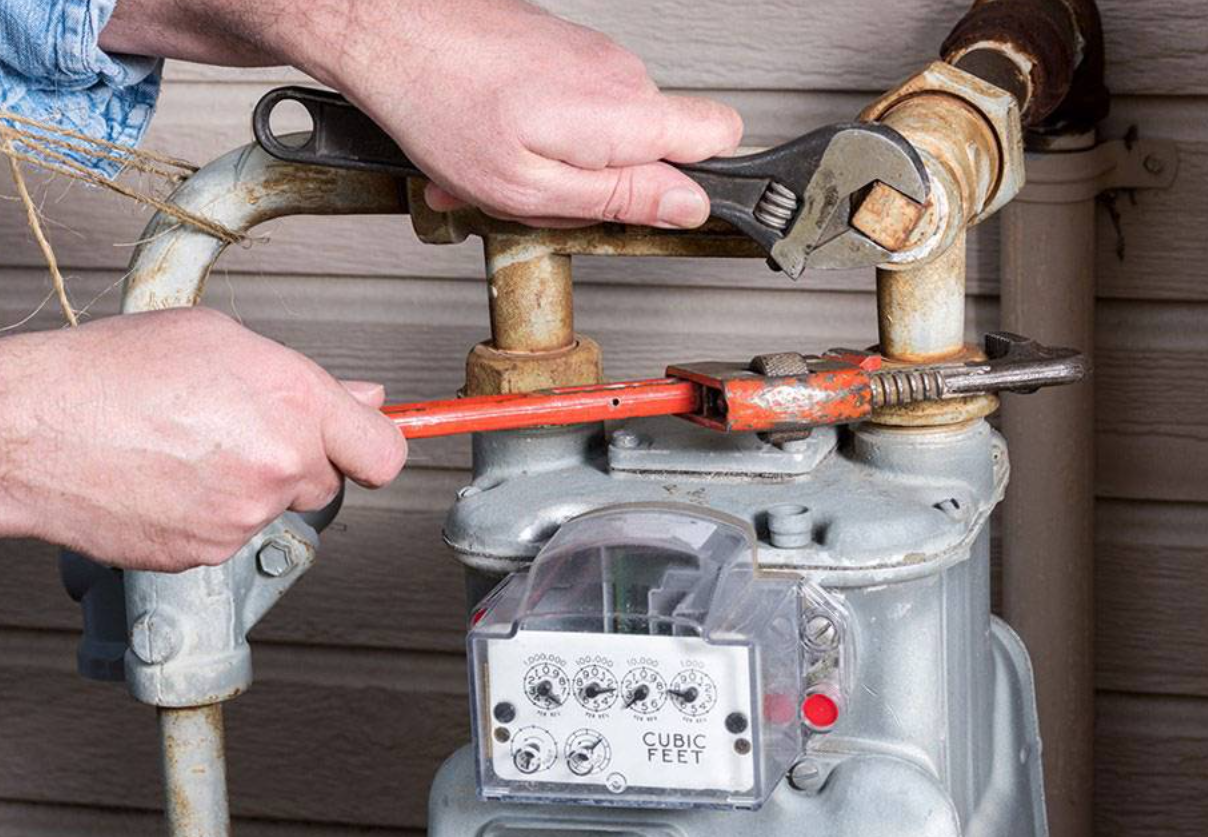
A suspected gas leak demands calm decisions, rapid evacuation, and technical control. Homes, restaurants, rental buildings, and commercial facilities have different piping routes and access limits. A disciplined response protects occupants while preserving useful diagnostic clues.
Gas specialists in Corona begin with immediate safety measures, then determine if the damaged section needs repair, replacement, or a new connection. Aging pipes, appliance upgrades, corrosion, and physical damage can change the correct response. Careful testing remains essential before fuel service returns. This article will explain crucial emergency protocols applied by a gas repair specialist.
Secures the Property in Corona and Stops Ignition Risks
The first priority is clearing everyone from the structure and keeping them at a safe distance. Once the site is safely evacuated, the opening stage of gas line repair Corona also requires occupants to avoid switches, flames, vehicles, phones, and electrical devices because a spark may ignite accumulated fuel. Specialists control access and coordinate with the utility or emergency responders when support is necessary.
The correct shutoff point depends on the layout and suspected defect. A technician may isolate an appliance connection, branch, or main supply after assessing the safest approach. No occupant should search for the source inside a building that smells of gas.
Recognizes Clues That Guide the Inspection
Crews compare occupant observations with visible and audible evidence before testing. Key warning signs include:
- A sulfur or rotten-egg odor near appliances, walls, meters, or outdoor piping.
- Hissing or whistling sounds around valves, connectors, and fuel lines.
- Rust, cracks, breaks, or movement along exposed pipe sections.
- Bubbling water, disturbed dust, haze, or unexplained plant decline.
- Headache, dizziness, nausea, breathing trouble, or chest discomfort indoors.
These details help narrow the suspected zone without disturbing sound piping.
Decides Between Local Repair and Line Replacement
A small, accessible defect may allow a sectional repair, while extensive corrosion, repeated leaks, or aging material may justify replacement. Specialists review the demands of water heaters, ranges, dryers, pool heaters, and other appliances because an upgraded unit may require a larger or differently routed connection. The decision should reflect pipe condition, system capacity, location, and appliance plans. Effective gas line repair in Corona addresses the immediate failure without leaving a weak surrounding section in service.
Completes the Technical Repair Sequence
Once the fuel supply is controlled, licensed technicians follow a measured process. They:
- Inspect fittings, valves, connectors, supports, and exposed piping.
- Test isolated sections with suitable leak-detection and pressure-testing methods.
- Remove damaged material and install approved replacement components.
- Support new work against strain, impact, and movement.
- Follow applicable permit, inspection, and local safety-code requirements.
Each step helps ensure the completed system matches the property’s operating needs.
Verifies Safety Before Restoring Gas Service
Service should remain off until the repaired or replaced line passes final testing. Technicians in Corona check joints, appliance connections, pressure integrity, and system operation, then confirm affected equipment can run safely. Property owners should receive a clear explanation of the work. NFPA research estimated that natural gas ignition caused an average of 4,200 U.S. home structure fires per year from 2012 through 2016. That figure shows why professional testing and documented clearance matter after a suspected leak.
Emergency gas work succeeds when evacuation, isolation, diagnosis, repair, and verification occur in the correct order. Property owners in Corona gain stronger protection when qualified specialists match the solution to pipe condition and appliance demand. A careful final test supports a safe return to normal service.





