
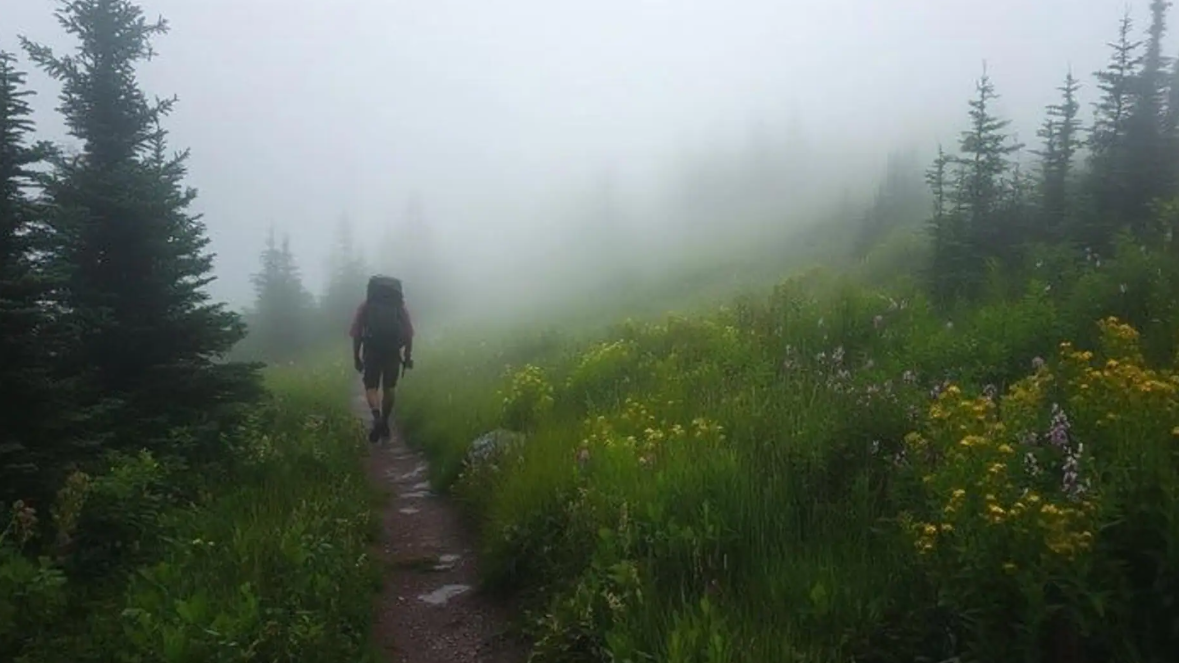
While the world is still asleep, seasoned backcountry adventurers, bowhunters, and mountain trekkers are already sipping black coffee, checking gear straps, and studying topo maps. The still air of 4:00 AM carries a quiet sense of anticipation.
In the wild, sunrise isn’t the beginning of the adventure—it is the deadline. Achieving your goals in the backcountry requires winning the hours before first light. Whether you are climbing a high-elevation peak or maneuvering into a hunting glassing knob, a solid pre-dawn execution strategy transforms chaotic early starts into seamless, successful outings.
1. The First Light Advantage: Why Starting Early Matters
Quick Answer: Planning and moving before sunrise gives outdoor adventurers maximum daylight, optimal mountain wind thermals, cooler hiking temperatures, and a crucial safety buffer before unpredictable afternoon weather rolls in.
Early morning movement provides distinct ecological and tactical benefits. For wildlife enthusiasts and hunters, dawn is prime time. Game animals move heavily during low-light transitions, making the hour around sunrise your best opportunity for sightings or ethical shots.
Additionally, atmospheric conditions are generally most stable at dawn. High-alpine ridges often experience fierce winds and lightning storms by early afternoon. By logging miles during the cool pre-dawn hours, you cover ground efficiently without overheating, saving vital water and stamina for the return journey.
2. Night-Before Staging: Eliminating Morning Friction
Quick Answer: Night-before staging means organizing clothing, water, navigation tools, and nutrition in a specific order so you can wake up, dress, and leave without wasting time or making critical packing errors.
You shouldn’t be making decisions at 4:00 AM; you should simply be executing a plan. Sleep deprivation impairs memory and attention to detail, making it easy to leave critical items—like a headlamp, battery bank, or water filter—sitting on the kitchen counter.
Adopt a standardized pre-bed checklist before every trip:
- Layering Stack: Lay out your base layers, mid-layers, and boots in the exact order you will put them on.
- Nutrition and Hydration: Fill water bladders and place high-calorie trailhead snacks right beside your keys.
- Electronics Check: Verify that headlamps, satellite messengers, and GPS devices are fully charged and packed in warm pockets to protect battery life.
- Offline Maps Cached: Ensure all digital map layers are downloaded for offline use well before losing cellular coverage.
Building this routine ensures that early morning adventure prep feels calm, organized, and automatic.
3. Gear Prep in the Dark: Precision and System Verification
Navigating your pack in total darkness requires complete familiarity with your gear. Every item should have a dedicated compartment so you can locate essential equipment by touch alone.
This level of preparation is especially vital for backcountry hunters slipping into mountain timber before dawn. Every piece of hunting gear must be silent, accessible, and flight-tested. Checking quivers, verifying release aids, and ensuring razor-sharp premium broadheads are safely seated in protective hoods prevents gear damage and eliminates dangerous field accidents when gearing up in the dark.
Checking critical equipment under red-light headlamp illumination keeps your night-adjusted vision intact while verifying that every system is ready for action.
4. Navigating the Dark: Safety Protocols for Early Starts
Quick Answer: Safe pre-dawn navigation relies on using headlamps with red-light modes to preserve night vision, verifying progress against pre-marked GPS waypoints, and maintaining a steady, low-perspiration pace.
Moving through the woods or up a talus slope in pitch black presents obvious navigation challenges. Shadows distort terrain features, and trail markers are easily missed.
To maintain safety during pre-dawn travel:
- Preserve Night Vision: Use the low-power red setting on your headlamp when checking maps or gear to keep your eyes adjusted to ambient moonlight.
- Check Distance Frequently: Use active backcountry navigation planning by tracking your location against terrain features like saddles, creeks, and ridges on offline mapping apps.
- Watch Your Pace: Resist the urge to hurry. Walking briskly in cold air creates heavy sweating, which rapidly chills your core body temperature once you stop to glass or rest.
5. Common Morning Mistakes That Sabotage the Day
Even experienced adventurers make simple errors during early morning starts. Avoiding these frequent missteps will keep your trip on track:
- Over-Dressing at the Trailhead: Leaving camp wearing heavy insulation layers causes immediate overheating and damp base layers. Start your hike slightly cold; your body heat will quickly warm you up.
- Skipping Breakfast: Relying solely on caffeine leads to rapid blood sugar crashes two hours into a steep ascent. Eat a balanced meal rich in complex carbs and healthy fats before hitting the trail.
- Failing to Re-Check Weather Updates: Mountain weather changes rapidly. Always run one final radar check right before losing cell service to verify storm timing.
6. Frequently Asked Questions
How early should I arrive at the trailhead for a sunrise hunt or hike?
Plan to arrive at least 45 to 60 minutes before nautical twilight. This gives you ample time to check gear, lace boots, and walk to your vantage point or glassing knob before the first light touches the horizon.
What is the best way to keep batteries from draining in cold morning air?
Lithium-ion batteries drain rapidly in cold weather. Keep small electronics, spare headlamp batteries, and your mobile phone stored in an internal chest pocket close to your body heat until you need them.
Summary of Key Takeaways
A successful day in the wild is rarely the result of good luck; it is the product of disciplined morning preparation. Winning the hours before sunrise sets a proactive, safe tone for the entire trip.
- Stage Your Gear: Organize clothing, hydration, and equipment the night before to eliminate early morning confusion.
- Optimize Your Travel: Move at a steady, manageable pace to preserve core thermal balance and conserve energy.
- Focus on Safety: Preserve night vision, double-check navigation markers, and verify critical equipment before stepping onto the trail.
When you master the pre-dawn ritual, you don’t just beat the crowds—you align yourself with the natural rhythm of the wild, setting the stage for an unforgettable adventure.





