

Photo by Taylor Sondgeroth on Unsplash
Watching a dog grow older is one of the most rewarding and emotional parts of pet ownership. While senior dogs may slow down with age, getting older does not mean they have to give up the activities they love. With the right care, thoughtful adjustments, and attention to their changing needs, many dogs continue to enjoy walks, playtime, and quality time with their families well into their later years.
Healthy aging is about maintaining mobility, comfort, and overall well-being rather than expecting the same level of energy a dog had as a puppy. By recognizing age-related changes early and making proactive choices, owners can help their companions remain active and engaged for as long as possible.
Recognizing the Early Signs of Reduced Mobility
Many owners assume that slowing down is simply a normal part of aging, but subtle changes can indicate that a dog needs additional support.
A senior dog may hesitate before climbing stairs, struggle to jump onto furniture, take longer to stand after resting, or become less enthusiastic about walks. Stiffness after exercise or difficulty navigating slippery floors can also signal declining mobility.
Recognizing these changes early allows owners to adjust routines before discomfort significantly affects their dog’s quality of life. Regular veterinary checkups become increasingly important as dogs age because joint disease, arthritis, neurological conditions, and other health issues can often be managed more effectively when detected early.
Exercise Should Adapt, Not Disappear
Many people mistakenly reduce exercise dramatically once their dog reaches its senior years. In reality, regular movement remains essential for maintaining muscle strength, joint flexibility, cardiovascular health, and mental stimulation.
The key is adjusting activity rather than eliminating it. Several shorter walks may be more beneficial than one long outing, while swimming or other low-impact activities can provide excellent exercise for dogs experiencing joint discomfort.
Owners should also pay attention to weather conditions, avoiding excessive heat or icy surfaces that can make movement more difficult. Allowing dogs to exercise at their own pace helps reduce unnecessary strain while encouraging them to stay active.
Small Home Adjustments Can Make a Big Difference
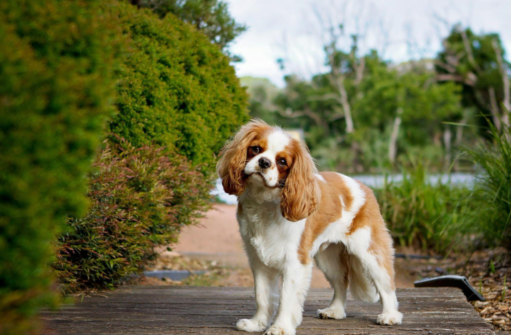
Photo by Courtney Mihaka on Unsplash
Creating a more accessible home environment often has an immediate impact on an aging dog’s confidence and independence.
Non-slip rugs can improve traction on hardwood floors, ramps can reduce repeated jumping into vehicles or onto furniture, and elevated food bowls may provide additional comfort during mealtimes. Comfortable orthopedic bedding also helps reduce pressure on aging joints during rest.
Some dogs eventually benefit from specialized mobility support as physical challenges become more significant. Companies such as Walkin Pets focus on helping injured, disabled, and aging pets maintain an active lifestyle through mobility products designed to support movement while preserving independence. Their mission reflects a growing understanding that many senior pets can continue enjoying a high quality of life with appropriate assistance rather than reduced activity alone.
Nutrition Plays an Important Role in Healthy Aging
A dog’s nutritional needs often change with age.
Maintaining a healthy body weight becomes especially important because excess weight places additional stress on aging joints and muscles. Veterinarians may recommend diets formulated for senior dogs, along with appropriate amounts of protein to help preserve lean muscle mass.
Some dogs also benefit from supplements recommended by their veterinarian, particularly when managing age-related joint conditions. Fresh water should always remain easily accessible, as hydration supports overall health and mobility.
Owners should avoid making significant dietary changes without professional guidance, especially if their dog has underlying medical conditions.
Mental Engagement Supports Overall Well-Being
Physical activity is only one aspect of healthy aging. Mental stimulation remains equally valuable throughout a dog’s life.
Puzzle toys, scent games, gentle training sessions, and opportunities to explore new environments help keep older dogs mentally engaged while strengthening the bond they share with their owners. Even short periods of enrichment each day can reduce boredom and encourage curiosity.
Most importantly, aging dogs continue to benefit from routine, companionship, and positive interaction. Spending quality time together often becomes even more meaningful as pets grow older, reminding owners that staying active involves both physical movement and emotional connection.
Supporting a senior dog’s changing needs does not require eliminating adventure from their life. With thoughtful care, appropriate exercise, and access to the right resources when needed, many aging dogs continue to enjoy happy, active years alongside the families who love them.






So many people take dogs on their jogs in hot weather, very dangerous for the dog.