
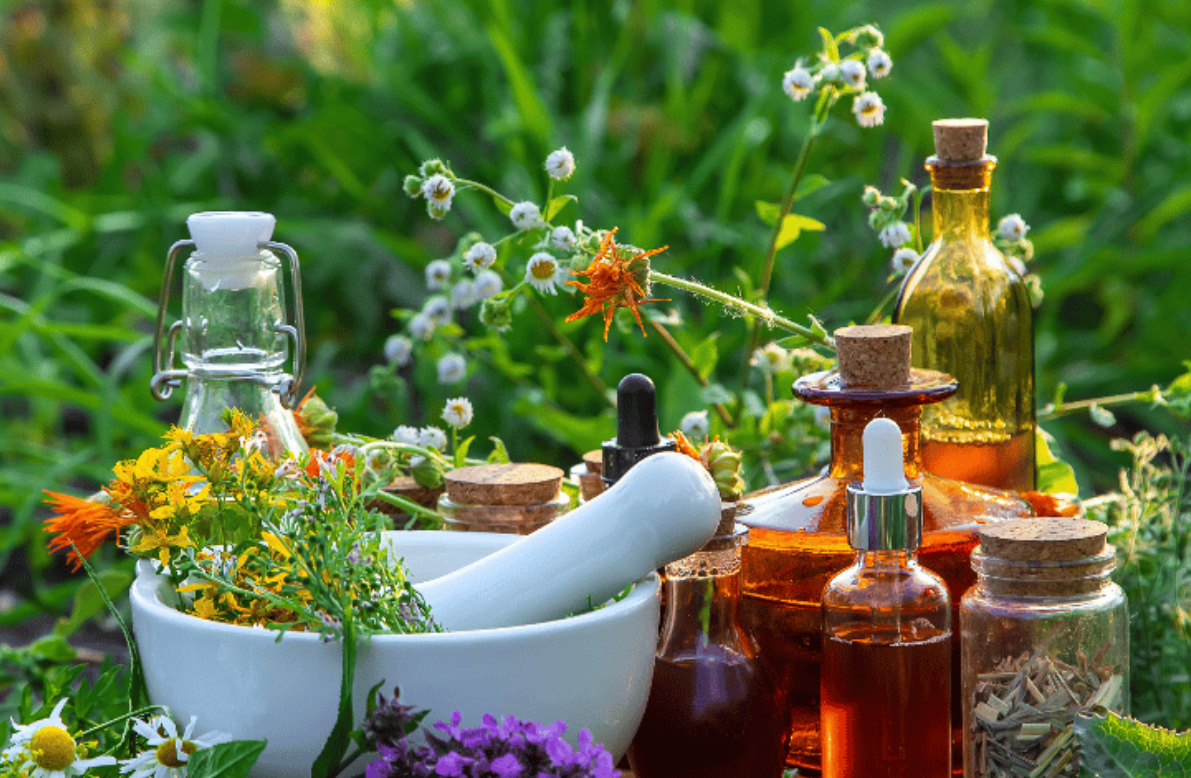
Walk through downtown Ridgewood these days and you will notice the shift. Health-food stores along East Ridgewood Avenue, the wellness corners of local pharmacies, and even a few convenience-store coolers now stock an ever-widening array of botanical and herbal products: mushroom powders, herbal teas, CBD tinctures, adaptogen blends, and plant-based supplements of nearly every description. Online, the choices multiply into the thousands. For Bergen County residents, the challenge is no longer finding these products. It is working out which of them come from sellers who deserve the trust their labels quietly ask for.
A Category Growing Faster Than Its Rulebook
Botanical wellness occupies a strange spot in American retail. Many of these products are sold as dietary supplements rather than as regulated medicines, and that distinction carries real weight. The U.S. Food and Drug Administration does not evaluate or approve dietary supplements for safety or effectiveness before they reach the shelf the way it does prescription drugs. Most of the responsibility for quality falls on the manufacturer and, in practice, on the shopper standing in the aisle. That is not a reason to avoid the category, where plenty of reputable companies operate. It is a reminder to shop the way you would for anything where quality swings widely from brand to brand: by looking for evidence rather than taking front-of-package promises at face value.
Start With the Label
A good label tells you more than a product’s name and net weight. Turn the package over and look for a full ingredient list, a batch or lot number, clear serving information, and a real, physical address for the company behind it, not just a web form or a social-media handle. Be wary of the vague “proprietary blend” that names ingredients without saying how much of each is inside, and of packaging that offers no obvious way to reach a human being.
What “Third-Party Tested” Actually Means
“Lab-tested” may be the most common phrase in the botanical aisle, and also one of the least informative. Tested for what, exactly? By whom? Against what standard? A serious seller can answer all three without hesitation. There is also a meaningful gap between a company testing its own products and one paying an independent lab to do it. In-house testing is not automatically suspect, but third-party testing, carried out by an accredited laboratory with no financial stake in the outcome, carries far more credibility. When a label says “third-party tested,” look for the name of the actual lab. A company genuinely proud of its testing tends to name its partners; one using the phrase as decoration usually does not.
The Document That Matters Most
If you learn to ask for one thing, make it the certificate of analysis, often shortened to COA. A COA is a report, ideally from an outside laboratory, that lists exactly what a given batch was tested for and what the results were. A strong one identifies the product and its lot number, names the lab, shows when the testing happened, and reports results against clearly stated limits, confirming, for example, that heavy metals such as lead and cadmium fall below recognized safety thresholds. The lot number matters more than people expect, because a certificate only means something if it matches the product in your hands. The most transparent companies make current, batch-specific certificates easy to find.
When the Rules Depend on Your Zip Code
Here is where local shoppers need to pay particular attention, because the rules governing some botanicals are not uniform. They can differ from one state to the next, sometimes from one town to another, and they change over time. Kratom, a plant-derived product sold in some smoke shops and specialty stores, is a clear example. Its legal status varies by state and, in certain places, by municipality, so the sensible first step for any New Jersey resident is to confirm the current rules where they actually live rather than assume. Beyond legality, kratom is a category where sourcing and testing practices differ dramatically from one seller to the next, which is exactly why published lab results are worth hunting for. Some vendors, for instance kingdomkratom.com, publish third-party lab results for their products, and that kind of documentation is precisely the transparency shoppers should expect before buying any botanical, whatever it happens to be. The takeaway is about the paperwork behind the product, not the product itself, and none of this is medical advice.
Read the Claims With a Skeptical Eye
Just as troubling as a label that says too little is one that promises too much. Under federal rules, general wellness products are not permitted to claim they diagnose, treat, cure, or prevent any disease. A box splashed with dramatic health guarantees is a sign that the seller is either unaware of those rules or unbothered by them, and neither is reassuring.
Telling a Trustworthy Seller From a Fly-by-Night One
The patterns repeat themselves once you know what to look for. A dependable seller generally publishes current lab results, names the laboratories doing the testing, provides genuine contact information, is upfront about where its ingredients come from, and has a business history you can verify. The opposite profile is just as recognizable: no testing documentation, or a single stale report; anonymous or PO-box-only contact details; exaggerated claims; prices that seem too good to be real; and packaging that changes constantly or imitates a better-known brand. When a company is that hard to identify or reach, treat the difficulty itself as information.
A Quick Checklist Before You Buy
Before adding any botanical or herbal product to your cart, in a Ridgewood shop or online, a handful of questions will carry you a long way. Can you find a batch-specific certificate of analysis? Is the testing performed by a named third-party laboratory? Does the label list a full ingredient breakdown and a company you could genuinely contact? Are the marketing claims measured rather than miraculous? And for anything that sits in a legal gray area, have you checked the current rules in your own community first? Shoppers with specific health concerns should raise them with a qualified professional rather than trusting a product label.
The Bottom Line for Local Shoppers
The botanical wellness aisle is not going to shrink anytime soon, in Ridgewood or anywhere else. The job facing shoppers is to sort the transparent sellers from the opaque ones, and the encouraging news is that transparency leaves a trail you can follow. Certificates of analysis, named laboratories, honest labeling, and businesses you can actually reach are all things you can check before spending a single dollar. In a corner of the market where the formal rules are light, a curious and slightly skeptical shopper remains the most reliable form of quality control there is.





