
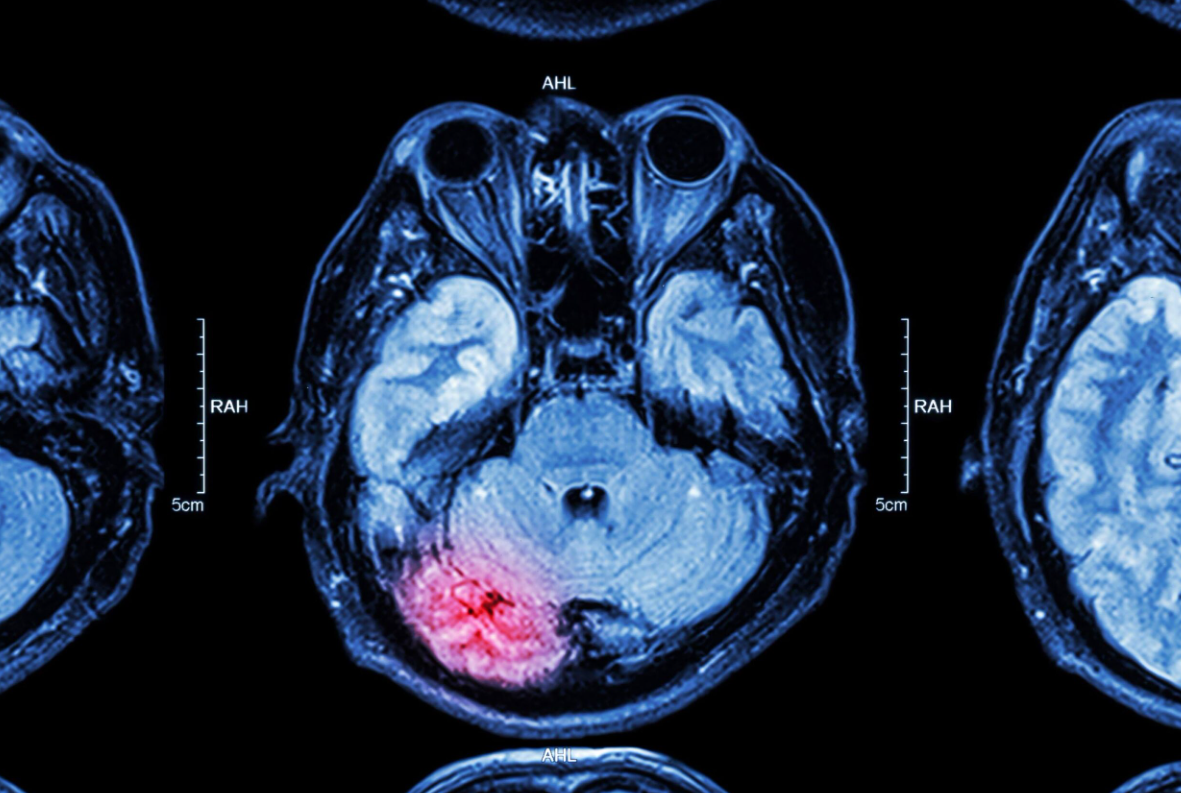
A violent assault can leave consequences that extend far beyond visible injuries. A sudden strike to the head may disrupt memory, concentration, emotional balance, and physical coordination in ways that appear gradually over time. Quick action after the incident can make a meaningful difference in recovery and long-term stability.
Family members frequently notice changes before the injured person recognizes them. Irritability, confusion, sleep disruption, and difficulty focusing may surface days after the attack rather than immediately afterward. Proper medical attention and continued observation provide an important foundation for recovery. This article will focus on how to deal with such situations and the role of an expert personal injury attorney.
Seek Medical Attention As Soon As Possible
Emergency care should remain the first priority after any blow to the head during an assault. Doctors may perform neurological examinations and imaging tests to identify hidden damage that may not appear during an initial physical assessment. Some symptoms linked to Traumatic Brain Injury can take time to develop, making follow-up appointments equally important.
Medical records also become valuable if legal action becomes necessary later. A qualified personal injury lawyer can use this evidence to connect the violent incident to the resulting injury and treatment needs. Early documentation frequently strengthens the ability to pursue compensation for losses related to the attack.
Pay Close Attention to Delayed Symptoms
Brain injuries caused by violent attacks do not always produce immediate warning signs. Survivors and caregivers should monitor symptoms such as:
- Persistent headaches that continue for days or weeks.
- Difficulty concentrating during routine tasks.
- Memory problems involving names, dates, or conversations.
- Dizziness, balance issues, or unexplained fatigue.
- Sudden mood changes, anxiety, or irritability.
Medical providers should receive updates if symptoms intensify or interfere with daily responsibilities.
Support Recovery Through Rehabilitation and Routine
Recovery rarely ends after discharge from a hospital or emergency department. Physical therapy, cognitive rehabilitation, occupational therapy, and speech therapy may become necessary depending on the severity of the injury. Treatment plans tailored to individual symptoms can improve independence and quality of life.
A structured environment can also support progress during recovery. Regular sleep schedules, reduced distractions, and scheduled periods of rest help the brain heal while limiting symptom flare-ups. Family support remains valuable throughout every stage of treatment.
Preserve Records That Reflect the Full Impact
Detailed documentation helps demonstrate how the injury affects daily life and financial stability. Useful records include:
- Medical evaluations and treatment recommendations.
- Therapy appointments and rehabilitation expenses.
- Missed workdays and reduced earning capacity.
- Notes describing pain levels and cognitive changes.
- Police reports and witness statements related to the assault.
These records create a timeline that reflects both immediate and long-term consequences.
The Role of Legal Experts
Assault-related brain injuries can create lasting financial pressure through hospital bills, rehabilitation costs, lost wages, and future care needs. Severe injuries may affect employment opportunities, independence, and relationships for years after the attack. Compensation claims should account for these broader consequences rather than immediate expenses alone.
An experienced personal injury attorney can work with medical specialists and financial experts to evaluate the true cost of the injury. Legal professionals may pursue damages related to treatment expenses, future earnings, disability, pain and suffering, and loss of enjoyment of life. This support allows survivors and families to concentrate on recovery rather than legal disputes.
Traumatic brain injuries caused by violent attacks deserve immediate attention and long-term care. Strong medical records, rehabilitation efforts, and legal guidance support a more secure recovery path. Prompt action can protect health, financial stability, and future quality of life.





