

Smartphones now sit at the center of daily routines, shaping how people connect, work, shop, and relax. Users rely on them from the moment alarms ring to the last notification at night. Faster 5G networks, powerful chips, and cloud services turn phones into portable hubs for work and personal life. People manage tasks, track health, and access entertainment with a few taps. As apps and operating systems mature, smartphones become smarter, more intuitive, and more personalized, improving convenience, safety, and overall quality of life.
Smartphones as Essential Everyday Tools
Constant Connectivity and Communication
Smartphones keep people connected through calls, texts, email, and instant messaging apps, no matter where they go. High-quality video calls help families stay close and let teams meet face to face without travel. Social platforms, group chats, and community apps support real-time sharing of news, opinions, and experiences. With reliable 5G and Wi‑Fi, users switch between networks without losing touch. Enhanced privacy controls and encrypted messaging also protect conversations, so people can communicate freely, coordinate plans quickly, and respond to urgent needs.
Access to Information Anytime, Anywhere
Smartphones act as portable research tools, giving users instant access to search engines, online courses, and digital libraries. People check facts, translate languages, and watch how‑to videos while cooking, fixing things, or learning skills. Voice assistants answer quick questions, read headlines, and set reminders hands‑free. Browsers and news apps provide curated stories, local alerts, and industry updates. Cloud storage and note apps let users review documents, articles, and saved content on the go, turning idle moments into opportunities for learning and informed decision‑making.
Boosting Productivity and Work Efficiency
Remote Work, Collaboration, and Mobile Apps
Smartphones help professionals work from almost anywhere. Team chat apps, project management tools, and video conferencing platforms bring colleagues together across time zones. People join meetings, share files, and comment on documents from their phones during commutes or travel. Business apps connect to CRM systems, cloud drives, and analytics dashboards, so managers track performance in real time. Strong security, VPNs, and biometric logins protect company data. This flexibility reduces delays, supports hybrid work, and allows quick responses to clients, partners, and internal requests.
Task Management, Scheduling, and Organization
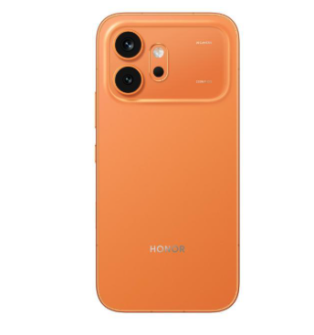
Smartphones simplify planning and daily organization. Calendar apps sync across devices, send reminders, and adjust for multiple time zones, so users rarely miss meetings or deadlines. To-do list apps help people break work into clear steps, set priorities, and track progress. Email clients, note-taking tools, and document scanners store key information in one place. Widgets and notifications surface the most important tasks at the right moment. With these tools, users create routines, reduce mental clutter, and stay focused on personal and professional goals, while also comparing options like the honor 600 price when planning device upgrades.
Enhancing Entertainment and Digital Experiences
Streaming, Gaming, and Social Media Use
Smartphones offer a full entertainment center in the pocket. People stream movies, series, and music on high‑resolution screens with immersive sound. Cloud gaming and powerful mobile GPUs let users play high‑quality games without consoles. Social media apps enable quick sharing of photos, short videos, and live streams, creating interactive experiences with friends and followers. Short‑form content platforms provide quick breaks during busy days. With offline downloads and personalized playlists, smartphones fill commutes, waiting rooms, and travel with engaging and on‑demand entertainment.
Personalized Content and AI Recommendations
AI systems on smartphones study user preferences, viewing habits, and app behavior to suggest content that feels tailored and relevant. Streaming apps recommend shows, songs, and podcasts that match mood and history. News feeds highlight topics users follow and hide uninteresting stories. Shopping apps surface products, deals, and bundles based on past purchases. Even photo galleries create automatic memories and curated albums. This personalization reduces time spent searching, helps people discover new interests, and ensures digital experiences feel useful rather than overwhelming.
Improving Health, Safety, and Daily Convenience
Health Tracking, Fitness Apps, and Well-Being
Smartphones support healthier lifestyles through integrated health platforms and fitness apps. Users track steps, heart rate, sleep patterns, and workout performance, often in sync with wearables. Coaching apps guide home exercises, yoga sessions, and breathing practices. Nutrition apps log meals and scan products to reveal ingredients and calories. Mental health tools offer mood tracking, meditation, and access to therapists or support communities. Emergency features share medical IDs or send alerts to contacts, helping people manage health conditions and respond quickly when problems arise.
Mobile Payments, Navigation, and Smart Living
Smartphones simplify daily errands and travel. Mobile wallets let users pay with a tap, store loyalty cards, and manage subscriptions securely. Navigation apps offer real‑time traffic, public transit data, and safe routes for driving, cycling, and walking. People order groceries, taxis, or meals directly from their phones and track deliveries on live maps. Smart home apps control lights, locks, thermostats, and security cameras, even from far away. These features save time, cut friction from routine tasks, and create smoother, more convenient daily living.
Conclusion
Smartphones in 2026 function as powerful all‑in‑one companions, blending communication, work, entertainment, and personal care into a single device. People use them to stay informed, meet deadlines, and enjoy tailored content, while also protecting their health and safety. Mobile payments, navigation, and smart home control further streamline everyday tasks. As hardware, networks, and apps continue to improve, smartphones will likely grow even more integrated with cars, wearables, and home devices, shaping a connected lifestyle that feels efficient, flexible, and highly personalized.





