
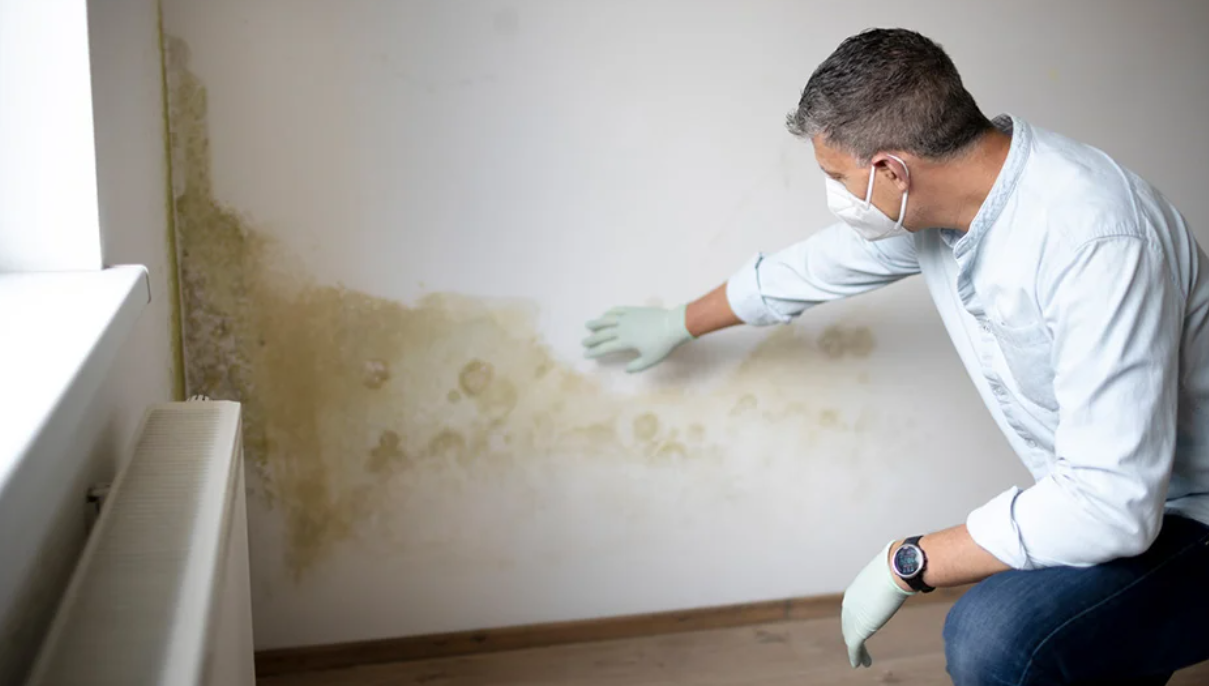
Anyone who has spent a summer in the NY and NJ metro area knows the humidity is not a minor inconvenience. It is heavy, relentless, and the kind of thing that makes you feel sticky the moment you step outside.
What most homeowners do not think about is what that same humidity is doing inside their walls, under their floors, and above their ceilings while they are focused on everything else.
Why the Tri-State Region Creates Perfect Mold Conditions
Understanding the cost of mold inspection is one conversation, but understanding why inspection matters here specifically is another, and the regional climate is the starting point for that conversation.
- New York and New Jersey summers regularly see relative humidity levels above 70 percent, which is the threshold above which mold growth accelerates significantly
- The EPA identifies indoor humidity above 60 percent as a primary driver of mold development in residential properties
- The tri-state area’s proximity to the Atlantic Ocean and its position in the humid subtropical transition zone produces some of the most persistently humid summers on the East Coast
- Dense urban and suburban construction in Bergen County, Manhattan, Brooklyn, and surrounding communities creates limited airflow between structures that compounds indoor moisture buildup
- Older housing stock throughout NJ and NYC contains materials including wood framing, plaster, and cellulose insulation that absorb and retain moisture far more readily than modern construction materials
- Central air conditioning systems that are undersized, poorly maintained, or improperly installed create condensation and elevated indoor humidity rather than reducing it
What Humidity Actually Does Inside Your Home
High outdoor humidity does not stay outside. It finds its way in through foundations, walls, attics, and every gap in the building envelope, and once it is inside, it looks for porous surfaces to settle into.
How Moisture Moves Through a Home
Humid outdoor air infiltrates through foundation cracks, window frames, attic vents, and gaps around plumbing and electrical penetrations. As it contacts cooler interior surfaces, it condenses and begins saturating materials that most homeowners never think about. Basement walls, rim joists, and crawl space subfloors are the most common first targets in NJ and NY homes.
The 24 to 48 Hour Window
The CDC and the EPA both document that mold can begin colonising a wet surface within 24 to 48 hours under the right temperature and humidity conditions. Summer in the tri-state area provides exactly those conditions throughout June, July, and August. A slow leak, a condensation problem, or residual dampness after a storm can become an active mold situation faster than most homeowners realise.
Why Air Conditioning Does Not Always Help
Running central AC seems like the obvious solution but a system that is undersized for the space, running with a dirty coil, or losing refrigerant will dehumidify inadequately while still cooling the air.
The result is a home that feels reasonably cool but has humidity levels high enough to support mold growth in areas the thermostat never reaches. Attics, crawl spaces, and closets along exterior walls are particularly vulnerable in this scenario.
The Role of Thermal Bridging in Older Homes
Older homes in Ridgewood, Montclair, and the surrounding Bergen and Essex County communities frequently have inadequate wall insulation, creating cold spots where humid interior air condenses against warm exterior walls.
This condensation within the wall cavity is invisible from inside the room but creates exactly the sustained moisture that mold requires. Pre-war and mid-century homes throughout NJ and NYC face this issue at a rate that newer construction simply does not.
Where Mold Hides in Tri-State Area Homes
The places mold grows in these homes are not always the obvious ones. A musty smell with no visible source is frequently the first indication that something is developing somewhere out of sight.
Basements and Below-Grade Spaces
Below-grade spaces in NJ and NY homes sit in direct contact with soil that holds moisture year-round, and summer humidity pushes additional moisture through foundation walls by a process called vapor diffusion.
Finished basements are particularly problematic because wall framing and drywall installed against a damp concrete wall traps moisture in a space with no airflow. A finished basement that smells musty in summer has almost certainly developed mold behind the drywall.
Attics With Inadequate Ventilation
An attic that does not ventilate effectively traps both heat and moisture during summer, creating conditions that can produce significant mold growth on roof sheathing and rafter surfaces within a single season.
Many homes in Bergen County and the surrounding NJ suburbs were built with roof designs that make retrofit ventilation improvements difficult. Attic mold is one of the most commonly missed discoveries during home inspections because it sits completely out of view.
Behind Bathroom Tiles and Under Bathroom Flooring
Grout lines and caulk in bathroom tile installations crack and degrade over time, allowing shower water to penetrate behind tile surfaces and into the substrate beneath.
This moisture accumulates unseen for months or years before any surface indication appears.
Soft spots in bathroom flooring or discoloration at grout lines are signals that something has been developing behind the surface for longer than most homeowners assume.
Kitchen Areas Including Under-Sink Cabinets
Slow leaks from supply lines and drain connections under kitchen sinks are among the most common sources of hidden mold in residential properties. The cabinet enclosure creates a dark, poorly ventilated space where any moisture from even a minor drip creates ideal mold conditions quickly. A cabinet that smells musty or shows staining on the base panel warrants immediate investigation.
HVAC Systems and Ductwork
Condensation forms on the interior surfaces of air conditioning ducts when warm humid air contacts the cool metal, and this condensation provides a consistent moisture source throughout the cooling season.
Mold growing inside ductwork then circulates spores throughout the entire home with every cycle of the system.
An AC system that produces a musty odor when it starts up is a clear signal that the ductwork or air handler coil needs professional assessment.
Crawl Spaces Under Additions
Home additions built over unconditioned crawl spaces are among the most reliably problematic areas for mold in the tri-state region.
Ground moisture evaporates into the crawl space, saturates the floor framing above, and creates conditions that affect both the structural integrity of the floor system and the air quality of the living space directly above.
Rooms over crawl spaces that feel cold in winter and damp in summer are frequently sitting over a significant mold problem.
| Location | Why It Is Vulnerable | Common Signs |
| Basement | Direct soil contact, vapor diffusion through foundation | Musty smell, white powder on walls, visible staining |
| Attic | Poor ventilation, heat and humidity accumulation | Dark staining on sheathing, musty smell in upper rooms |
| Bathroom | Grout degradation, tile substrate moisture | Soft flooring, grout discoloration, persistent musty odor |
| Under Kitchen Sink | Slow drip leaks, enclosed dark cabinet | Staining on cabinet floor, musty smell when cabinet opens |
| HVAC and Ducts | Condensation on cool duct surfaces | Musty odor when AC starts, increased allergy symptoms |
| Crawl Spaces | Ground moisture evaporation, poor airflow | Damp smell in rooms above, soft or springy flooring |
The Health Consequences of Summer Mold Exposure
Living with mold is not simply an aesthetic or structural problem. The health implications for occupants of a mold-affected home are real and documented, and they tend to be attributed to other causes until the source is identified.
Respiratory Symptoms That Show Up in Summer
Sneezing, nasal congestion, throat irritation, and persistent coughing that appear or worsen through summer months are frequently attributed to pollen and seasonal allergies. For a portion of those experiencing these symptoms, mold spores from within the home are the actual trigger. The distinction matters clinically because antihistamines and allergy medications do not address the source of the problem the way remediation does.
Children and Elderly Residents Are More Vulnerable
The CDC documents that children, elderly individuals, and immunocompromised people face significantly greater health risks from mold exposure than healthy adults. Prolonged exposure in these populations is associated with chronic respiratory conditions, sinus infections, and in cases of certain mold species, more serious systemic effects. A home with young children or elderly residents has a stronger reason to prioritise professional mold assessment.
Symptoms That Improve When Away From Home
One of the clearest diagnostic signals for indoor mold exposure is symptoms that consistently improve when the occupant is away from the home and return when they come back. This pattern suggests the home itself is the source of the irritant rather than outdoor environmental conditions.
Keeping a symptom diary across a week at home and a week traveling can provide useful information for both a physician and a mold inspector.
What Professional Mold Inspection Actually Involves
Most homeowners who have not gone through the process imagine mold inspection as a quick visual check. It is considerably more systematic than that.
Visual Inspection of High-Risk Areas
A certified inspector begins with a thorough visual assessment of all areas with known vulnerability to moisture intrusion, including basements, attics, bathrooms, kitchens, and crawl spaces. The visual inspection identifies visible growth, moisture staining, and physical signs of conditions that support mold development even where no visible mold is present.
Air and Surface Sampling
Air samples are collected indoors and outdoors and sent to a certified laboratory for analysis. The comparison between indoor and outdoor spore counts and species identifies whether a home has elevated mold levels that indicate active growth somewhere in the structure. Surface samples confirm the species when visible growth is found and inform the remediation approach.
Moisture Mapping
Professional inspectors use moisture meters and thermal imaging cameras to identify areas of elevated moisture content within building materials without cutting into walls. This non-invasive technology locates hidden moisture sources that visual inspection alone cannot detect and defines the scope of any remediation needed.
Detailed Reporting and Remediation Guidance
The inspection concludes with a written report that documents findings, identifies locations of concern, provides laboratory results, and recommends specific remediation steps.
For properties involved in real estate transactions, insurance claims, or regulatory compliance, this documentation serves a formal evidentiary purpose. A mold inspection by GAC Environmental provides the licensed, certified documentation that holds up in those contexts.
Practical Steps NJ and NY Homeowners Can Take Right Now
Not everything requires a professional visit. These are the steps any homeowner can take immediately to reduce summer mold risk.
Control Indoor Humidity
Keep indoor relative humidity below 60 percent throughout summer using a combination of air conditioning and supplemental dehumidification in basement and below-grade spaces. A hygrometer purchased at any hardware store for under twenty dollars gives you an accurate ongoing reading. Humidity above 60 percent measured indoors is reason enough to investigate further and consider professional assessment.
Inspect Visible Plumbing Connections Regularly
Check under kitchen and bathroom sinks monthly during summer for any sign of moisture, staining, or odor. Look at the supply line connections and drain assemblies and address any drip, no matter how minor, immediately. A slow drip that runs unnoticed for three months produces exactly the sustained moisture conditions that mold requires.
Ensure Bathroom Ventilation Is Working
Bathroom exhaust fans that are undersized, clogged with dust, or vented improperly dump humid air into attic spaces rather than removing it from the building.
Check that fans are actually moving air by holding a tissue near the grille during operation and verify that ductwork exits through the roof or an exterior wall. A fan that moves no air is not reducing bathroom humidity at all.
Address Any Water Intrusion After Rain Immediately
If any area of the home shows water entry after heavy rain, treat it as an urgent matter rather than something to monitor. The 24 to 48 hour mold development window means delayed response to water intrusion is one of the most direct paths to a significant mold problem.
Document the intrusion with photos and contact both a waterproofing contractor and an environmental inspector before any drying or remediation work begins.
Conclusion
Summer in the tri-state area is genuinely beautiful but it does arrive with conditions that create real risk for the homes people live in. The humidity that makes July afternoons feel thick is the same humidity working its way into basements, attics, and wall cavities throughout the season. Knowing where to look, what signs to take seriously, and when to bring in a professional inspector is what separates homeowners who catch a mold problem early from those who discover it when it has already done significant damage.





