
Few travel experiences bring people together like a group retreat in the mountains. The setting naturally encourages conversation, shared meals, and time away from everyday distractions. Fresh air, scenic views, and quiet surroundings help people slow down and reconnect. Whether the trip includes family members, close friends, or colleagues, the environment creates the perfect backdrop for meaningful time together.
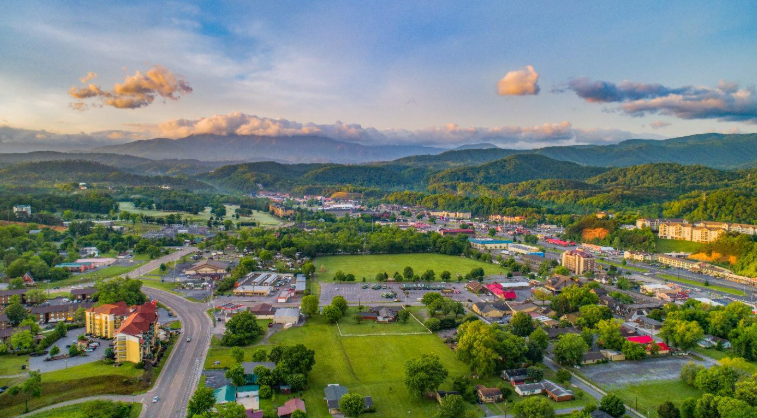
Pigeon Forge, Tennessee, is one of the most popular mountain destinations in the United States, welcoming millions of visitors each year because of its proximity to the Great Smoky Mountains National Park. The region offers hiking trails, scenic overlooks, and plenty of group-friendly attractions. Still, beautiful surroundings alone do not guarantee a successful retreat. Comfortable accommodations and thoughtful planning play a much bigger role than most people expect.
Choosing the Right Mountain Retreat Venue for a Large Group
The first and most important step in planning a group retreat is selecting the right place to stay. Large groups need more than extra beds. They need a thoughtful layout that allows people to spend time together while still enjoying personal space when needed. A crowded rental can quickly create frustration, especially during longer stays. Comfort, accessibility, and shared amenities all play a major role in creating a smooth group experience.
If you are looking for large cabins in Pigeon Forge for your group trip, there are many options available that offer spacious layouts, multiple bedrooms, and shared amenities designed to accommodate larger groups comfortably. One example is Pigeon Forge Vacation Rentals, which lists cabins built for group stays and offers properties located close to hiking trails, restaurants, and popular attractions.
Define the Purpose of the Retreat Before Planning Activities
Every successful retreat begins with a clear purpose. Before planning schedules or excursions, organizers should decide what the trip is meant to accomplish. Some retreats focus on relaxation and wellness, while others celebrate milestones such as reunions, birthdays, or team achievements. The goal will influence nearly every planning decision.
Once the purpose is defined, activities become easier to organize. A wellness-focused retreat may prioritize nature walks, quiet mornings, and group meals that encourage conversation. A celebration trip might include sightseeing, shared dinners, and time exploring local attractions together.
Clear expectations also help participants feel more comfortable. When everyone understands the retreat’s tone, there is less confusion about schedules or plans. Guests can prepare for the type of experience they are about to join.
Managing Group Size and Shared Spaces Efficiently
Group size affects nearly every aspect of retreat planning. Larger groups require more coordination, from sleeping arrangements to transportation and meal preparation. Confirming the final headcount early allows organizers to choose accommodations that comfortably fit everyone without last-minute adjustments.
Shared spaces also need careful planning. Common areas such as living rooms, dining tables, and outdoor patios should be large enough to handle group gatherings. When these spaces are too small, people tend to split into smaller groups, undermining the shared experience many retreats aim to foster.
Dividing responsibilities among participants can also make planning easier. One person might organize meals while another coordinates outdoor activities. Assigning roles reduces pressure on a single organizer and keeps everyone involved in the process.
Budgeting for a Large Group Without the Stress
Budget planning becomes easier when it starts early. Before booking accommodations or scheduling activities, the group should agree on a general spending range. This helps avoid awkward conversations later and ensures that everyone feels comfortable with the financial plan.
Breaking the total cost into clear categories also simplifies decision-making. Lodging, food, transportation, and activities should all be estimated separately. Once these numbers are clear, participants can see where adjustments might help balance the budget.
Meal Planning and Mountain Style Dining for Crowds
Food becomes central to any group retreat. Shared meals give everyone a natural time to gather, talk, and slow down after a day of activities. Planning meals helps avoid last-minute grocery runs or confusion about who is cooking. Simple menus often work best when feeding a larger group.
Consider meals that are easy to prepare in larger quantities, such as pasta, grilled meats, or taco-style dinners where everyone builds their own plate. Rotating cooking duties can also make the process fair and enjoyable. Some groups prefer grocery delivery or partially prepared catering options so they can spend more time relaxing together rather than hours in the kitchen.
Seasonal Planning: From Hiking Adventures to Fireside Relaxation
The time of year plays a major role in shaping the retreat experience. Mountain destinations offer different opportunities depending on the season. Warmer months allow groups to spend more time outside, exploring hiking trails, scenic viewpoints, and nearby parks. These activities work well for travelers who want to stay active and experience the natural surroundings.
Cooler seasons create a different but equally appealing atmosphere. Many groups choose fall or winter retreats because they encourage slower schedules and more time together indoors. Evenings often revolve around shared meals, games, and relaxed conversations. When planning activities, it helps to offer a mix of outdoor exploration and comfortable indoor options so everyone stays engaged regardless of weather conditions.
The Itinerary Balance: Group Adventures and Personal Downtime
One common mistake in group travel is overscheduling every moment. While planned activities help keep the group connected, people also need time to relax. A well-balanced itinerary usually includes one main group event each day, with flexible time around it.
Downtime allows individuals to recharge and enjoy the mountain setting in their own way. Some guests may prefer a quiet walk, reading on the porch, or exploring nearby shops. Others might gather informally for games or conversation. When the schedule leaves space for both shared experiences and personal time, the retreat feels more natural and enjoyable for everyone involved.
A Final Checklist for a Stress-Free Mountain Retreat
Before the group arrives, organizers should confirm all major travel details. Double-check cabin reservations, arrival times, and transportation plans. It also helps to share a simple itinerary, so participants understand what to expect during the trip. Clear communication prevents confusion once everyone is on location.
A shared group chat can make coordination much easier during the retreat. Participants can quickly confirm plans, ask questions, or suggest activities. It is also helpful to send packing reminders in advance, especially for mountain trips where the weather can change quickly. Preparing these small details in advance allows the group to focus on enjoying their time together.





