
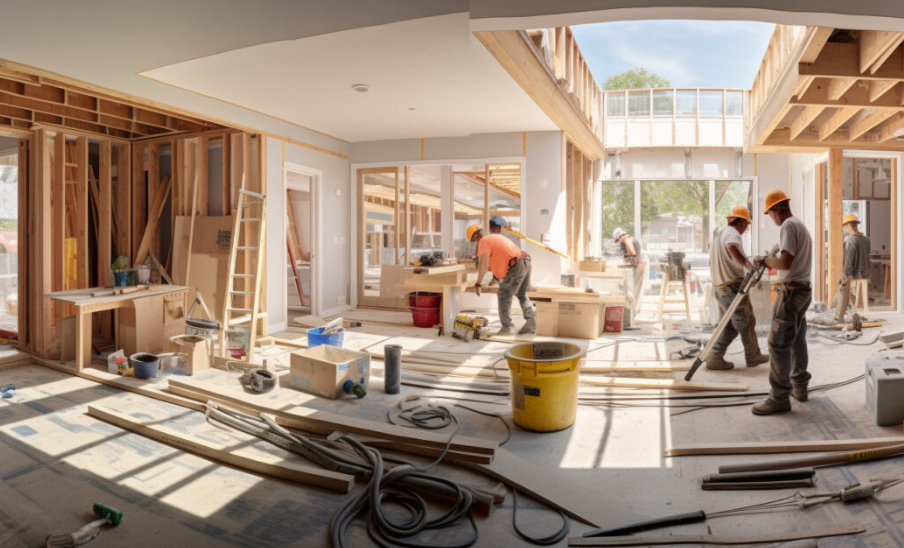
Starting a big home renovation feels exciting. A new kitchen, a better master suite, or a full addition can change how you live and boost your home’s value.
But before any walls come down, you have to deal with permits, licenses, and insurance. That part often feels like a headache, yet it’s what keeps the project legal, safer, and less likely to turn into an expensive mess.
Getting those pieces right protects your investment from day one through the final details.
Why Insurance is Non-Negotiable
A lot of homeowners assume their regular policy will cover a renovation. It usually doesn’t. Once the work goes past a low threshold—often around $5,000—standard coverage rarely protects materials, the structure, or liability on the job site.
This is where Builder’s Risk Insurance, also known as Course of Construction insurance, becomes your project’s best friend. It fills the gap by covering the structure and materials against perils like fire, wind, vandalism, and theft during the renovation.
To understand what this policy covers, its exclusions, and how it protects your specific investment, you can explore detailed information on builder’s risk coverage for a major renovation.
The Essential Homeowner’s Checklist
To simplify this complex process, here is a comprehensive checklist for permits, licenses, and insurance. Following this guide will help you lay a solid foundation for a successful and stress-free renovation.
Part 1: The Permit and License Puzzle
Before any work starts, you need to know which permits your project requires, how to confirm your contractor is properly licensed, and the costly consequences of skipping these essential steps.
1. Determine What Requires a Permit
Most purely cosmetic updates don’t need permits—think paint, flooring, or new cabinets. Once you start altering structure, though, the rules change. Removing or moving walls, changing window or door openings, or adding a room almost always requires one. Work on plumbing, electrical, or HVAC systems typically does too.
Additions, decks, garages, and in some areas even a roof or fence replacement can fall under the same requirement. Local building departments set the specifics.
2. Confirm Your Contractor’s License
A licensed contractor is more than a preference in many states—it’s required once the job hits a certain value. Checking the license is straightforward: go to the state board website and confirm it’s active, in good standing, and free of serious complaints. Specialty work may need an extra license for electrical or plumbing.
Hiring someone without proper credentials can leave you exposed to workmanship, liability, and even your own insurance and permits.
3. Research and Apply for Permits Early
Start researching and applying for permits early. Submit the required plans, understand the fees, and build the inspection schedule into the timeline. Missing an inspection can halt the project, so plan for those steps from the beginning.
4. Understand Your HOA Requirements
Check your HOA rules if you have one. Many associations set their own architectural standards and require approval for exterior changes, additions, or major interior work that affects the structure.
5. Know the Consequences of Skipping Permits
Skipping permits can create real problems:
- Fines and stop-work orders from the city
- Denied insurance claims if damage happens during unpermitted work
- Trouble selling later, since unpermitted work often raises red flags for buyers and can lower the home’s value
Part 2: Securing Your Project with the Right Insurance
Renovation projects can create risks that may not be fully covered by a standard homeowner’s policy. Reviewing your coverage, understanding additional insurance options, and verifying contractor policies can help you identify potential gaps before work begins.
1. Review Your Homeowner’s Policy
The first step is to call your current homeowner’s insurance agent. Ask them:
- What is the limit of coverage for “structures under construction”?
- Does the policy cover materials stored on-site?
- If you will be moving out during the renovation, what are the implications for a vacant home policy? Many policies have clauses that restrict coverage if a home is vacant for a certain period (e.g., 30-60 days).
2. Secure Builder’s Risk Insurance
Because standard homeowner policies fall short during construction, you’ll need Builder’s Risk insurance. It’s made specifically for renovation and building projects.
- Coverage: It protects the building under construction along with materials, fixtures, and supplies from common risks such as fire, lightning, windstorms, theft, and vandalism.
- Project term: These policies are written for a set period (6, 9, or 12 months is typical). Delays mean you’ll need to extend the policy before the end date.
- Who should buy it: The person with the largest financial interest—usually the homeowner—typically carries the policy. Still, spell out who is responsible in the contract.
3. Verify Your Contractor’s Insurance
Before signing anything, ask your contractor for a Certificate of Insurance (COI). It shows their coverage is current. Focus on two key policies. General Liability covers property damage and injuries tied to their work—like a dropped tool damaging a neighbor’s car or a guest getting hurt on site.
Workers’ Compensation is essential. It pays medical costs and lost wages if a worker gets injured. Without it, you could end up responsible for those costs.
4. Ask to Be Added as an Additional Insured
For both the Builder’s Risk and General Liability policies, ask to be named as an “Additional Insured.” This provides you with a higher level of protection and ensures you receive notifications if the policy is cancelled or lapses.
Final Thoughts
Sorting out permits, licenses, and insurance early is the most important part of a big renovation. Don’t rush it. One overlooked detail can lead to delays, higher costs, or legal trouble. Put everything in writing and ask questions when something isn’t clear.
Keep an eye on the timeline with Builder’s Risk coverage. It usually ends on a set date tied to the estimated finish. Near the end, the contractor will request a final inspection. Coverage often stops at substantial completion or once the home is occupied, so talk to your insurance agent beforehand to avoid any gap.





