
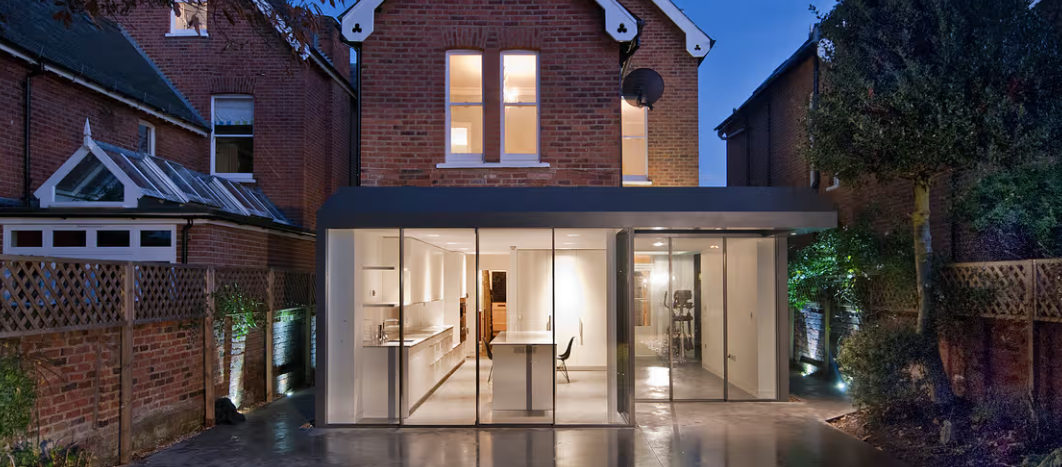
Older homes possess unique charm and character, but they often present significant challenges for modern living. From outdated aesthetics to inefficient layouts, many homeowners seek to infuse contemporary comfort into their classic residences. This comprehensive guide walks you through a room-by-room approach to modernizing your older property, blending historical elegance with modern functionality to enhance your daily life.
The Heart of the Home: Kitchen Renovation
Smart Layout and Storage Solutions
Older kitchens were often designed for a single cook, featuring isolated layouts that feel cramped by today’s standards. To modernize this space, focus on improving the flow. Knocking down a non-load-bearing wall can seamlessly connect the kitchen to the dining or living area, creating an inviting space for entertaining. Maximize storage by installing ceiling-height cabinets and incorporating deep drawers for pots and pans. Pull-out pantry shelves and hidden trash receptacles keep countertops clear, allowing the architectural details of your home to take center stage.
Contemporary Appliances and Finishes
Swapping out aging appliances for sleek, energy-efficient models instantly upgrades the functionality and aesthetic of your kitchen. Look for streamlined stainless steel or matte black finishes that offer a clean, updated look without clashing with classic architectural elements. When it comes to surfaces, consider durable quartz countertops that mimic the look of natural stone but require significantly less maintenance. Pairing these modern surfaces with a classic subway tile backsplash creates a beautiful bridge between the old and the new.
Lighting and Ambiance
Lighting is a crucial element that completely alters the mood of a room. Older homes often rely on a single overhead fixture, which casts harsh shadows and leaves work areas dark. Introduce a layered lighting scheme by installing recessed ceiling lights for general illumination, under-cabinet lighting for task work, and striking pendant fixtures over the kitchen island. Adding dimmer switches allows you to control the ambiance, transitioning smoothly from a bright, energetic morning workspace to a relaxed, intimate evening setting.
Retreat and Rejuvenate: Bathroom Upgrades
Spa-Like Fixtures and Features
Bathrooms in historic properties are frequently small and utilitarian. Transforming them into luxurious retreats requires thoughtful updates to fixtures and water systems. Consider replacing an old, bulky bathtub with a sleek, walk-in glass shower featuring dual showerheads and built-in niches for toiletries. If you are undertaking a major overhaul and want to ensure the plumbing and structural changes are handled correctly, seeking professional bathroom remodeling in Layton can provide the expertise needed to merge modern luxury with structural integrity. Upgrading to low-flow toilets and modern, widespread faucets also improves water efficiency while adding a polished look.
Maximizing Small Spaces
When square footage is limited, clever design tricks can make a bathroom feel twice its size. Floating vanities open up floor space, giving the illusion of a larger room while still providing essential storage. Installing a large, frameless mirror reflects light around the room, further expanding the visual boundaries. Recessed medicine cabinets and built-in wall shelving offer practical storage solutions that do not intrude on the physical footprint of the room, keeping the space uncluttered and serene.
Tiling and Material Choices
The right materials tie the entire bathroom together. Large-format tiles on the floor and walls reduce the number of grout lines, creating a clean, seamless appearance that is easy to maintain. For a nod to the home’s history, you might incorporate modern geometric patterns using classic materials like marble or porcelain. Heated flooring is a hidden modern luxury that adds tremendous comfort during colder months, completely elevating the daily routine of getting ready.
Comfort and Style: Living and Dining Areas
Open-Concept Design Considerations
Traditional homes typically feature segmented living and dining rooms. While this provides privacy, it can also make the home feel dark and disconnected. Carefully opening up these archways or removing partition walls fosters a more inclusive atmosphere. When modifying the layout, preserve structural character like original crown molding, baseboards, or exposed beams. These historical touchstones provide warmth and texture, preventing the newly opened space from feeling too sterile or aggressively modern.
Furniture Selection and Arrangement
Modernizing a living area relies heavily on the furniture you choose and how you arrange it. Instead of pushing seating against the walls, pull furniture toward the center of the room to create intimate conversational groupings. Mix contemporary pieces featuring clean lines and neutral fabrics with one or two antique accent pieces to honor the home’s heritage. A large, unified area rug helps define the living space within an open-concept layout, grounding the contemporary furniture arrangement.
Integrated Technology and Entertainment
Today’s entertainment systems can easily disrupt the classic aesthetic of an older living room with a tangle of cords and bulky black screens. Modernize the space by concealing technology. Mount ultra-thin televisions flush against the wall or hide them behind custom cabinetry or motorized artwork. Run wiring behind the drywall to keep the visual field clean. Wireless speakers can be discreetly tucked onto bookshelves or integrated into the ceiling, providing high-quality audio without the visual clutter of traditional stereo equipment.
Personal Sanctuary: Bedroom Modernization
Creating a Serene Environment
The bedroom should be a sanctuary dedicated to rest and recovery. Older bedrooms often suffer from drafts, poor insulation, or peeling paint. Begin by refreshing the walls with a calming, contemporary color palette—soft grays, muted greens, or warm off-whites. Upgrading the windows not only improves the room’s energy efficiency but also significantly reduces outside noise, creating a quieter environment. Layering textured linens, plush rugs, and blackout curtains adds immediate comfort and a touch of modern luxury.
Storage and Organization
Closet space is notoriously lacking in older homes. To bring the bedroom up to modern standards, consider installing custom closet organization systems that maximize every inch of vertical space. If building out a closet is not an option, high-quality freestanding wardrobes with sleek, minimalist hardware can provide excellent storage without requiring structural changes. Beds with built-in storage drawers underneath offer another clever way to keep extra bedding and seasonal clothing out of sight.
Smart Home Integration for Comfort
Introducing modern convenience into a classic bedroom is simple with smart home integration. Install programmable thermostats to ensure the room is always at the perfect sleeping temperature. Automated window treatments can be scheduled to rise with the sun, promoting a natural waking cycle. Smart lighting systems allow you to turn off all the lights from the comfort of your bed using a smartphone application. These subtle technological additions drastically improve daily comfort without altering the room’s visual charm.
Beyond the Interiors: Exterior and Curb Appeal
Landscaping and Outdoor Living
A home’s exterior sets the tone for the entire property. Modernize your curb appeal by updating the landscaping with clean, geometric planting beds and low-maintenance native plants. Creating a functional outdoor living space, such as a paved patio or a composite deck, extends your home’s usable square footage. Equip these areas with comfortable, weather-resistant seating and modern outdoor lighting to create a perfect environment for evening gatherings.
Entryway Enhancements
The front door is the focal point of the exterior. Upgrading to a modern, secure door with clean lines and frosted glass panels instantly updates the facade. Paired with contemporary house numbers, a sleek mailbox, and modern wall sconces, the entryway becomes highly inviting. Repairing and resurfacing old concrete walkways or replacing them with natural stone pavers provides a clean, welcoming path to your updated home.
Energy Efficiency Improvements
Modernizing an older home is not just about aesthetics; it is also about performance. Older homes are notorious for poor energy efficiency. Updating exterior siding, reinforcing roof insulation, and installing modern, energy-efficient windows reduce utility bills and decrease the home’s carbon footprint. Adding solar panels—strategically placed to minimize their visual impact from the street—brings the home firmly into the modern era, ensuring it is sustainable and efficient for decades to come.
Conclusion
Modernizing an older home is a highly rewarding endeavor that breathes exciting new life into cherished spaces. By thoughtfully combining contemporary design elements with the existing charm of your property, you create a residence that is beautiful and highly functional. The true goal is not to erase history, but to enhance it, making your home a stylish reflection of modern living.





