
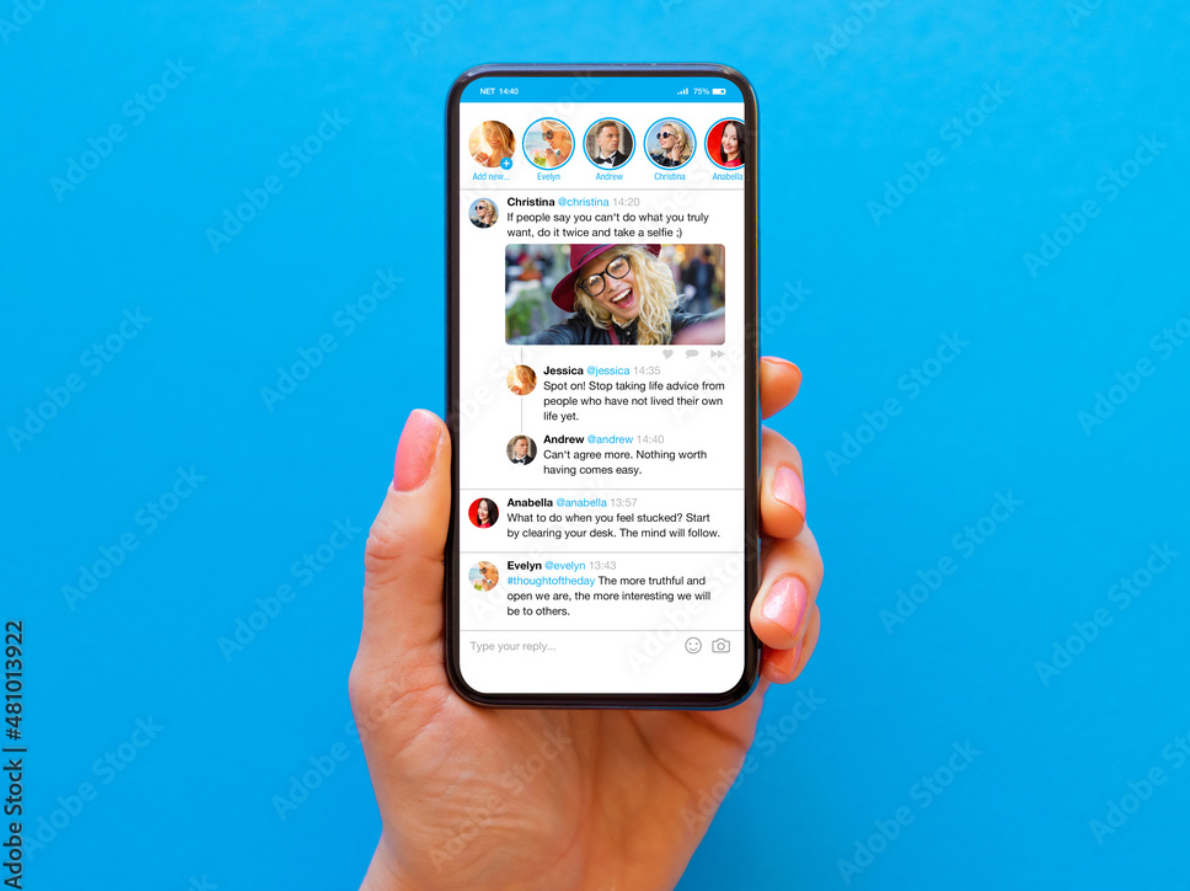
A Ridgewood morning can now start with a text about a road closure, a school email about pickup, a local blog headline, and a neighbor’s post about a fundraiser. Residents aren’t waiting for one daily source to tell them what happened, what’s open, or where to go next.
Local information can still be hard to sort because useful updates arrive beside opinions, old screenshots, repeated rumors, and secondhand details. The challenge is knowing where to look, what to trust, and when to share something without adding more confusion.
Local News Arrives Through Many Doors
A planning board meeting, police update, restaurant opening, school vote, or storm warning may reach different people through different routes. Some residents see it on a homepage. Others hear about it in a parent group, a text thread, or a newsletter forwarded by a friend. The old front page has been replaced by several entry points.
People also run into news while using social apps for other reasons, which affects how local stories travel. A missing dog post can move faster than a town notice, while a short clip from a public meeting may get more attention than the full agenda.
Digital Discovery Changes What People See
As social media trends influence what gets ranked, shared, and resurfaced, residents may learn about a road closure, zoning dispute, or charity drive from a neighbor’s post before they visit a news site. Search habits matter too, especially when someone needs a detail quickly rather than a full recap.
That speed helps during storms, traffic problems, and last-minute event changes, but an algorithm doesn’t work like an editor. A widely shared rumor can look more urgent than a verified update. A post with an old date can return to the top of a feed because people started commenting again, so readers need to check dates and sources before reacting.
Events and Services Need Better Signals
Local events used to depend heavily on flyers, newspaper calendars, and word of mouth at schools, churches, libraries, and shops. Those routes still matter, but they now sit beside Instagram posts, email lists, online calendars, and neighborhood groups. A small concert, blood drive, sidewalk sale, or youth sports registration can be missed if it only appears in one place.
Trash pickup changes, construction notices, train delays, permit rules, library hours, and emergency alerts are most useful when residents can find them at the moment they need them. Time, location, parking, rain plans, costs, registration details, and update times should be easy to spot without hunting through comments or cropped screenshots.
Better Habits Help the Whole Town
In communities where local reporting has thinned out, residents often lean on social media groups, influencers, friends, and family to keep up. Those channels can be useful, but they work best when paired with reporting, clear town updates, and residents who are careful about what they pass along.
Residents can keep the routine simple by picking a few trusted local sources, subscribing to the updates they actually read, checking dates before sharing, and sending corrections when they spot bad information. Local news works better when people don’t just scroll past it, but help it move through the community accurately.






Newspapers are dead…