
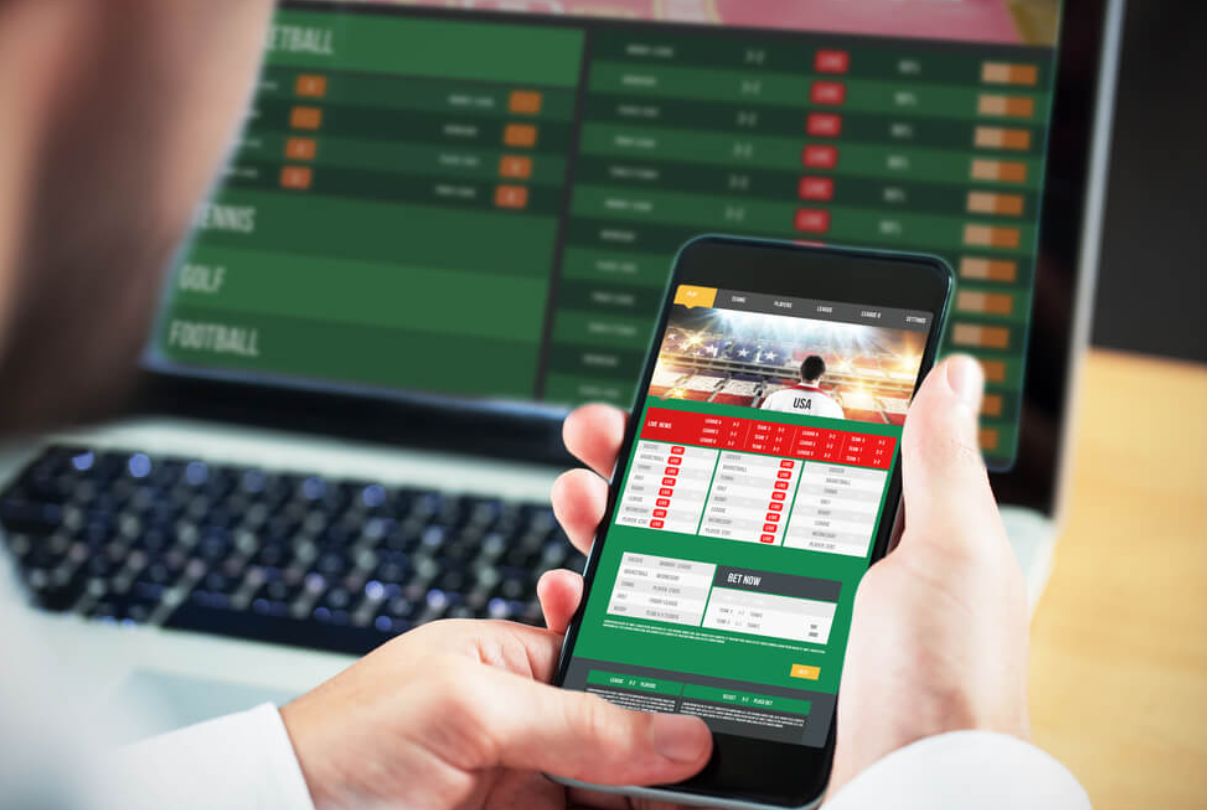
For decades, sports betting and online casino gaming existed as two completely separate entertainment ecosystems. Traditional sportsbooks ran on a slow, deliberate pacing model: you researched an upcoming match, selected a point spread or moneyline winner, locked in your wager before the opening whistle, and then waited several hours for the event to conclude. Casino gaming, by contrast, thrived on instant gratification, delivering high-velocity rounds that settled in seconds. However, data-driven shifts across the global landscape have completely shattered this historical barrier. The explosive rise of microbetting has introduced casino-speed pacing directly into the live sports environment.
Blending In-Play Sports with High-Velocity Mechanics
Microbetting—often referred to as ultra-live or snapshot wagering—is the practice of placing bets on hyper-specific, microscopic outcomes within a sporting event. You are no longer betting on who wins the game or even who scores the most points in a quarter. Instead, you are wagering on events that resolve in a matter of minutes or seconds.
The Real-Time Feed Innovation
This hyper-focused format turns passive sports viewing into an active, high-energy gaming session. If you log into a modern, unified entertainment platform like Lucky Ones Casino Canada, you will see how sports betting software has been completely rebuilt around live data feeds.
- The Micro-Market Shift: Rather than static pre-game odds tables, the user interface serves up a continuous stream of rapid, localized propositions.
- The In-Play Loop: In a baseball game, you can wager on the exact outcome of the very next pitch (Strike, Ball, or Hit). In a football match, you can bet on whether the next play will be a pass or a run.
- The Instant Settlement: The moment the play concludes on the field, the system processes the data and settles your wallet balance instantly, letting you rotate your capital straight into the next play.
Technical Infrastructure: The Engine Behind Microbetting
Processing thousands of hyper-fast, changing prop markets simultaneously across millions of user accounts requires an immense amount of technological firepower. Legitimate sportsbooks have completely abandoned legacy server arrays to support these real-time micro-markets.
Leveraging Automated Machine Learning Algorithms
Traditional live betting required human odds compilers to manually adjust lines during commercial breaks or halftime intervals. Microbetting makes human compilation completely impossible.
- Algorithmic Modeling: Specialized AI engines ingest historical player data, current weather conditions, and active game fatigue metrics.
- Predictive Data Pipelines: The algorithm models thousands of potential outcomes for the next play in a fraction of a millisecond.
- Frictionless Odds Generation: The software pushes updated pricing lines directly to your phone screen before the players even break their huddle.
The Battle Against Data Latency
To keep microbetting completely fair, developers design platforms to fit within strict latency budgets. Leveraging ultra-fast 5G connectivity benchmarks—which hit median latencies of roughly 44 milliseconds—guarantees that live odds updates, wallet syncs, and optical character tracking stay perfectly aligned with the real-time broadcast. This eliminates the annoying “loading wheels” or locked betting screens that used to ruin the live wagering experience.
Structural Comparison: Traditional Live Betting vs. Microbetting
| Wagering Performance Metric | Traditional In-Play Live Betting | Modern 2026 Microbetting Systems |
| Average Settlement Timeline | 15 Minutes to 2 Hours (Quarter or Full-Game resolution) | 10 Seconds to 3 Minutes (Play-by-play or single-pitch resolution) |
| Pricing Engine Model | Human compilers assisting baseline statistical models | Pure automated machine learning algorithms operating in real time |
| System Latency Tolerances | Flexible (Lines can freeze temporarily during active play) | Microscopic (Requires low latency under 50 milliseconds) |
| Wager Frequency Capacity | Low to Moderate (A few calculated bets per game) | High-Velocity (Dozens of rapid, rolling stakes per session) |
Maintaining Strict Bankroll Control in a Rapid Environment
While microbetting adds incredible engagement and fun to watching a live game, its high-velocity nature means it requires a unique, disciplined approach to money management. Because wagers settle so quickly, emotional choices can drain your session bankroll much faster than traditional betting models.
Adjusting Your Unit Sizes Defensively
If you want to integrate play-by-play wagers into your sports viewing habits, you must fundamentally adjust your unit sizes downward.
- The Baseline Rule: If your standard pre-game bet size is a full 2% unit of your total bankroll, your microbetting unit size should drop to a fractional 0.25% or 0.50% per stake.
- The Volume Offset: This defensive downscaling ensures that placing 20 or 30 hyper-fast bets over the course of a single football game won’t accidentally overextend your budget.
- The Safety Net: Proactively utilize the automated single-session limit settings inside your user dashboard to lock your sports wallet once your designated spending cap for that specific game is reached.
Navigating the Future of Live Sports Gambling Safely
Microbetting represents a massive milestone in the evolution of digital sportsbooks, successfully combining the statistical depth of athletic events with the fast-paced thrill of casino software. By utilizing advanced machine learning and ultra-low latency infrastructure, platforms have transformed live sports broadcasts into highly interactive, responsive entertainment arenas. If you want to experience this fast-paced format, remember to treat it strictly as a lighthearted addition to the game rather than a financial strategy. Keep your head cool, scale your unit sizes down defensively, and watch the plays unfold responsibly.





