
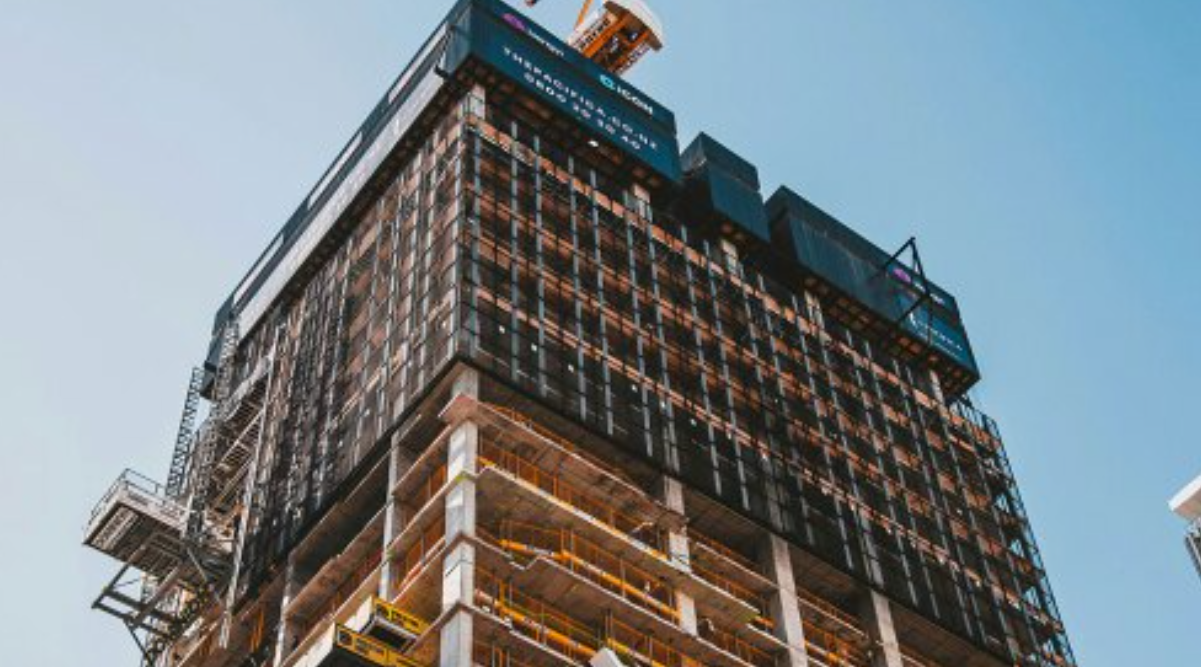
Construction budgets rarely match what actually gets spent once work begins. A carefully planned project can still cost considerably more than the figure on the original quote, because expenses only become clear once digging starts and the site is properly underway. Clients tend to focus on the big, visible numbers such as labour and materials, while smaller costs quietly stack up in the background.
This matters because underestimating a project rarely means missing the target by a small margin. It usually means scrambling for extra funds partway through, or cutting corners on parts of the build that were never meant to be compromised. Looking at where hidden costs tend to come from makes it easier to plan a budget that survives contact with reality.
Equipment and Plant Costs Can Tip a Budget Either Way
Diggers, dumpers and compactors are one of the more overlooked lines in a construction budget, since they can be hired, bought new or bought second-hand, each with a different effect on cash flow. Financing new machinery ties up capital that could go toward labour instead, so many builders reduce that upfront outlay by sourcing used equipment through plant auctions rather than a new purchase. Buying this way brings reliable machinery onto a site at a fraction of the cost, though it still needs checking for condition and history first.
Professional Fees and Permissions Add Up Fast
Architects, engineers and planning consultants are usually billed as a percentage of the build cost rather than a flat fee, running from around 3% for basic drawings to 15% or more for a fully managed design service, according to a breakdown of typical extension costs. Many projects also need planning permission or a lawful development certificate, each with its own charge. Skipping proper advice at this stage tends to cost more later in redesigns.
Ground Conditions and Site Access Add Their Own Costs
Soil conditions, drainage and buried services can change the shape of a project once the first trench is dug, and a site that looks straightforward on paper might hide old foundations or need drainage work absent from the original design. A hard-to-reach or sloped plot adds cost too, since deliveries may need smaller vehicles making more trips. Weather compounds this, as heavy rain can halt groundwork for days. None of it shows on an early quote, yet together it can account for a real share of the final bill.
Material and Labour Costs Rarely Stay Fixed
Prices quoted at the start of a project are a snapshot, not a guarantee. Input costs for construction materials climbed sharply during one recent stretch, with close to half of firms surveyed reporting a rise in their cost burdens within a single month. Labour costs move similarly, especially once a project overruns and trades need rebooking at short notice.
Building a Contingency That Actually Covers the Gaps
Setting aside a fixed contingency of ten to fifteen percent has become fairly standard advice, though the right figure depends on how much of the site’s condition and permissions are confirmed already. Older buildings and anything involving groundwork deserve a larger buffer than a straightforward new build on flat, surveyed land. Treating that contingency as part of the budget from day one produces a far more honest picture of what a project will actually cost.





