
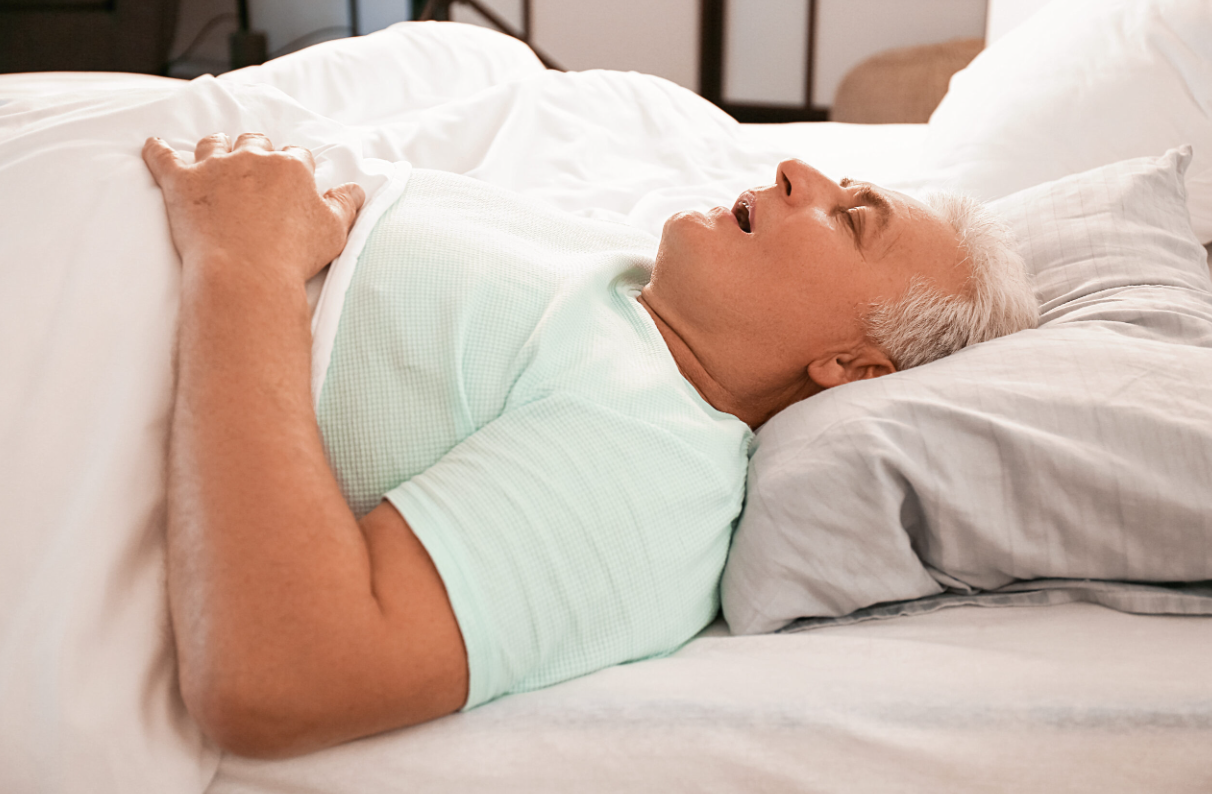
We’ve all heard someone joke about a partner whose snoring sounds like a freight train barreling through the master bedroom. For a long time, heavy snoring was just seen as a noisy habit or a minor annoyance that might force a spouse to sleep on the couch. We tend to laugh it off as a sign of deep sleep, but the reality behind that noise is often much more serious than a simple nighttime disturbance.
When someone snores loudly and gasps for air, it is usually a sign that their airway is physically collapsing, stopping their breathing for seconds at a time. This isn’t just “loud sleeping”—it is a repetitive cycle of suffocation that puts the body into a state of high alert. Instead of the brain and heart getting the rest they need to recover from the day, they are forced to deal with a constant series of emergencies all night long.
If you or a loved one are struggling with these symptoms, it is time to look past the surface-level noise and consider the internal impact. Snoring is often the loudest warning sign of a condition that can lead to permanent damage if left unmanaged. Consulting a sleep medicine specialist in Houston is essential for screening for Obstructive Sleep Apnea (OSA) and protecting your long-term heart health.
The Physical Stress of Oxygen Drops on the Heart
Every time your breathing stops during sleep, the level of oxygen in your blood takes a sudden and dangerous dive. Your brain notices this drop immediately and sends out a frantic “panic” signal to wake you up just enough to take a breath. This isn’t a peaceful process; it’s a jolt of adrenaline that spikes your heart rate and tightens your blood vessels in the middle of the night.
This constant “on-and-off” cycle of oxygen deprivation forces your heart to pump much harder than it ever should while you are supposed to be resting. Imagine running a sprint, stopping for a few seconds, and then immediately sprinting again, over and over for eight hours straight. That is essentially what your cardiovascular system is going through while you think you are just having a rough night’s sleep.
Over time, this relentless physical stress begins to change the very structure of the heart and the arteries. The walls of the heart can thicken, and the vessels can become less flexible as they try to cope with the nightly pressure. This isn’t just about feeling tired the next day; it is about the wear and tear that happens when your body never gets a chance to truly power down.
The Persistent Link Between Sleep Apnea and Hypertension
One of the most common and frustrating consequences of untreated sleep apnea is the development of chronic hypertension, or high blood pressure. While many factors can cause your numbers to climb, sleep-disordered breathing is a massive contributor that is often overlooked in standard checkups. When your body spends the night in a state of high stress, that elevated pressure doesn’t just disappear when the sun comes up.
In many cases, patients find themselves dealing with high blood pressure that seems completely resistant to standard medications. They might be taking multiple prescriptions, yet their numbers stay stubbornly high because the root cause—the nightly suffocation—is still happening every time they close their eyes. The heart is being conditioned to stay in a “fight or flight” mode around the clock, leading to a dangerous new baseline.
Treating the apnea is often the missing piece of the puzzle for getting these blood pressure numbers back into a safe and healthy range. Once the airway is kept open and the oxygen levels stay steady, the heart can finally stop overworking itself. Addressing the breathing issue is one of the most effective ways to lower your overall cardiovascular risk and make your other health treatments more effective.
How Effective Treatment Can Restore Your Longevity
The good news is that effective treatment can drastically reduce the strain on your cardiovascular system and improve your overall longevity. Tools like CPAP machines or custom-made oral appliances work by keeping the airway physically open so that your oxygen levels never take those dangerous dives. Once you start breathing consistently, your heart rate stabilizes, and your body can finally get the deep, restorative rest it needs.
Many patients describe a life-changing shift in their energy, focus, and mood within just a few nights of starting their treatment plan. They no longer wake up feeling like they’ve been in a fight, and their daytime fatigue begins to disappear. More importantly, the internal benefits—like lower blood pressure and a steadier heart rhythm—begin to take effect immediately behind the scenes.
A commitment to your sleep health is one of the best gifts you can give to your heart and your family. Whether it is a machine or a specialized dental device, finding the right fit for your lifestyle is the key to staying consistent. A quiet night isn’t just about silence for your partner; it’s about a healthier, longer, and more vibrant life for you.





