
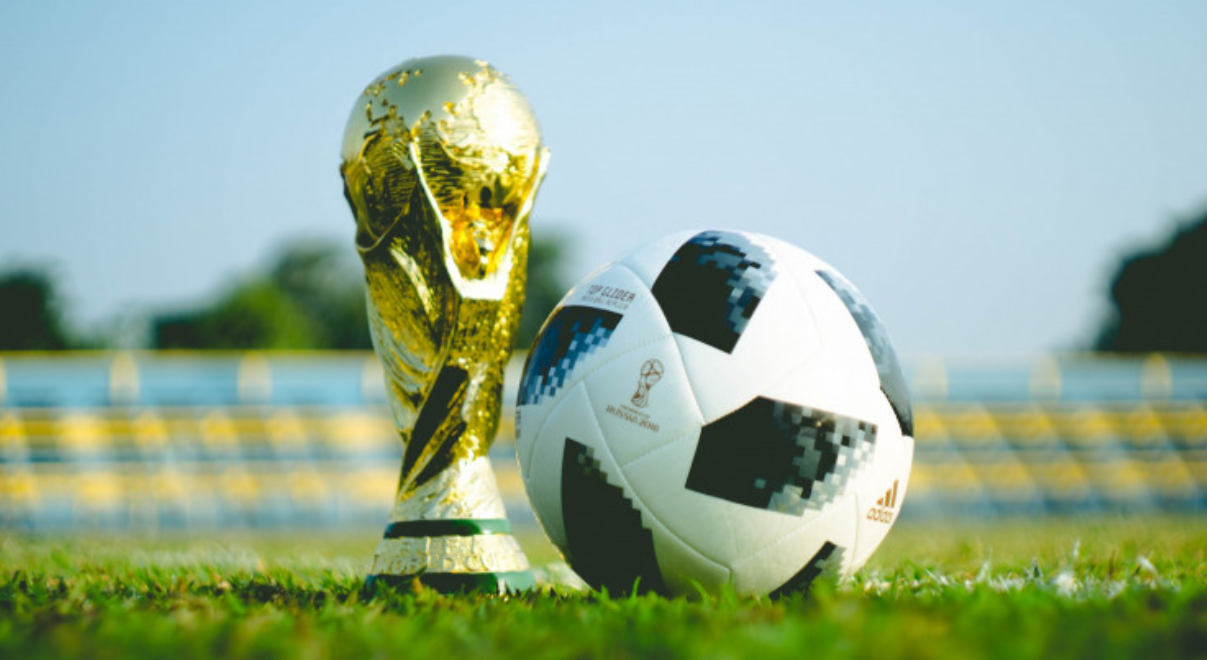
The Shocking Reason the World Cup Banned Artificial Turf—And Why Our Kids Are Still Playing on It
the staff of the Ridgewood blog
Ridgewood NJ, When FIFA quietly mandated that the 2026 World Cup be played entirely on natural grass, the massive decision barely registers outside of hardcore sports business circles. But it should have sent shockwaves straight to every neighborhood group, PTA, and youth league in America.
The world’s most powerful soccer federation drew a hard line in the sand: elite athletes will not play on synthetic turf. If that high-stakes safety call gives you pause while watching your own children sprint across a rubber-pellet-covered field every weekend, it absolutely should.

While artificial turf is relentlessly marketed to schools and local towns like Ridgewood as a low-maintenance, ultra-durable, and even eco-friendly alternative to grass, a disturbing body of scientific evidence tells a much darker story—one involving hidden carcinogens, neurotoxicants, and a massive regulatory safety gap.
What Is Synthetic Turf Actually Made Of? (Hint: It Isn’t Just Plastic Grass)
Synthetic turf fields are highly complex chemical systems. According to researchers at the Mount Sinai Institute for Exposomic Research, modern turf fields are constructed using several toxic layers:
-
The Plastic Blades: Synthetic fibers usually engineered from nylon, polypropylene, or polyethylene.
-
The Backing and Drainage: The synthetic structure that holds the plastic grass blades together.
-
The Infill Layer: The cushioning layer packed underfoot—and this is where the most severe public health threat hides.
The most widely used infill on youth sports fields is crumb rubber, which is made by shredding used, recycled automobile tires. Every single tire crushed into crumb rubber carries the chemical legacy of heavy industrial manufacturing.
A comprehensive 2023 scientific review revealed that tire crumb rubber contains volatile organic compounds (VOCs), heavy metals, and per- and polyfluoroalkyl substances (PFAS). In fact, studies conducted by the U.S. EPA confirmed the presence of over 350 chemicals in common crumb rubber infill—and we only have safety data for about half of them. The potential danger is so stark that the European Union has already banned the sale of microplastic infill entirely.
Toxic Ingredients Hiding in Plain Sight
The exact chemical blueprint of a standard school turf field reads less like a sports arena and more like a hazardous waste inventory. Mount Sinai’s extensive research explicitly flags the following materials on artificial fields:
-
Known Human Carcinogens: Benzene, arsenic, cadmium, chromium, crystalline silica, and PFAS.
-
Neurotoxicants: Lead, zinc, VOCs, and SVOCs.
-
Respiratory Irritants: Chromium, crystalline silica, and toxic dust particles.
-
Reproductive Toxicants: Endocrine-disrupting phthalates.
Lately, scientists have sounded the alarm over PFAS (“forever chemicals”) baked directly into the plastic grass blades and backing. Because PFAS never naturally break down, they leach from local sports fields into adjacent groundwater, contaminating nearby drinking water supplies and entering the human body.
How Are Our Children Exposed to Turf Toxins?
The toxic components of artificial turf do not stay locked inside the plastic and rubber. According to public health experts, athletes absorb these chemicals via three primary exposure pathways:
1. Inhalation
On hot days, turf fields act as chemical ovens. Artificial surfaces trap heat, reaching temperatures up to 60°F hotter than natural grass—sometimes soaring past 200°F. This extreme heat accelerates the off-gassing of volatile chemicals, creating a toxic vapor zone that kids breathe in directly while exerting themselves. Indoor fields carry an even higher risk due to stagnant ventilation.
2. Dermal Contact & “Turf Burns”
Sliding, diving, and falling on rough plastic fibers causes skin abrasions known as “turf burns.” These open wounds act as a direct gateway, allowing heavy metals and PFAS to bypass the skin’s protective layer and absorb straight into a child’s bloodstream.
3. Ingestion
Young children frequently touch the loose rubber pellets and then accidentally transfer them to their mouths, swallow them, or get them trapped in their sports mouthguards.
Why Kids Face the Highest Risk: Children inhale more air and absorb more chemicals relative to their body weight than adults do. Because their detoxification systems are still developing, they lack the physical maturity to effectively process these cumulative industrial exposures.
The Medical Catch-22: Is Precautionary Logic Missing?
A common defense from the chemical and turf industries is that long-term human health data tracking specific diseases to turf fields remains limited. Most existing studies look exclusively at detecting chemicals, not long-term disease outcomes.
However, a lack of definitive human trials isn’t a clean bill of health; it’s a massive red flag. The individual chemicals inside crumb rubber (like benzene, lead, and PAHs) are universally recognized as dangerous in every other aspect of public health. Waiting for a generation of kids to get sick before demanding policy changes runs counter to basic precautionary health safety.
Action Plan: How Parents and Communities Can Fight Back
You don’t have to wait for slow-moving federal regulations to protect your family. If your kids have no choice but to play on artificial surfaces, use these safety rules to drastically reduce chemical exposure:
-
Ban Turf Play on Scorching Days: When the sun is blazing, the off-gassing and heat-stroke risks reach peak levels.
-
Stop Pre-Game Lounging: Keep kids from sitting, stretching, or picnicking directly on the synthetic surface when they aren’t actively playing.
-
Wear Protection: Ensure your child wears long socks, sleeves, or athletic tights to minimize skin-to-turf contact and stop turf burns.
-
Rigorous Post-Game Hygiene: Wash hands immediately after leaving the field, clean all cuts instantly, and enforce a strict shower-after-play rule.
-
Leave the Field Outside: Keep turf pellets from entering your home. Take off cleats and athletic gear at the door, shake them out outside, and thoroughly vacuum any rogue black rubber pellets.
The Big Picture: Advocate for Natural Grass
Beyond individual habits, it’s time for local community advocacy. When school districts or towns look to update sports complexes, push local leaders to opt for organic, natural grass fields engineered with modern underground drainage systems. —
The Takeaway
At its core, FIFA’s grass-only policy was a corporate risk management calculation. They calculated that multi-million dollar elite athletes should not be subjected to the chemical hazards and elevated injury rates of synthetic turf when natural grass is available.
If synthetic turf isn’t safe enough for the world’s highest-paid professional soccer stars, it isn’t safe enough for our children.
Tell your story #TheRidgewoodblog , #Indpendentnews, #information, #advertise, #guestpost, #affiliatemarketing,#NorthJersey, #NJ , #News, #localnews, #bergencounty, #sponsoredpost, #SponsoredContent, #contentplacement , #linkplacement, Email: [email protected]
#YouthSports #ParentingTips #ArtificialTurf #PFAS #WorldCup2026 #ChildSafety #EnvironmentalHealth






See no evil, hear no evil
Ridgewood Council and KK choose to ignore.