
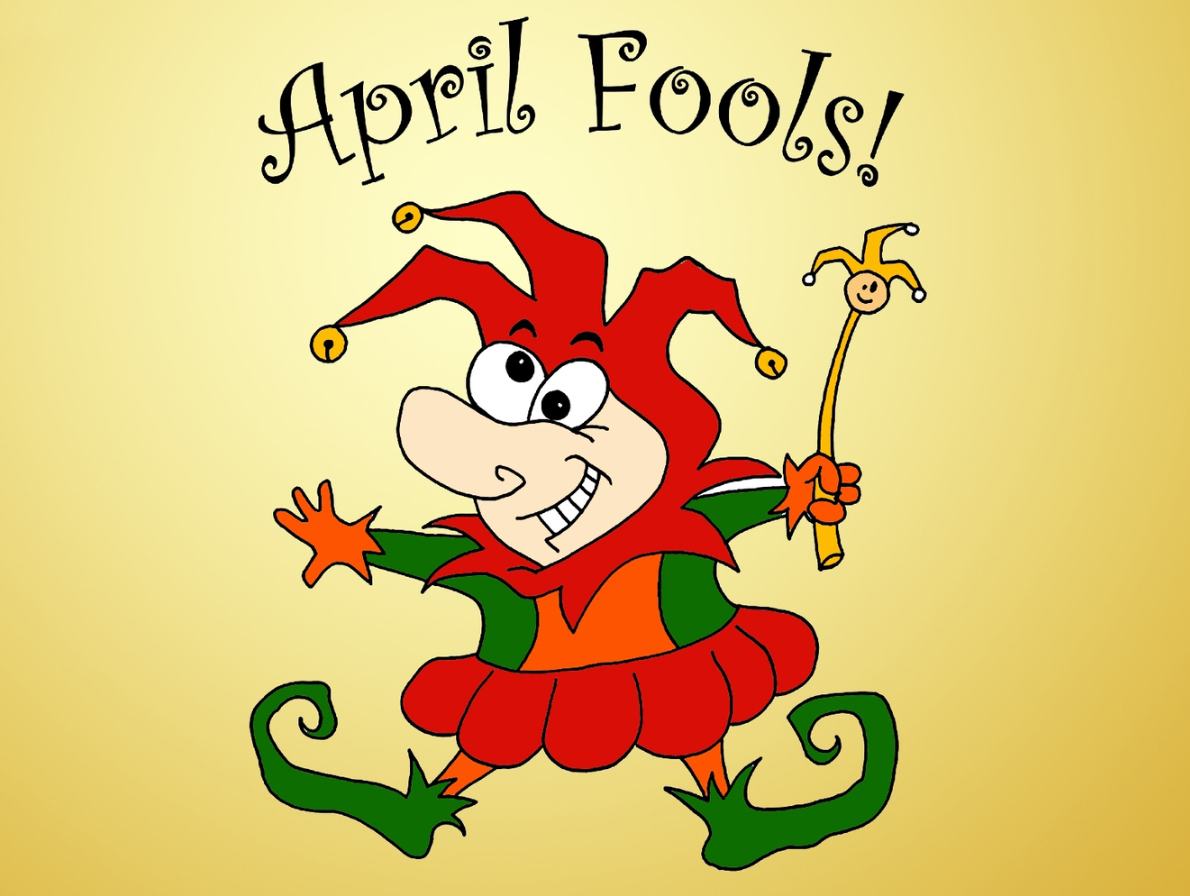
Why Do We Prank? The Hilarious (and High-Stakes) History Behind April Fools’ Day
the staff of the Ridgewood blog
Ridgewood NJ, Every April 1st, the world collectively agrees to trust nothing and no one. From tech giants launching fake products to that classic “your shoelaces are untied” gag, April Fools’ Day is a global phenomenon. But here is the real kicker: the true origin of the holiday is one of history’s greatest mysteries.
Was it a calendar glitch, a medieval typo, or just Mother Nature having a laugh? Let’s dive into the most compelling—and funny—theories behind the day of “misrule.”
1. The Great Calendar Chaos of 1582
The most widely accepted theory takes us back to 16th-century France. Before 1582, much of the world used the Julian Calendar, where the New Year was celebrated around the vernal equinox (March 25), peaking on April 1.
-
The Switch: When France transitioned to the Gregorian Calendar, New Year’s Day moved to January 1.
-
The “Fools”: Communication traveled slowly in the 1500s. People who hadn’t heard the news—or those who stubbornly refused to change—continued to celebrate in April.
-
The Prank: Modernists began mocking these traditionalists by sending them on “fool’s errands” or pinning paper fish to their backs. To this day, the French call the holiday Poisson d’Avril (April Fish).
2. The 600-Year-Old Literary “Typo”
Could a spelling error in the 1300s have shaped our modern holidays? Some scholars point to Geoffrey Chaucer’s The Canterbury Tales (1392).
In the text, Chaucer describes a trick occurring “32 days after March began.” While readers interpreted this as April 1, many historians now believe it was a clunky way of saying May 3—or perhaps just a scribal error. If true, we’ve been pranking each other for centuries based on a medieval autocorrect fail!
3. Ancient Festivals of “Misrule”
Long before the 1500s, ancient cultures used the end of March to blow off steam after long winters.
-
Hilaria (Ancient Rome): A festival where citizens dressed in disguises and mocked their neighbors (and even government officials!).
-
Holi (India): The vibrant Hindu “Festival of Colors” often falls near the end of March and is famous for lighthearted pranks and throwing colored powder.
-
Mother Nature’s Trickery: Some argue the “fooling” comes from the weather. Early April is notorious for unpredictable cold snaps that “fool” people into thinking spring has fully arrived.
4. The “King Kugel” Hoax: A Meta-Prank
In 1983, a Boston University professor named Joseph Boskin pulled off the ultimate meta-prank. He told an Associated Press reporter that the holiday began during the reign of Constantine.
The story went that a group of court jesters told the Emperor they could run the empire better than him, so Constantine appointed a jester named Kugel as “King for a Day.” The AP ran the story nationwide, only to realize later that Boskin had made the whole thing up as an April Fools’ joke.
The Golden Rule: Don’t Get Pranked After Noon!
If you’re celebrating in the UK, Australia, or South Africa, there’s a strict “statute of limitations” on your jokes. According to tradition, all pranks must stop at midday. If you try to pull a fast one at 1:00 PM, you are officially the April Fool!
Tell your story #TheRidgewoodblog , #Indpendentnews, #information, #advertise, #guestpost, #affiliatemarketing,#NorthJersey, #NJ , #News, #localnews, #bergencounty, #sponsoredpost, #SponsoredContent, #contentplacement , #linkplacement, Email: [email protected]
Tags: #AprilFoolsDay #HistoryMysteries #PoissonDAvril #PrankHistory #FunFacts #CulturalTraditions #April1st






we were fooled for 4 years by a mindless old Biden