
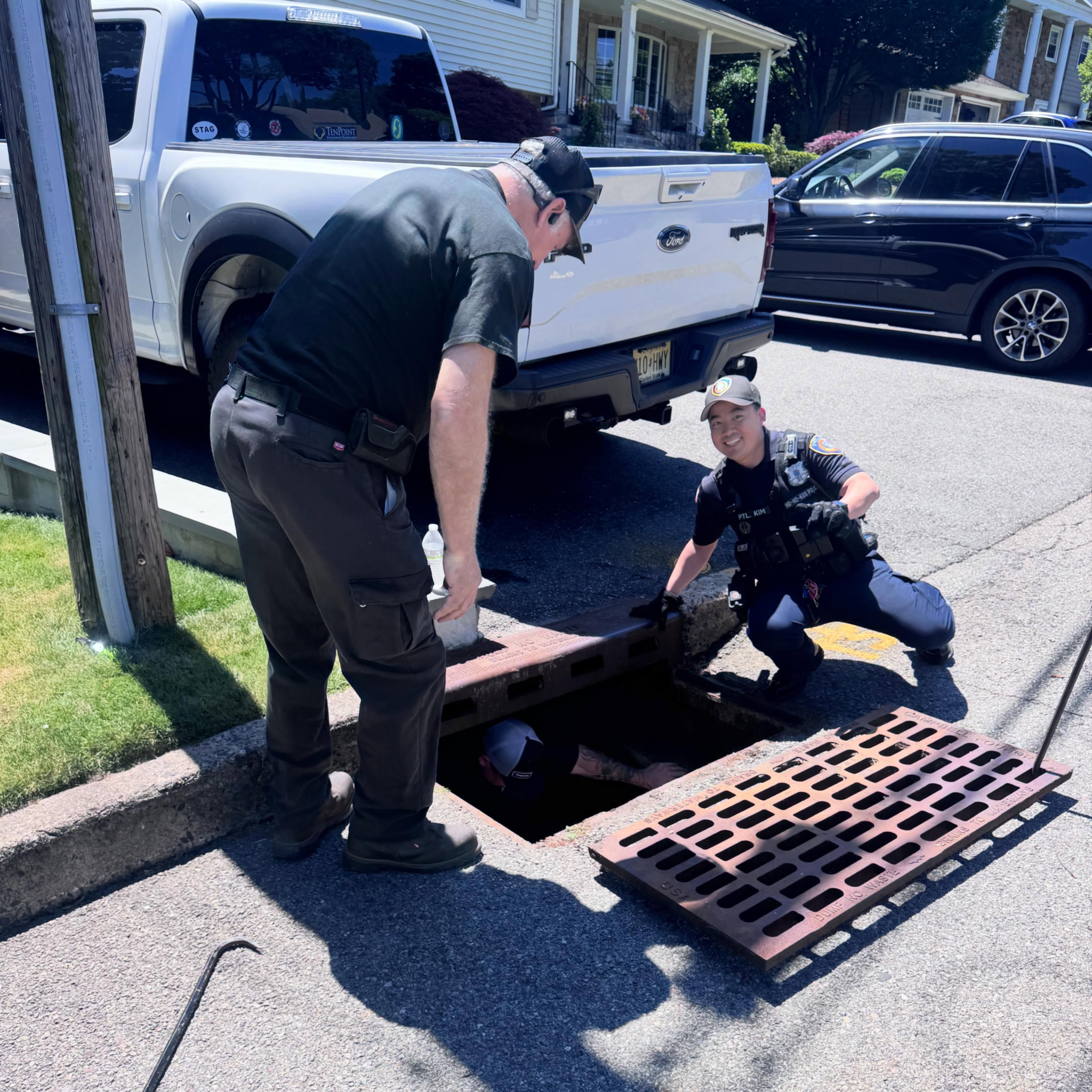
The Heartwarming Way Ho-Ho-Kus Heroes Saved a Trapped Duckling Family
the staff of the Ridgewood blog
Ho-Ho-Kus NJ, It started as a typical day in Bergen County, but for one feathered family, it quickly turned into an absolute emergency.
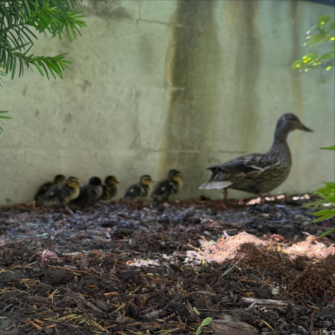
A group of vulnerable local ducklings found themselves separated from their mother, trapped deep inside a dark, cold storm drain. With no way to climb out on their own, the clock was ticking to reunite the fragile birds with their frantic mother.
Teamwork Makes the Rescue Dream Work
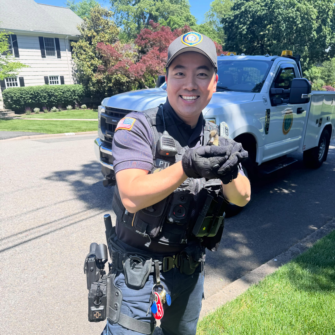
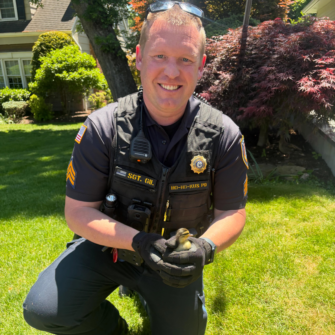
Responding swiftly to the scene, Ho-Ho-Kus Police officers joined forces with the Department of Public Works (DPW) to orchestrate a delicate extraction. Combining tactical patience with standard municipal equipment, the combined emergency crew carefully lifted the heavy grate and safely retrieved every single trapped duckling.
Thanks to this incredible display of local teamwork, the fluffy family was successfully reunited and happily sent back on their way!
Did You Know? Storm drain entrapment is one of the most common urban wildlife hazards for young waterfowl during the spring and summer months.
Spotlight on New Jersey Wildlife: The Ubiquitous Mallard Duck
While there are 29 diverse types of ducks found across New Jersey, the stars of this particular rescue were almost certainly Mallard ducks (Anas platyrhynchos), the state’s most iconic and widespread waterfowl species.
If you enjoy birdwatching or visiting local urban parks, here is what makes the Mallard so uniquely adaptable to the Garden State:
-
Ubiquitous Habitats: Mallards thrive just about anywhere there is water. You can readily spot them navigating New Jersey’s ponds, expansive lakes, quiet marshes, and rushing rivers.
-
Distinctive Appearances: They are incredibly easy to identify. The drakes (males) boast unmistakable, iridescent emerald-green heads and white neck collars, while the hens (females) feature beautifully camouflaged brown-speckled plumage designed to keep them safe while nesting.
-
Migratory Patterns: While many New Jersey Mallards reside locally year-round, they are highly migratory. This means populations fluctuate and often peak during specific seasonal flyway migrations.
-
Urban Coexistence: Because they are highly tolerant of human activity, they frequently populate neighborhood parks and nature reserves, offering fantastic, accessible wildlife observation opportunities for families and photography enthusiasts alike.
Next time you are walking around town, keep an eye out for our feathered neighbors—and keep the number of your local DPW or non-emergency police line handy just in case they need a helping hand!
Join the new Saddle River Valley, Ramapo and Pascack Valley Communities Facebook group
https://www.facebook.com/groups/1931704860512551/
#news #follow #media #trending #viral #newsupdate #currentaffairs #BergenCountyNews #NJBreakingNews #NJHeadlines #NJTopStories
#HoHoKus #NewJerseyWildlife #DuckRescue #Mallards #BergenCountyNews #CommunityHeroes #AnimalRescue #LocalNews






good job. last week it was a turtle saved
They need to be featured on a special segment of ‘animal planet’