
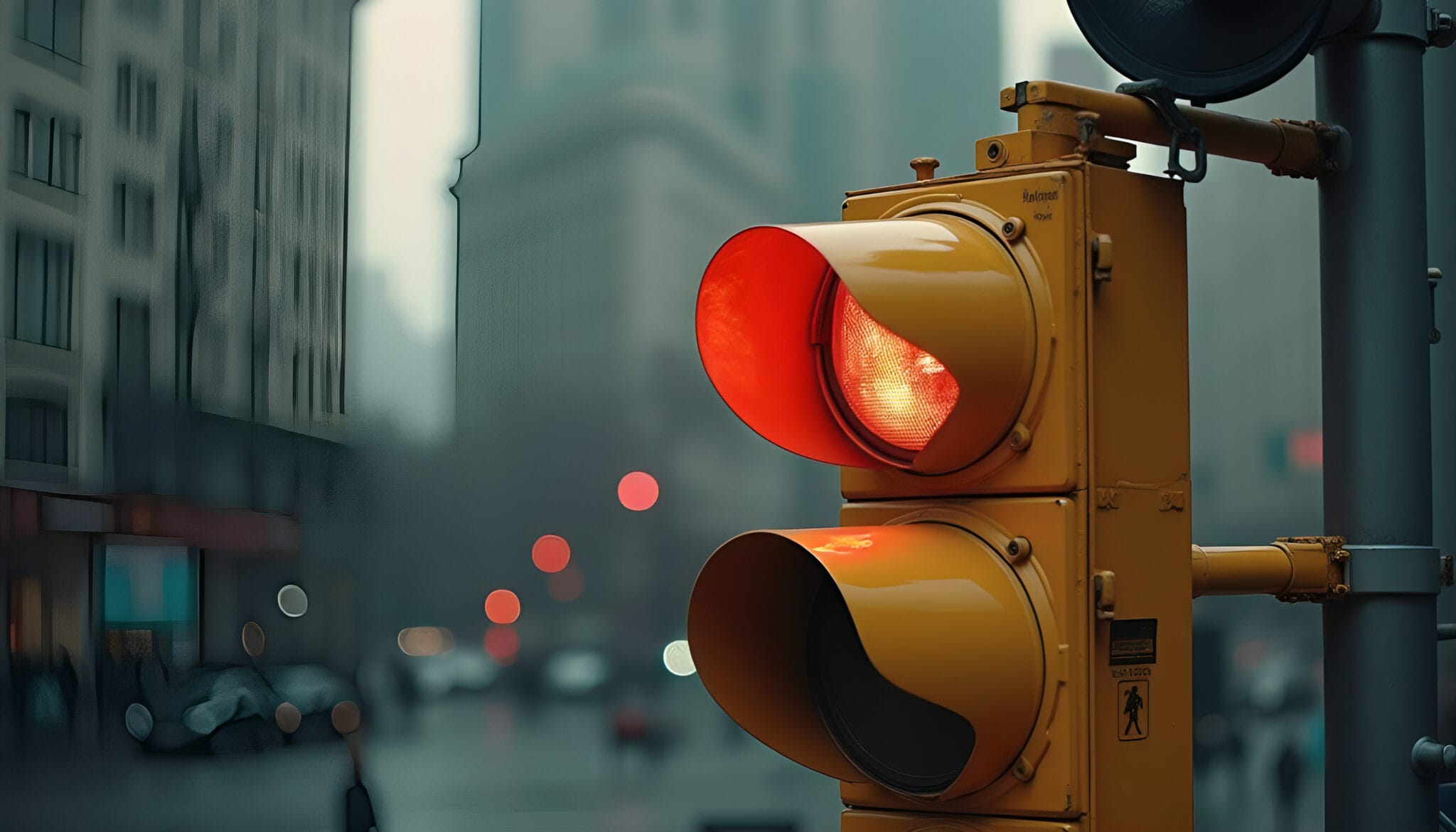
Source: vecteezy
Responsibility after a traffic signal collision is usually determined by examining which driver had the legal right of way, whether traffic laws were followed, and what actions contributed to the crash. While many people assume fault is always obvious, signal-related accidents can involve several factors that require careful investigation.
Evidence, witness statements, and traffic laws often play a key role in establishing liability. When talking about intersection crashes, red and yellow light accidents are frequently examined because they can create disputes about who entered the intersection legally and safely.
Traffic signal collisions are among the most common types of roadway accidents. Intersections bring together vehicles traveling in different directions, and even a momentary lapse in judgment can result in a serious crash. Determining responsibility is important because it affects insurance claims, compensation, and potential legal action.
The Importance of the Right of Way
Traffic signals are designed to control the flow of vehicles and reduce the risk of collisions. Drivers are expected to obey these signals and yield when required.
In many cases, responsibility comes down to whether a driver failed to respect the right of way. A driver who enters an intersection against a red light will often be considered at fault. However, every situation must be evaluated based on the available evidence and surrounding circumstances.
Why Traffic Signal Collisions Can Be Complicated
Not every intersection accident involves a clear violation. Sometimes drivers disagree about which light was green, yellow, or red at the time of impact. In other situations, multiple drivers may contribute to the collision.
Several factors can complicate fault determinations, including:
- Conflicting witness statements
- Poor weather conditions
- Obstructed views
- Distracted driving
- Excessive speed
- Malfunctioning traffic signals
Because of these variables, investigators often look beyond the initial statements provided by those involved.
Evidence Used to Determine Responsibility
Establishing responsibility requires a detailed review of the facts. Insurance companies, attorneys, and law enforcement officers typically rely on various forms of evidence to understand what happened.
Common sources of evidence include traffic camera footage, dashcam recordings, photographs of the accident scene, vehicle damage patterns, police reports, and witness accounts. In some cases, experts may reconstruct the collision to determine how and why it occurred.
The stronger the evidence, the easier it becomes to identify the actions that contributed to the crash.
The Role of Driver Behavior
Driver behavior is often one of the most important factors in determining fault. Even when a traffic signal is functioning properly, unsafe driving decisions can increase the likelihood of an accident.
For example, a driver who accelerates through a yellow light without enough time to clear the intersection safely may contribute to a collision. Similarly, a driver who is texting, distracted, or speeding may be found partially or fully responsible, depending on the circumstances.
Courts and insurance companies often consider whether a reasonable driver would have acted differently under the same conditions.
Shared Responsibility in Some Cases
Not all traffic signal collisions result in one party being entirely at fault. In some situations, multiple drivers may share responsibility for the accident.
For instance, one driver may enter the intersection late during a yellow light while another is speeding through a green light. If both actions contribute to the collision, fault may be divided between the parties.
Many states use comparative negligence rules, which allow responsibility to be allocated based on each party’s level of contribution to the accident.
Why Documentation Matters
After a traffic signal collision, proper documentation can make a significant difference. Information collected immediately after the crash may help clarify what happened and support future insurance or legal claims.
Helpful documentation may include:
- Photos of vehicle damage
- Pictures of traffic signals and road conditions
- Contact information for witnesses
- Police report details
- Medical records related to injuries
Accurate records can provide valuable evidence when questions about fault arise later.
The Impact of Fault Determination
Determining responsibility affects more than just insurance paperwork. It can influence compensation for medical expenses, lost wages, vehicle repairs, and other damages resulting from the collision.
Because traffic signal accidents often involve injuries and significant financial losses, a thorough investigation is essential. Understanding how responsibility is determined can help drivers navigate the claims process more effectively and protect their legal rights.
Key Takeaways
- Responsibility after a traffic signal collision depends on right-of-way rules, driver behavior, and available evidence.
- Traffic signal accidents are not always straightforward and may involve multiple contributing factors.
- Evidence such as traffic camera footage, witness statements, and police reports is often critical.
- Driver actions, including speeding and distracted driving, can affect fault determinations.
- Some collisions involve shared responsibility between multiple parties.
- Proper documentation can strengthen insurance and legal claims.
- Fault determinations can impact compensation for injuries, property damage, and other losses.






get a dashcam