
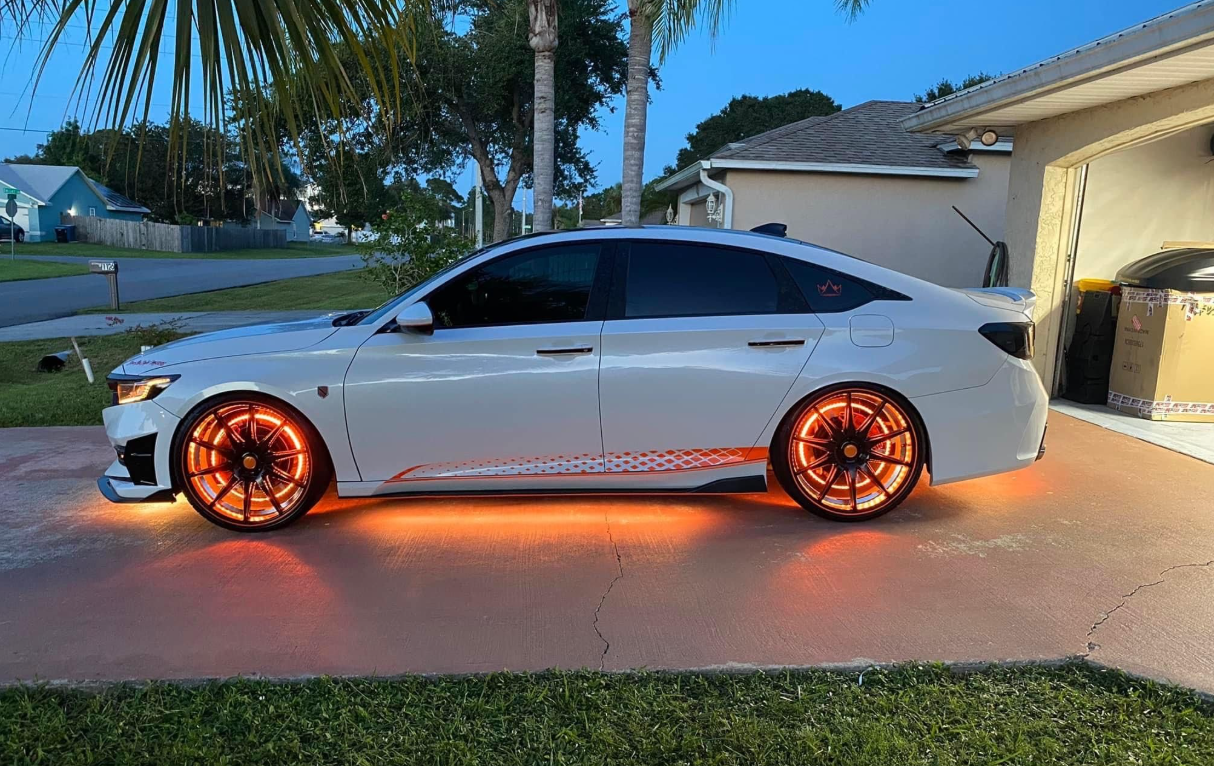
Customizing your vehicle is a thrilling way to express your personal style on the road. However, before you start adding new parts, it is crucial to understand the implications that go far beyond basic aesthetics. Modifying your vehicle requires careful research into legal, safety, and practical considerations to ensure your dream car does not become a nightmare on the street.
Understanding Legal and Regulatory Frameworks
Before purchasing any exterior parts, you must familiarize yourself with the specific state and local laws governing vehicle modifications in your area. Every region has its own set of rules detailing what is permissible on public roads. Ignorance of these laws can result in hefty fines, failed vehicle inspections, or even having your vehicle impounded.
Emissions and safety standards are another critical factor. While exterior modifications might seem unrelated to engine output, certain changes can affect the vehicle’s overall compliance. For example, altering the exhaust system for a more aggressive rear look or modifying bumpers can compromise the safety standards established by manufacturers. Your vehicle must still meet rigorous environmental and structural requirements after the upgrades are complete.
Furthermore, you must consider the insurance implications of your modifications. Most standard auto insurance policies only cover the vehicle in its original factory condition. If you alter the exterior significantly without notifying your insurance provider, you risk voiding your coverage. Always discuss your planned changes with your insurer to adjust your premium and ensure your new investments are fully protected in the event of an accident.
Impact on Vehicle Performance and Safety
Changing the exterior of your car directly influences its aerodynamics and handling. Vehicle manufacturers spend thousands of hours in wind tunnels ensuring their designs slice through the air efficiently while maintaining stability. Adding aftermarket components can disrupt this careful balance. A poorly designed front lip or a massive rear wing might increase drag, reduce fuel efficiency, or cause instability at high speeds.
Lighting modifications also pose substantial safety concerns. Upgrading to aftermarket headlights or taillights might improve the modern look of your vehicle, but you must ensure they provide adequate visibility. Lights that are too dim will hinder your ability to see the road, while excessively bright or improperly angled lights can blind oncoming traffic. Upgraded lighting must always comply with local brightness and color regulations to keep everyone safe on the road.
Wheel and tire changes are among the most popular exterior upgrades, yet they have a profound impact on vehicle dynamics. Installing larger wheels with lower-profile tires can enhance cornering grip, but it often results in a harsher ride quality. Additionally, improper wheel sizing can cause tires to rub against the fenders during tight turns or over bumps, potentially leading to sudden tire failure.
Aesthetic Modifications and Their Considerations
Body kits and spoilers dramatically alter the silhouette of your vehicle. When selecting these components, pay close attention to the materials used and the installation process. Polyurethane is highly durable and flexible, making it resistant to minor impacts, whereas fiberglass is more rigid and prone to cracking under stress. High-quality installation is essential, as poorly fitted body kits will have uneven gaps and can rattle loose while driving.
If you want to change the color of your vehicle, you generally have two options: a fresh paint job or a vinyl car wrap. Repainting is a permanent choice that provides a deep, glossy finish, but it is incredibly expensive and time-consuming. Wraps offer a cost-effective, temporary alternative that protects the original factory paint underneath. Both options require meticulous maintenance, such as regular hand washing and protective coatings, to prevent fading and peeling over time.
Window tinting is a fantastic way to enhance privacy, reduce interior heat, and add a sleek look to your vehicle. Nevertheless, you must adhere strictly to local laws regarding the visible light transmission percentage. Tinting your windows too dark is a major safety hazard, especially when driving at night or in inclement weather, and it is one of the most common reasons drivers get pulled over for compliance checks.
Cost-Benefit Analysis of Modifications
Upgrading your vehicle requires a significant initial investment, and it is important to weigh this against the long-term value of the car. High-quality parts and professional labor do not come cheap. While you might be excited about the immediate visual transformation, you should evaluate whether the financial outlay aligns with how long you plan to keep the vehicle.
It is a common misconception that modifications increase a vehicle’s resale value. In reality, heavily customized cars often appeal to a very narrow market segment. Many potential buyers prefer a stock vehicle because it represents a blank canvas without the hidden risks of previous tampering. Unless you are building a highly sought-after show car, expect a low return on investment when it comes time to sell or trade in your modified ride.
You must also budget for the ongoing maintenance and repair costs associated with modified parts. Custom wheels are more susceptible to pothole damage, and lowered suspensions wear out tires at a faster rate due to aggressive camber alignments. If a specialized body panel gets damaged in a fender bender, sourcing a replacement will be far more difficult and expensive than ordering a standard factory part.
Choosing Reputable Installers and Quality Parts
The success of your exterior transformation heavily relies on the importance of professional installation. While some bolt-on parts might seem suitable for a weekend project in your garage, complex modifications require specialized tools and extensive mechanical knowledge. Hiring seasoned professionals ensures that aerodynamic parts are securely fastened and that suspension components are properly aligned, mitigating the risk of dangerous failures on the highway.
Sourcing genuine or high-quality aftermarket parts is equally vital. The internet is flooded with cheap replica components that promise an aggressive look for a fraction of the cost. Unfortunately, these knock-off parts suffer from poor fitment, inferior materials, and a shorter lifespan. Investing in established aftermarket brands guarantees that the components were rigorously tested for safety, durability, and aerodynamic efficiency.
Finally, always inquire about warranties and guarantees before making a purchase. Quality parts manufacturers and reputable body shops will stand behind their products and labor. A solid warranty provides peace of mind, ensuring that if a paint job begins to peel prematurely or a spoiler develops a stress crack, you will not be held financially responsible for the necessary corrections.
Pre-Modification Checklist and Planning
Before spending any money, start by clearly defining your modification goals. Are you trying to build an aggressive track-focused machine, or are you aiming for a sleek, luxurious cruiser? Establishing a cohesive vision prevents you from purchasing mismatched parts that clash stylistically or functionally. A well-thought-out theme ensures the final product looks intentional and professionally designed.
Next, establish a strict budget and a realistic timeline. Modifications often lead to unexpected expenses, such as the need for custom fabrication or additional hardware. Set aside a contingency fund to cover these surprises. Understand that quality work takes time; rushing a body shop to paint and install a kit will inevitably result in a sloppy finish. Plan your build during a season when you will not rely heavily on the vehicle for daily commuting.
Finally, consult with experts and do thorough research before making your final decisions. Speak with mechanics, experienced builders, and professionals who specialize in your specific make and model. They can provide invaluable insights into which parts work best together and which brands to avoid. Thorough preparation is the ultimate key to achieving a flawless exterior transformation.
Conclusion
Exterior car modification is a highly rewarding endeavor that requires careful planning. You must always strike the right balance between showcasing your personal expression and adhering to strict safety standards. By approaching these exciting upgrades responsibly, you guarantee a beautiful, legally compliant vehicle that provides a remarkably positive and safe driving experience.





