
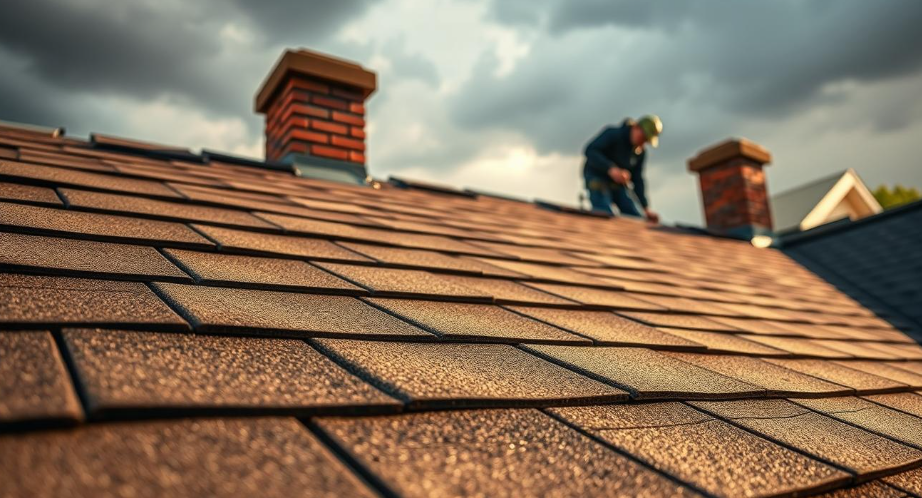
Most homeowners renovate the kitchen, update the bathroom, or paint the living room before they ever look up. The roof gets pushed to the back burner until something goes wrong. That’s backwards. Your roof is the only home improvement project that, when neglected, can silently damage every other improvement you’ve already made. Water doesn’t knock before it enters.
This isn’t about scaring you into spending money. It’s about helping you see the roof for what it actually is: the one upgrade where timing matters more than almost any other decision you’ll make as a homeowner. Get it right, and you protect your investment, your comfort, and your home’s value. Get it wrong, and you’re chasing water damage through drywall, insulation, and flooring for years.
Home Improvement Spending Is at an All-Time High. Where’s the Money Going?
Americans are spending more on their homes than ever before. According to the most recent American Housing Survey from the U.S. Census Bureau, homeowners spent about $827 billion on home improvement projects in the two-year period ending in 2023, an increase of more than $200 billion over the previous two-year period. That’s an enormous amount of money flowing into homes across the country.
But here’s what’s interesting about where that money goes. Kitchen remodels and bathroom renovations tend to grab the headlines because they feel transformative. You live inside those spaces every day. You see the new countertops. You enjoy the walk-in shower. The roof? It’s just up there, out of sight, doing its job. That invisibility is exactly what makes it dangerous. Homeowners tend to invest in what they can see, which means the projects protecting the structure itself get deferred until there’s a crisis. And roofing crises are expensive.
How Long Should You Actually Expect Your Roof to Last?
Most homes are covered with asphalt shingles. They’re practical, affordable, and widely available. But their lifespan is finite, and a surprising number of homeowners have no idea where their roof is on that timeline.
According to the National Association of Home Builders (NAHB), the average lifespan of an asphalt shingle roof is approximately 20 years nationally. That’s the average. In climates with heavy snow, hard rain, wide temperature swings, and seasonal hail, you could be looking at less. Premium architectural shingles can push that number toward 25 to 30 years under ideal conditions, but standard 3-tab shingles frequently fall short of even the 20-year mark when installation or ventilation isn’t up to standard.
Do you know when your roof was last replaced? A lot of homeowners don’t. If you bought a home without asking that question, pull out your inspection report and check. If the answer is “sometime in the early 2000s,” you’re either already overdue, or you’re very close. Waiting for an active leak to confirm it is one of the costlier decisions you can make. “The roof is the primary barrier between the home’s structure and the environment. Deferred maintenance at that level creates cascading costs that no other single upgrade can reverse.”- National Association of Home Builders, Study of Life Expectancy of Home Components
The Roof Readiness Scorecard: A Simple Way to Decide Now
Here’s an original framework called the Roof Readiness Scorecard. Score your roof honestly on five questions, giving one point for each “yes.” If you hit three or more, replacement deserves to move to the top of your list, not sit behind the deck renovation.
- Is your current roof more than 15 years old?
- Do you see shingles that are curling, cracking, or missing entirely?
- Are there granules collecting in your gutters after rain?
- Have you noticed any staining on interior ceilings or walls?
- Did your area experience a significant hail or windstorm event in the past two years?
Each of these is a real warning sign, not a sales tactic. Granule loss is especially telling because granules are the UV protection layer of your shingle. Once they go, the asphalt beneath degrades fast. You won’t see it happening from the ground, but it’s happening.
If you scored three or more and you’re in the Bluegrass region, getting a professional opinion quickly is smart. The cost of replacing Lexington roof sections before winter is always lower than the cost of dealing with what a compromised roof lets in when temperatures drop, and ice dams form along the eaves.
What a New Roof Actually Does for Your Home’s Value
Every homeowner wants to know the return on investment before they write a big check. Roof replacement gets a mixed reputation here because it doesn’t produce the immediate visual excitement of a renovated kitchen. But the financial case is stronger than most people expect.
Remodeling Magazine’s annual Cost vs. Value Report consistently ranks asphalt shingle roof replacement among the top exterior projects for resale return, year after year. Buyers notice a new roof, and they notice an old one even more. An aging roof showing obvious wear is one of the most common reasons buyers request price reductions after a home inspection. A new roof eliminates that negotiation.
Beyond resale, consider what a failing roof costs you in the meantime. Water that gets under flashing or through cracked shingles doesn’t stop at the ceiling. It moves into attic insulation, saturates wood framing, and eventually turns into a mold and rot problem. A $15,000 roof replacement sounds expensive right up until you’re also looking at $8,000 in drywall, insulation, and mold remediation. The math shifts quickly.
| Scenario | Typical Cost | Outcome
|
|---|---|---|
| Proactive roof replacement | $12,000 to $20,000 | Structural protection maintained; no interior damage |
| Roof replacement after active leak | $15,000 to $25,000+ | Replacement cost plus interior remediation expenses |
| Selling with an aging roof | Buyer credit demand of $10,000 to $20,000 | Lower net sale price; deal risk increases |
Proactive timing wins every single time. The only variable is how long you wait.
Choosing the Right Material for Your Region
Not every roof material performs equally in every climate. Kentucky homeowners deal with a specific set of challenges: hot, humid summers, ice and occasional snow in winter, and spring storm seasons that bring wind and hail. Asphalt architectural shingles remain the most popular choice for a reason. They’re engineered to flex with temperature changes, and they carry impact-resistance ratings that matter when hail rolls through in April.
Metal roofing is worth considering if you plan to stay in the home for decades. It’s a larger upfront investment, but its lifespan runs two to three times longer than asphalt. For homeowners who are five to ten years out from selling, asphalt architectural shingles typically offer the better balance of cost, performance, and buyer appeal.
Cedar and slate exist at the premium end of the spectrum. Both deliver exceptional longevity and curb appeal. Both also require contractors with specific installation expertise, which narrows your options and raises the cost. If your home’s architecture suits them, they’re worth a conversation. If not, don’t let an upsell push you in that direction.
Getting the Timing Right
Spring and fall are the ideal seasons for roof replacement in most parts of the country. Temperatures are mild, adhesives seal properly, and scheduling with quality contractors is easier than in the dead of winter or the peak of summer heat. That said, if your scorecard points to an urgent situation, don’t wait for the “right” season. A roof in visible distress going into winter is a problem that compounds every cold week you delay.
Request at least two or three inspections before committing to a contractor. A reputable company will assess your current roof honestly, explain what you actually need, and put it in writing. Free inspections are common in the industry, and there’s no reason to skip them. The information alone is worth the hour it takes. Your home is probably your largest financial asset. It makes sense to protect it from the top down.





