
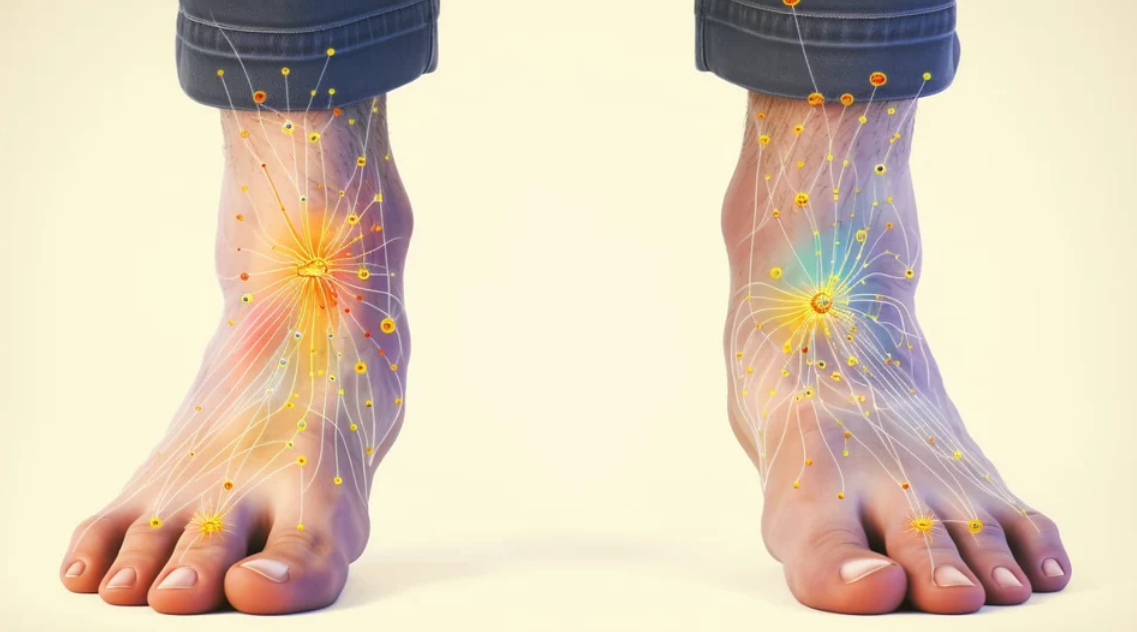
Nerve symptoms can begin quietly and seem easy to dismiss. A numb patch may pass, but repeated changes deserve attention. Neuropathy can affect sensation, muscle control, balance, and automatic functions. These five signs can show when a medical review deserves priority.
1. Numbness That Does Not Fade
Persistent numbness in feet or hands may signal nerve trouble. Neuropathy treatment in Baton Rouge may deserve discussion when numbness lasts, spreads, or returns without a clear cause. Some people describe a sock or glove sensation that remains. A clinician can check reflexes, sensation, history, and causes.
Reduced sensation can hide cuts, burns, pressure spots, or wounds. For people with diabetes, nerve damage may affect feet. Adults in Baton Rouge can check skin daily for sores or color changes. Medical review supports action before a small injury becomes harder to treat.
2. Sharp, Hot, or Electric Pain
Nerve pain may feel sharp, hot, electric, or similar to shocks. It can appear without an obvious injury and become stronger at night. Socks, sheets, or shoes may also feel unusually painful. These changes deserve an exam because several conditions can affect peripheral nerves.
Pain alone cannot confirm neuropathy or reveal its cause. Diabetes, vitamin deficiencies, nerve pressure, infections, injuries, and medicines may play a role. Residents in Baton Rouge should share when pain began, where it travels, and what worsens it.
3. Weak Muscles and Poor Grip
Nerve damage can affect motor nerves and muscles. Neuropathy treatment in Baton Rouge may help address symptoms after a clinician finds their source. Trouble with jars, buttons, stairs, or foot drops can point to reduced control. A prompt review matters when weakness affects tasks.
How Weakness Affects Daily Tasks
Weakness may appear as dropped objects, tired legs, or weaker hands. A person may notice cramps, muscle twitches, or a change in foot position. Sudden one-sided weakness, facial droop, or speech trouble requires emergency help.
4. Balance Trouble in Baton Rouge
Poor balance may develop when feet send unclear position signals to the brain. Muscle weakness and reduced sensation can add to the problem. People in Baton Rouge may notice trouble on stairs, uneven ground, or dim paths. Repeated stumbles or falls deserve medical attention.
Common clues include:
- Feet feel less stable during routine walks.
- Small trips occur without a clear obstacle.
- Darkness makes each step much less certain.
5. Skin Changes or Hidden Foot Injuries
Loss of sensation can make a wound easy to miss. Blisters, cracks, swelling, or sores need attention, especially with diabetes. Patients in Baton Rouge should avoid hot water or direct heat on numb skin. A clinician can assess the wound and check for infection.
Autonomic nerve problems may affect sweat, blood pressure, digestion, or bladder function. Dizziness after standing, sweat changes, or digestive trouble should be reported. A complete history helps identify a cause.
Frequently Asked Questions
1. When should numbness or tingling be checked by a clinician?
Medical review may be useful when numbness or tingling persists, spreads, returns often, or affects daily tasks. Prompt attention is important if symptoms occur with weakness, severe pain, balance trouble, or an unnoticed wound.
2. What tests may help identify peripheral neuropathy?
A clinician may review medical history, reflexes, muscle strength, sensation, balance, and current medicines. Blood tests, nerve conduction studies, or other exams may help identify nerve damage and its possible cause.
3. Can neuropathy symptoms improve with treatment?
Results depend on the cause, the extent of nerve damage, and how soon the condition receives attention. Treatment may help improve symptom control.
Numbness, pain, weakness, balance trouble, and hidden wounds deserve a careful response. People in Baton Rouge do not need to decide the diagnosis alone. A qualified clinician can review possible causes and explain useful tests. Timely attention may help improve symptom control and protect daily function.





